What if I told you the humble shoe cover has quietly revolutionized safety protocols across industries while most of us weren’t even looking?
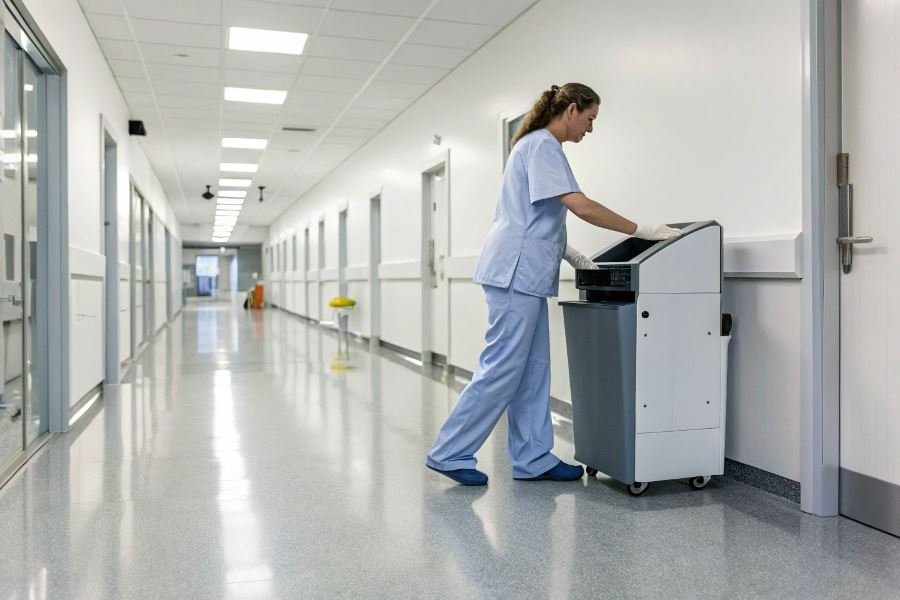
The journey of automatic shoe cover dispensers from clunky, manual contraptions to sleek, touch-free systems mirrors our broader technological evolution. Healthcare facilities first adopted rudimentary shoe covering systems in the 1970s, primarily to maintain sterile environments in operating rooms. Fast forward to today, and these machines have transformed into sophisticated devices featuring motion sensors, antimicrobial materials, and usage analytics.
Why does this matter? Because proper shoe covering isn’t just about keeping floors clean—it’s a critical defense against cross-contamination. A 2022 study published in the Journal of Hospital Infection found that shoe soles can carry up to 421,000 units of bacteria, including potentially harmful pathogens. Effective shoe covering systems reduce pathogen transfer by up to 98%, dramatically decreasing infection risks in sensitive environments.
The technology landscape is shifting rapidly
The market for shoe cover technology has experienced remarkable growth, with innovations focusing on three key areas:
- Sustainability – Biodegradable materials and reusable options are replacing traditional disposables
- Automation – Hands-free operation reduces touch points and improves compliance
- Integration – Modern systems connect with facility management software for usage tracking and maintenance alerts
What’s particularly fascinating is how these machines have migrated beyond hospitals into food processing facilities, clean manufacturing, and even high-end residential buildings. The global shoe cover dispenser market, valued at $45 million in 2020, is projected to reach $87 million by 2027—a testament to their expanding applications across industries.
The Technology Revolution in Shoe Cover Dispensers
The humble shoe cover machine has undergone a remarkable transformation. What was once a simple mechanical device now incorporates sophisticated technology that enhances efficiency, hygiene, and environmental responsibility. When evaluating innovative technologies in shoe cover machines for your facility, understanding the key advancements can help you make an investment that delivers genuine value rather than merely following trends.
Automatic Dispensing That Actually Works
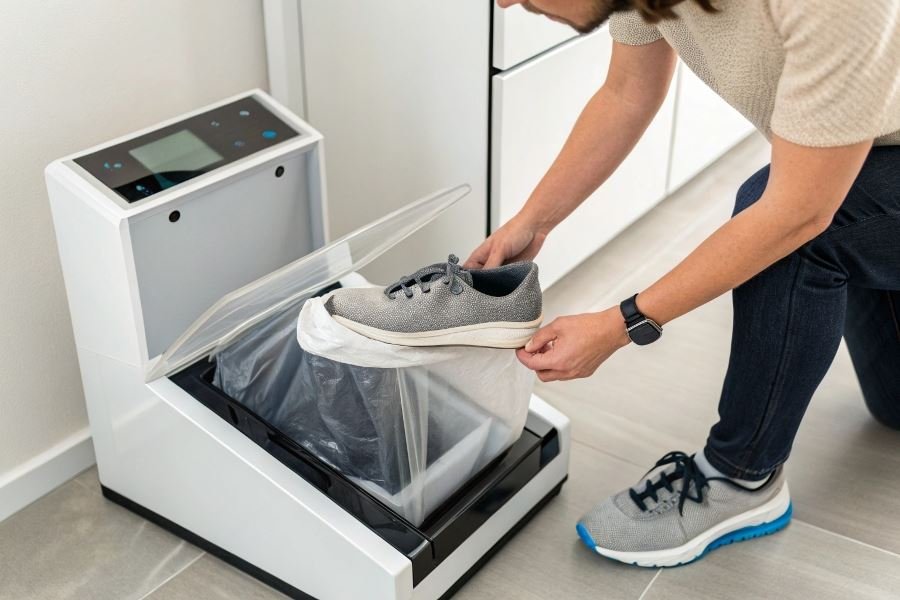
Modern automatic dispensing mechanisms represent the most visible advancement in shoe cover technology. The latest systems have abandoned the frustrating “jam-prone” designs of earlier generations in favor of precision engineering.
Dual-roller systems have emerged as the gold standard, using counter-rotating rollers that grip and apply covers with remarkable consistency. The Shoe Inn Hands-Free dispenser, for example, achieves a 99.7% successful application rate—virtually eliminating the wasted time and materials associated with failed applications.
The difference between basic and advanced dispensers becomes apparent within days of installation, particularly in high-traffic environments where even small efficiency gains multiply significantly.
| Dispenser Type | Application Time | Failure Rate | Daily Time Saved (100 uses) |
|---|---|---|---|
| Manual | 8-12 seconds | 5-10% | Baseline |
| Basic Auto | 4-6 seconds | 3-5% | 10-15 minutes |
| Premium Auto | 2-3 seconds | <1% | 15-20 minutes |
Smart Sensors That Actually Matter
The integration of smart sensors has transformed shoe cover machines from passive dispensers into active management tools. These systems don’t just dispense—they think.
Usage tracking capabilities now allow facilities to monitor consumption patterns with remarkable precision. The CleanPro Smart system, for instance, tracks hourly usage rates and sends automated alerts when supplies run low, eliminating the “empty dispenser” problem that plagues many facilities.
“The data from our smart dispensers revealed that we were using 40% more shoe covers on Mondays—information that helped us optimize our ordering schedule and reduce emergency supply runs by 87%.” – Operations Director at a major semiconductor facility
Motion detection systems have also evolved beyond simple presence detection. Advanced units now incorporate:
- Directional sensing that only activates when approaching (not leaving)
- Height differentiation to prevent accidental triggering
- Occupancy awareness that optimizes power consumption
Sustainability Features With Measurable Impact
Environmental considerations have moved from afterthought to central design principle in premium shoe cover machines. The focus on eco-friendly materials and sustainability features reflects both ethical priorities and practical business considerations.
Biodegradable materials have improved dramatically, with new compounds from EcoStep offering decomposition rates 300% faster than previous generations while maintaining identical durability during use.
Material efficiency innovations include:
- Micro-thickness technology that reduces material use by up to 30%
- Reinforced stress points that prevent tearing during application
- Optimized sizing algorithms that reduce waste from oversized covers
Energy efficiency has also become a competitive differentiator. The latest machines consume up to 75% less power than models from just five years ago, with standby modes that draw less electricity than a standard LED light bulb.
When selecting a shoe cover machine with innovative technology, prioritize features that solve your specific operational challenges rather than those that merely sound impressive. The best technology isn’t always the most complex—it’s the technology that most effectively addresses your particular needs while delivering measurable improvements in efficiency, hygiene, and sustainability.
Making Smart Choices in Shoe Cover Technology
The landscape of shoe cover machines has transformed dramatically in recent years, with innovations that boost efficiency, reduce waste, and streamline operations. When investing in this technology, decision-makers need to look beyond flashy features to evaluate what truly matters for long-term value.
Operational efficiency that drives results
Modern shoe cover dispensers have evolved from simple mechanical devices to sophisticated systems that can process up to 300 covers per hour. The latest models from industry leaders like CleanPro Technologies incorporate motion sensors that activate only when needed, reducing standby power consumption by up to 40%.
Throughput capacity matters more than you think. A machine that processes covers too slowly creates bottlenecks during shift changes or high-traffic periods. Look for systems with adjustable speed settings that can handle your peak demand periods without compromising quality.
The difference between a 5-second and 3-second dispensing cycle might seem negligible, but it translates to 40% more throughput capacity during critical operations.
Key performance metrics to evaluate:
| Performance Factor | Industry Standard | Premium Performance |
|---|---|---|
| Dispensing time | 4-6 seconds | 2-3 seconds |
| Daily capacity | 500-800 covers | 1,000+ covers |
| Error rate | 1-2% | <0.5% |
| Power efficiency | Standard | Energy Star certified |
Maintenance requirements and true ownership costs
The sticker price tells only part of the story. Advanced shoe cover machines from manufacturers like Shoe Inn may command premium prices but often deliver lower total cost of ownership through reduced maintenance needs and longer service intervals.
Consumable costs add up quickly. Some machines require proprietary shoe covers that cost 30-50% more than standard options. Others accommodate universal designs, significantly reducing ongoing expenses.
Maintenance intervals vary dramatically between models:
- Basic machines: Monthly filter changes, quarterly deep cleaning
- Mid-range systems: Quarterly maintenance checks
- Premium options: Semi-annual service requirements with self-diagnostic capabilities
Smart buyers look beyond the initial investment to calculate five-year ownership costs, including consumables, maintenance, and energy consumption.
Seamless integration with existing protocols
The most advanced technology fails if it doesn’t align with your facility’s requirements and compliance standards. Modern systems from BootieButler offer customizable settings to match specific industry protocols in healthcare, manufacturing, and food processing.
Compliance features worth investigating:
- Digital usage tracking for regulatory documentation
- Antimicrobial surface treatments
- Adjustable tension settings for different cover materials
- Integration with facility access control systems
For facilities with strict contamination protocols, machines with RFID compatibility can track usage by department or individual, creating accountability and ensuring proper procedure adherence.
The best systems adapt to your protocols rather than forcing you to adapt to them.
When evaluating compatibility, consider not just current needs but future requirements. Premium machines offer firmware updates that can adapt to evolving compliance standards without hardware replacement—a significant advantage as regulations continue to tighten across industries.
The right shoe cover technology balances immediate operational needs with long-term value, creating efficiencies that compound over time while maintaining the highest standards of cleanliness and compliance.
Discover cutting-edge shoe cover machine technologies for 2025 and learn key selection criteria for optimal hygiene, efficiency, and sustainability. Expert guide to automatic dispensing systems, smart sensors, and eco-friendly options for businesses.
Discover cutting-edge shoe cover machine technologies for 2025 and learn key selection criteria for optimal hygiene, efficiency, and sustainability. Expert guide to automatic dispensing systems, smart sensors, and eco-friendly options for businesses.