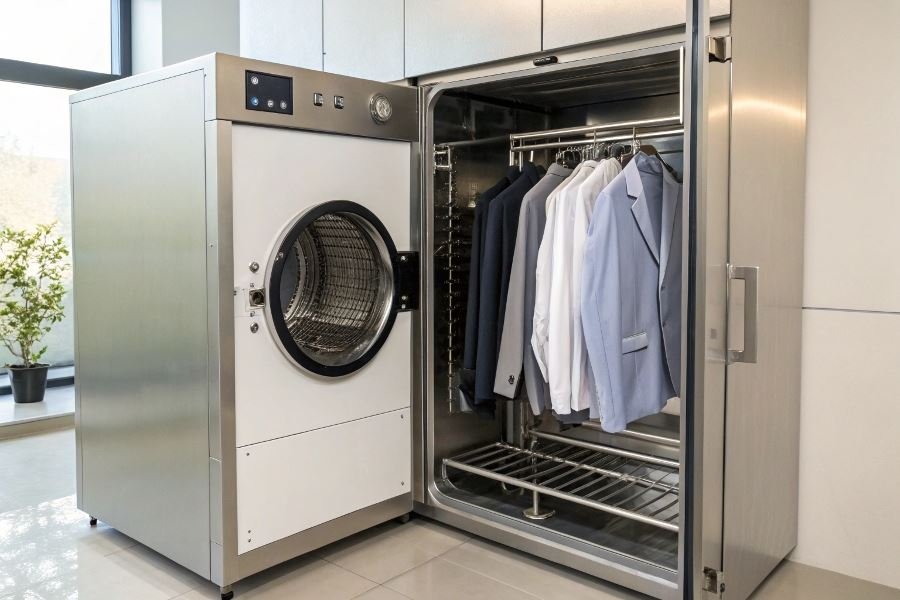
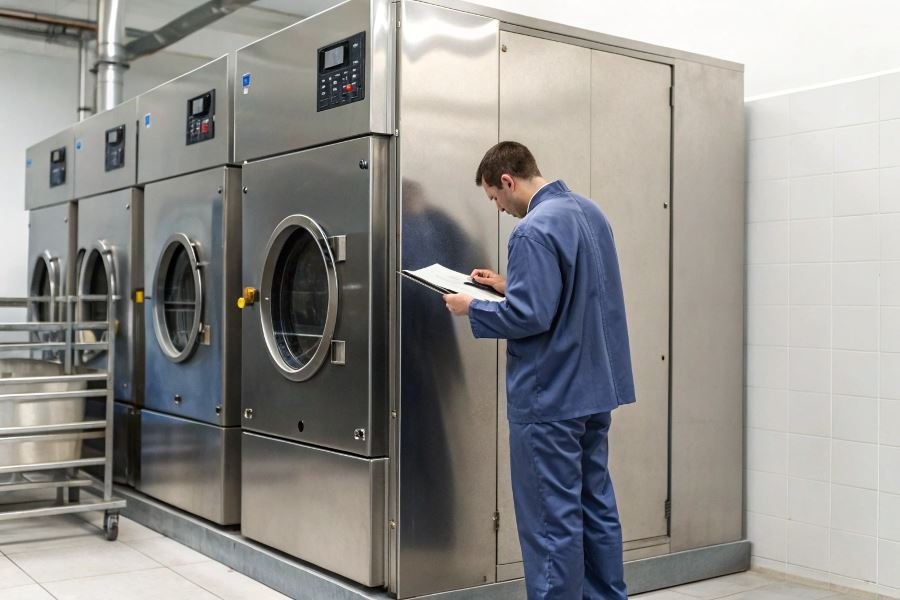
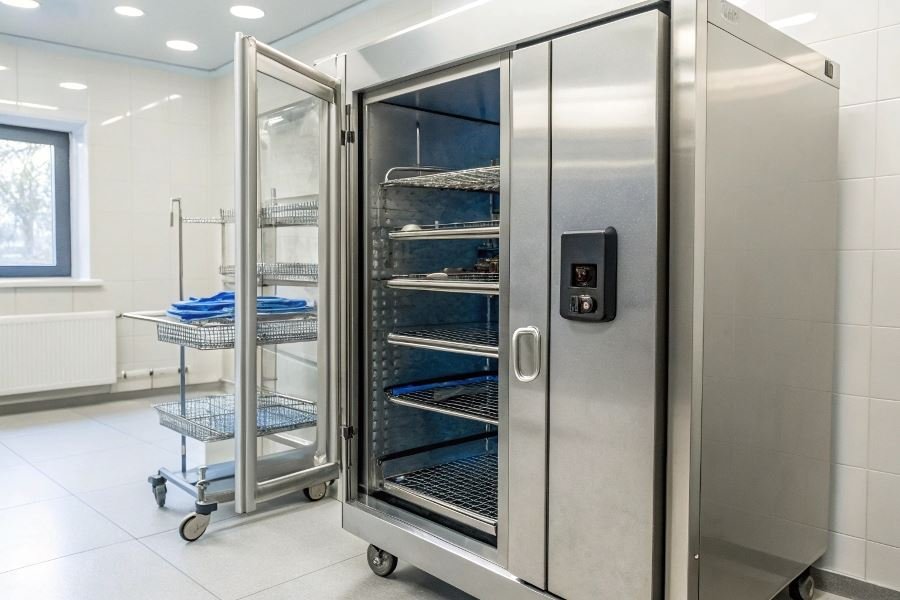
Remember when drying cabinets were just glorified hot boxes with a fan? Those days are long gone.
What started as simple appliances designed to dry clothes has transformed into sophisticated ecosystems of sensors, smart controls, and energy-efficient technologies. The humble drying cabinet has undergone a remarkable metamorphosis, emerging as an unexpected frontier for technological innovation in home appliances.
From basic to brilliant: A decade of transformation
The evolution has been nothing short of extraordinary. Ten years ago, most drying cabinets relied on basic heating elements and timers. Today’s models incorporate heat pump technology, moisture sensors, and even AI-driven drying algorithms that adapt to specific fabric types.
“The technological leap in drying cabinets mirrors what we saw with refrigerators in the early 2000s—from functional appliances to smart home centerpieces.”
This transformation hasn’t happened in a vacuum. Consumer demand for energy efficiency has skyrocketed, with buyers increasingly willing to pay premium prices for technologies that reduce their carbon footprint and utility bills. Manufacturers have responded with innovations that cut energy consumption by up to 60% compared to models from 2015.
Game-changing technologies reshaping the landscape
Three key advancements stand out in this revolution:
- Heat pump integration – Recirculating heated air rather than constantly generating new heat
- Smart moisture detection – Preventing over-drying and fabric damage
- IoT connectivity – Enabling remote monitoring and predictive maintenance
These innovations aren’t just impressive on paper—they’re delivering tangible benefits in homes and businesses across America, proving that sometimes, the most exciting technology revolutions happen in the most unexpected places.
The Technology Revolution Inside Drying Cabinets
The humble drying cabinet has undergone a remarkable transformation in recent years. What was once a simple box with heating elements has evolved into a sophisticated appliance featuring cutting-edge engineering that rivals the most advanced home technologies. Innovative technologies in modern drying cabinets have completely reimagined how we approach fabric care, offering unprecedented efficiency, precision, and performance that traditional drying methods simply cannot match.
Heat Pump Technology: Efficiency Meets Sustainability
Heat pump technology represents perhaps the most significant advancement in modern drying cabinets. Unlike conventional systems that generate heat and then discard it, heat pump drying cabinets operate on a closed-loop principle that recycles thermal energy.
How it works: The system extracts moisture from garments, condenses it, and then reuses the captured heat to continue the drying process. This recycling mechanism reduces energy consumption by up to 50% compared to traditional resistance heating methods.
The environmental benefits extend beyond energy savings:
- Lower operating temperatures (typically 50-60°C versus 80-90°C in conventional dryers)
- Reduced CO₂ emissions
- No external venting required
- Gentler fabric treatment, extending garment lifespan
Miele heat pump drying cabinets, for instance, have demonstrated energy efficiency ratings that exceed A+++ standards, consuming less than 0.5 kWh for a typical drying cycle.
Smart Sensors and IoT: The Precision Revolution
Modern drying cabinets now incorporate sophisticated sensor arrays that continuously monitor multiple parameters throughout the drying process.
These intelligent systems detect not just moisture levels but also fabric type, weight, and optimal drying conditions.
The integration of IoT capabilities has further transformed these appliances into smart home devices that offer unprecedented control and convenience:
| Feature | Benefit |
|---|---|
| Remote monitoring | Track drying progress from anywhere |
| Predictive maintenance | Alerts before potential issues arise |
| Usage analytics | Optimize energy consumption patterns |
| Voice control integration | Hands-free operation via smart assistants |
LG ThinQ technology exemplifies this trend, allowing users to start, stop, and monitor drying cycles remotely while receiving real-time notifications about cycle completion and maintenance needs.
Advanced Airflow Systems: Engineering the Perfect Breeze
The third pillar of innovation lies in the sophisticated airflow management systems that ensure even, efficient drying regardless of load size or composition.
Multi-directional airflow has replaced the simple bottom-to-top approach of earlier models. Today’s premium drying cabinets feature:
- Strategically positioned air inlets and outlets
- Variable-speed fans that adjust to different fabric requirements
- Pressure-optimized chambers that eliminate dead zones
- Airflow patterns designed to prevent wrinkles and maintain garment shape
Asko has pioneered Butterfly Drying™ technology, which creates a three-dimensional airflow pattern that mimics natural air movement, reducing drying time while preserving fabric integrity.
The impact on performance is substantial—modern airflow systems have reduced drying times by approximately 30% while simultaneously improving evenness and reducing energy consumption.
These three core technologies—heat pumps, smart sensors with IoT integration, and advanced airflow systems—have collectively transformed drying cabinets from simple appliances into sophisticated fabric care systems that deliver superior results with minimal environmental impact.
The Future of Drying Innovation Starts Now
Sustainable materials reshape the industry
The drying cabinet industry is undergoing a remarkable transformation with sustainability at its core. Manufacturers are increasingly adopting recycled polymers and bioplastics that reduce carbon footprints by up to 70% compared to traditional materials. Bamboo components are making their way into premium models, offering both durability and renewable sourcing. Companies like Electrolux have pioneered cabinets using post-consumer recycled plastics for non-critical components, while maintaining performance standards.
The manufacturing process itself is evolving with energy-efficient facilities powered by renewable sources. Water-based adhesives and VOC-free paints have replaced toxic alternatives, creating healthier products from start to finish. This shift isn’t just environmentally sound—it’s responding to market demand as consumers increasingly prioritize sustainability in purchasing decisions.
Smart home integration reaches new heights
Drying cabinets are no longer standalone appliances but integral parts of connected homes. The latest models feature seamless integration with platforms like Google Home, Amazon Alexa, and Apple HomeKit, allowing voice-activated operation and remote monitoring.
The true innovation lies in predictive algorithms that learn from usage patterns. Modern drying cabinets can now:
- Adjust drying cycles based on weather forecasts
- Coordinate with washing machines to prepare for incoming loads
- Schedule operation during off-peak electricity hours
- Send maintenance alerts before problems occur
This connectivity extends to mobile applications providing real-time energy consumption metrics and garment-specific care recommendations. Some premium models from Miele and LG even incorporate RFID technology to identify fabric types automatically, eliminating guesswork and preventing damage to delicate items.
The economics of advanced drying technology
Investing in technologically advanced drying cabinets presents a compelling financial case despite higher initial costs. Let’s examine the numbers:
| Feature | Additional Cost | Annual Savings | Payback Period |
|---|---|---|---|
| Heat pump technology | $300-500 | $120-180 | 2.8-3.3 years |
| Smart controls | $150-250 | $50-90 | 2.7-3.0 years |
| Moisture sensors | $100-200 | $40-70 | 2.5-2.9 years |
| Energy Star certification | $200-350 | $80-130 | 2.5-2.7 years |
Beyond direct energy savings, advanced cabinets extend garment lifespan by up to 30% through gentler drying processes. For households spending an average of $1,800 annually on clothing, this translates to potential savings of $540 per year.
The market is responding with flexible financing options making premium models more accessible. Many manufacturers now offer extended warranties specifically for electronic components, addressing consumer concerns about investing in complex technology.
“The most expensive drying cabinet is the one that damages your clothes and wastes energy. The true value proposition isn’t in the purchase price—it’s in the total cost of ownership.”
For commercial applications like boutique hotels and high-end laundry services, ROI calculations become even more favorable, with payback periods often under two years due to higher usage rates and energy savings at scale. As production volumes increase and technologies mature, we can expect acquisition costs to decrease while efficiency continues to improve, making the economic argument for advanced drying cabinets increasingly compelling.
Discover the latest heat pump technology, smart sensors, and IoT innovations revolutionizing modern drying cabinets. Learn how these energy-efficient solutions are transforming home care while reducing environmental impact and utility costs.
Discover the latest heat pump technology, smart sensors, and IoT innovations revolutionizing modern drying cabinets. Learn how these energy-efficient solutions are transforming home care while reducing environmental impact and utility costs.