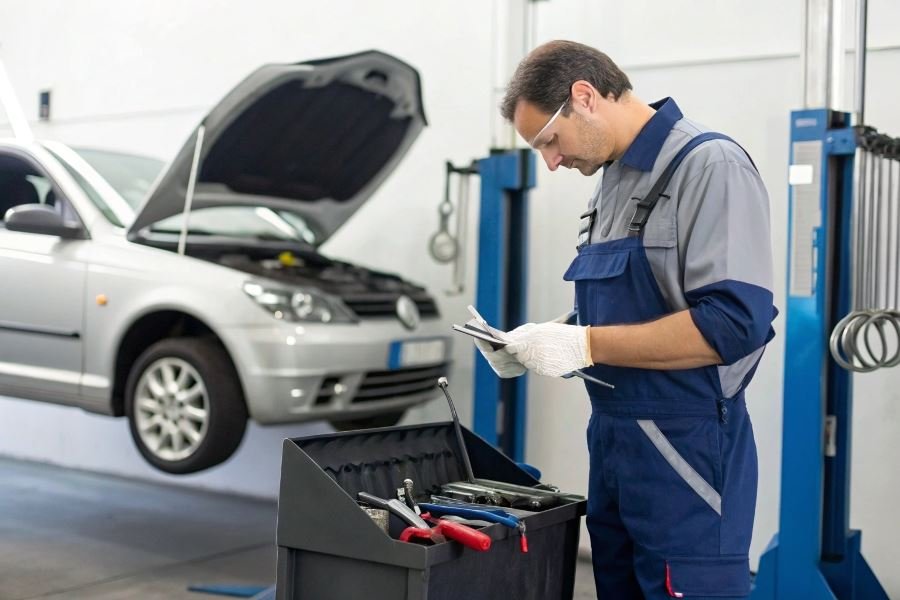
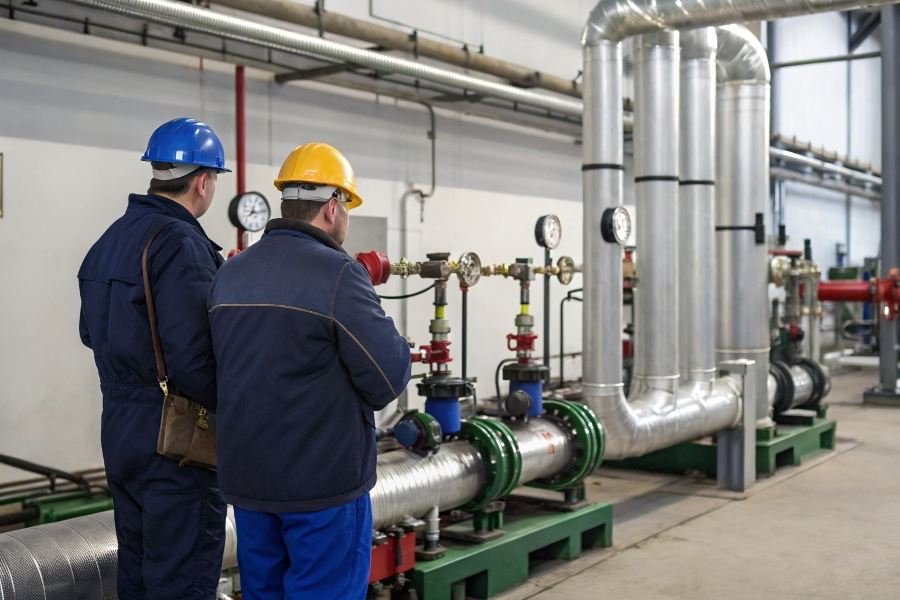
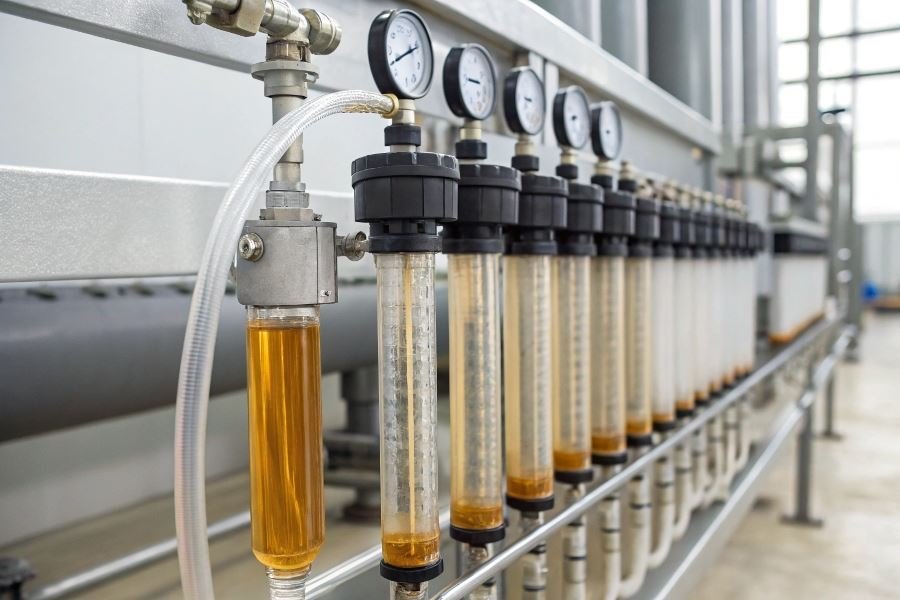
Ever wondered what happens to the oil that keeps your car’s engine purring or industrial machinery running smoothly? Behind every well-functioning mechanical system lies an unsung hero: the oil collection system.
Oil collection systems are specialized mechanical arrangements designed to gather, filter, and recirculate lubricating oils in engines and industrial machinery. These systems serve as the circulatory system of mechanical operations, ensuring that valuable lubricants are captured, cleaned, and reused rather than wasted. Without effective collection, even the most sophisticated machinery would quickly grind to a halt.
The journey of oil collection technology is fascinating. Early systems from the industrial revolution were rudimentary catch basins and manual collection methods. By the 1950s, engineers had developed pressurized systems with dedicated pumps and filters. Today’s advanced systems incorporate sensors, automated filtration, and even AI-driven predictive maintenance capabilities that can detect microscopic metal particles indicating potential equipment failure.
When evaluating different oil collection systems, three factors reign supreme:
- Efficiency rate – How effectively does the system capture oil without waste?
- Environmental impact – Does the system prevent contamination and reduce disposal needs?
- Maintenance requirements – What’s the long-term cost of keeping the system operational?
The right oil collection system doesn’t just save money—it extends equipment life, reduces downtime, and protects our environment from harmful contamination. As machinery becomes more sophisticated, so too must the systems that keep them running smoothly.
Three Primary Oil Collection Systems That Actually Work
When disaster strikes on water, the right oil collection system makes all the difference between environmental catastrophe and successful containment. The oil industry has developed sophisticated approaches to address spills, each with distinct operational profiles. Understanding the types of oil collection systems: advantages and disadvantages helps response teams deploy the most effective solution based on specific spill conditions.
Mechanical Recovery Systems: The Physical Approach
Mechanical recovery represents the most straightforward approach to oil collection, using physical barriers and skimmers to contain and remove oil from water surfaces.
Advantages that matter:
- Minimal environmental impact – These systems physically remove oil without introducing additional substances
- Reusable equipment – Most components can be cleaned and redeployed multiple times
- High recovery quality – Oil collected is often suitable for refining and reuse
Mechanical systems shine in controlled environments with calm waters. The U.S. Coast Guard reports recovery rates of up to 95% efficiency in ideal conditions with modern drum skimmers.
“Mechanical recovery remains the gold standard for environmentally sensitive areas where introducing chemicals or burning isn’t viable.”
Key limitations to consider:
- Weather dependency makes these systems nearly useless in high seas or strong winds
- Deployment requires significant logistics and time (typically 4-8 hours for full setup)
- Maintenance costs average 75, 000−150,000 annually for comprehensive systems
Chemical Dispersant Systems: The Solution Approach
Chemical dispersants break oil into tiny droplets that disperse throughout the water column, accelerating natural biodegradation processes.
Strategic advantages:
- Rapid deployment – Aircraft can treat large areas within hours of a spill
- Rough water effectiveness – Functions in sea states where mechanical recovery fails
- Massive coverage – A single aircraft can treat up to 3,000 gallons of dispersant daily
Chemical approaches proved particularly valuable during the Deepwater Horizon disaster in 2010, when approximately 1.8 million gallons of dispersants were applied.
Significant drawbacks:
- Ecological concerns – Dispersed oil may affect marine organisms throughout the water column
- Chemical persistence – Some dispersant components remain detectable for months
- Variable effectiveness – Performance drops dramatically with weathered or heavy oils
| Dispersant Type | Effectiveness Window | Environmental Persistence | Cost per Gallon |
|---|---|---|---|
| Type I (Hydrocarbon-based) | 12-24 hours | 2-3 weeks | $30-45 |
| Type II (Water-dilutable) | 24-48 hours | 1-2 weeks | $50-65 |
| Type III (Concentrate) | 6-12 hours | 3-4 weeks | $85-110 |
In-Situ Burning Systems: The Thermal Solution
In-situ burning involves controlled combustion of oil directly on the water surface, converting liquid petroleum into its gaseous components.
Compelling advantages:
- Extraordinary removal rates – Up to 98% of encountered oil can be eliminated
- Minimal equipment requirements – Often requires only fire-resistant booms and igniters
- Cost-effectiveness – Typically 60-75% less expensive than full mechanical recovery
Critical considerations:
- Air quality impacts – Creates visible smoke plumes containing particulate matter
- Safety protocols – Requires extensive safety zones and specialized training
- Narrow operational window – Oil must be fresh and at least 2-3mm thick for effective ignition
The technique gained prominence after successful implementation during the 1989 Exxon Valdez spill, where controlled burns effectively removed approximately 113,400 gallons of oil from Prince William Sound.
Each system has its place in comprehensive spill response planning, with the most effective strategies often combining multiple approaches based on specific spill characteristics, environmental conditions, and response objectives.
Making the Right Choice: Oil Collection Systems Compared
The definitive system showdown
When comparing centralized, modular, and portable oil collection systems, the differences extend far beyond mere configuration. Centralized systems excel in high-volume environments where consistency is paramount, offering economies of scale that reduce per-unit collection costs by up to 40% compared to portable alternatives. However, they demand substantial initial investment—typically 75, 000−250,000 depending on capacity—and create single points of failure that can halt entire operations.
Modular systems strike the balance between scalability and resilience. With their distributed architecture, these systems can maintain 70-85% operational capacity even when individual units fail. The flexibility to add or remove collection nodes makes them particularly valuable for businesses experiencing seasonal fluctuations or planned expansion.
Portable systems, while limited in throughput (usually 15-40% less efficient than centralized options), offer unmatched deployment flexibility and minimal installation requirements. Their lower entry cost—starting around $8,000 for basic units—makes them accessible for smaller operations or temporary collection needs.
| System Type | Initial Investment | Operational Efficiency | Scalability | Failure Resilience |
|---|---|---|---|---|
| Centralized | 75K−250K | 90-95% | Limited | Low |
| Modular | 40K−120K | 80-90% | High | Medium-High |
| Portable | 8K−30K | 60-75% | Modular | High |
Matching systems to scenarios
The decision framework for selecting an oil collection system hinges on five critical factors: volume requirements, spatial constraints, budget limitations, growth projections, and operational flexibility needs.
For established manufacturing facilities processing over 1,000 gallons daily with stable production schedules, centralized systems deliver the consistency and efficiency that justify their higher implementation costs. The return on investment typically materializes within 3-5 years through reduced labor costs and higher recovery rates.
Medium-sized operations with variable production cycles benefit most from modular approaches. These systems can be configured to match current needs while preserving expansion pathways. The ability to redirect collection resources during maintenance periods minimizes downtime—a crucial advantage for operations where continuous availability matters.
Startups, mobile service providers, and businesses with distributed collection points find portable systems ideal despite their efficiency limitations. Their plug-and-play functionality eliminates complex installation requirements, and their mobility allows deployment exactly where and when needed.
Tomorrow’s collection innovations
The oil collection landscape is evolving beyond traditional system boundaries. Hybrid approaches combining centralized processing with modular collection networks are gaining traction, offering the efficiency of centralized systems with the resilience of distributed architectures.
Smart collection systems from companies like Eaton and Parker Hannifin now incorporate IoT sensors that monitor oil quality in real-time, optimizing collection schedules and reducing unnecessary processing. These systems can predict maintenance needs before failures occur, dramatically reducing downtime.
Emerging filtration technologies are enabling on-site processing capabilities that were previously only possible in dedicated facilities. This convergence of collection and initial processing blurs traditional system boundaries, creating new possibilities for resource recovery and operational efficiency.
The most promising development may be the integration of AI-driven predictive analytics, which optimizes collection timing based on actual usage patterns rather than fixed schedules. These systems can improve collection efficiency by 15-25% while reducing labor costs through route optimization and just-in-time servicing.
Explore mechanical recovery, chemical dispersant, and in-situ burning oil collection systems with their pros and cons. Learn how to select the optimal method based on conditions, environmental impact, and efficiency factors.
Explore mechanical recovery, chemical dispersant, and in-situ burning oil collection systems with their pros and cons. Learn how to select the optimal method based on conditions, environmental impact, and efficiency factors.