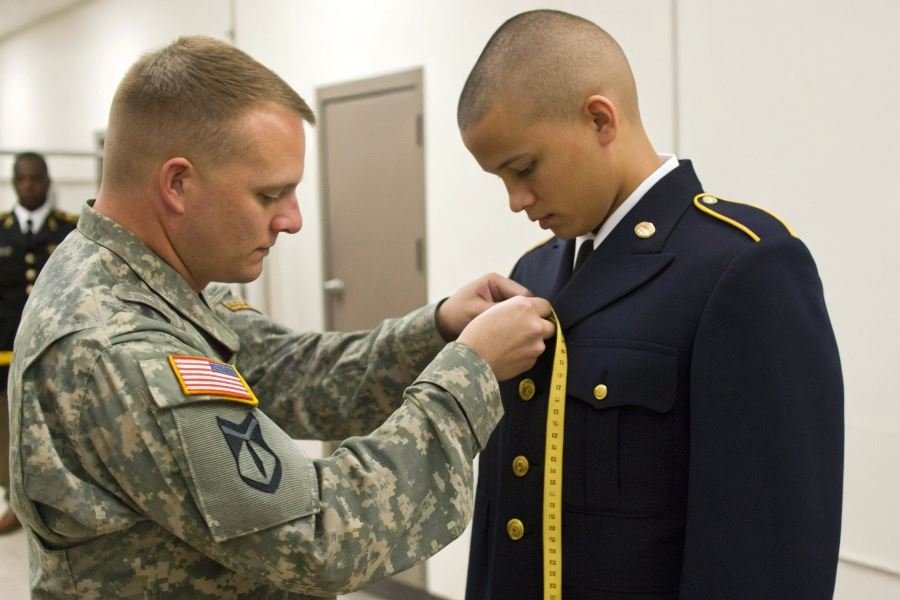
Ever noticed how a well-fitted jacket transforms not just appearance but confidence? It’s that magical moment when shoulders align perfectly, sleeves end exactly where they should, and the silhouette complements rather than compromises your frame.
Finding your ideal jacket size isn’t just about comfort—it’s about presenting your best self. When a jacket fits properly, it enhances your natural proportions, allows comfortable movement, and significantly extends the garment’s lifespan. The difference between “off-the-rack” and “made-for-you” often comes down to understanding a few key measurements and sizing principles.
Navigating the global sizing maze can feel overwhelming. American brands typically use numerical sizes (38, 40, 42) representing chest measurements in inches. European sizing follows a similar numerical system but runs approximately 10 units higher (a US 40 equals an EU 50). Meanwhile, UK sizing closely mirrors US standards with occasional variations. International designations like S, M, L offer convenience but sacrifice precision—a “Medium” can vary dramatically between manufacturers.
The foundation of perfect jacket fit rests on three critical measurement points:
- Chest circumference – measured at the fullest part of your chest
- Shoulder width – from shoulder point to shoulder point across your back
- Sleeve length – from shoulder seam to where you want cuffs to end
“The right jacket doesn’t just fit your body—it fits your life. Taking proper measurements is investing in both comfort and style.”
Understanding these fundamentals transforms jacket shopping from frustrating guesswork into confident decision-making. With these measurement basics mastered, you’re ready to find jackets that look and feel custom-made, regardless of price point.
Essential Measurement Techniques for Perfect Jacket Fit
Finding a jacket that fits like it was custom-made starts with understanding your unique measurements. The difference between a jacket that transforms your appearance and one that undermines it often comes down to just a few centimeters. Let’s dive into the precision techniques that ensure you’ll never waste money on ill-fitting outerwear again.
When approaching how to choose the size of a jacket, a complete guide to measurements becomes your most valuable tool for navigating the often confusing world of sizing variations between brands. The right measurements eliminate guesswork and dramatically increase your chances of finding that perfect fit on the first try.
Mastering Your Core Measurements
Chest measurement forms the foundation of jacket sizing. Stand naturally with arms relaxed at your sides and wrap the measuring tape around the fullest part of your chest, keeping it parallel to the floor. Breathe normally—don’t inflate or deflate your chest. This single measurement often determines your base size in most brands.
Shoulder width is frequently overlooked but critically important. Measure from the outer edge of one shoulder to the other, following the natural curve across your upper back. The jacket’s shoulder seams should align precisely with your anatomical shoulder ends—no drooping or pinching.
Sleeve length requires a partner for accuracy. With your arm slightly bent (about 30 degrees), measure from the shoulder seam to just past your wrist bone. Remember:
The perfect sleeve length reveals approximately ¼ to ½ inch of shirt cuff when your arms hang naturally at your sides.
Torso length determines how the jacket drapes. Measure from the base of your collar to where you want the jacket to end. For classic blazers, this typically falls at mid-seat, while bomber jackets sit at the waist.
Accounting for Real-World Wear
Your measurements are just the starting point. Consider these practical adjustments:
- Winter layering requires adding approximately 1-1.5 inches to chest measurements
- Activity level influences comfort needs—add ½ inch for active lifestyles
- Material flexibility affects fit—structured wool requires more precise measurements than stretch fabrics
Personal comfort preferences matter tremendously. Some prefer a closer European fit, while others appreciate the roomier American cut. Neither is inherently superior—your comfort dictates the right choice.
Navigating Manufacturer Size Charts
Size charts aren’t standardized across brands, making them both essential and potentially confusing. Here’s how to use them effectively:
| Measurement | Priority Level | Compromise Potential |
|---|---|---|
| Chest | Critical | Minimal |
| Shoulders | High | None |
| Sleeves | Medium | Can be altered |
| Torso | Medium-Low | Style dependent |
When measurements fall between sizes, prioritize shoulder fit first, as this is nearly impossible to alter. Chest measurement comes second, with sleeves being the most alteration-friendly area.
Pro tip: Many premium brands like Brooks Brothers offer multiple fits within the same numerical size. Always check if “slim,” “regular,” or “relaxed” options exist before sizing up or down.
By mastering these measurement techniques, you transform the often frustrating jacket shopping experience into a precise science that consistently delivers exceptional results.
Solving the Jacket Fit Puzzle
When brands play by different rules
Finding your perfect jacket size can feel like navigating a maze where every brand moves the walls. Brooks Brothers might label you a 42 Regular while Zara considers you a Large or even XL. This isn’t random—it’s strategic. European brands typically run slimmer than American counterparts, and luxury labels often employ “vanity sizing” to make customers feel better about their measurements.
The solution? Always check the brand’s specific size chart before purchasing. Many retailers now provide detailed measurements for each size, including chest width, shoulder width, and sleeve length. Some forward-thinking companies like Bonobos and Suit Supply have embraced this transparency with interactive sizing tools.
The best jacket shoppers maintain a small notebook (digital or physical) with their key measurements and notes about how different brands fit their body.
Heritage brands like Barbour and Carhartt tend to maintain consistent sizing across seasons, while fast-fashion retailers may adjust their measurements frequently to follow trends.
The tailor is your secret weapon
Not every jacket will fit perfectly off the rack—and that’s perfectly normal. Consider these scenarios where tailoring makes sense:
- The shoulders fit but sleeves need adjustment – This is the ideal tailoring candidate
- Perfect body fit but sleeve length issues – An easy, affordable fix
- Excellent quality jacket at a great price with minor fit issues – The investment in tailoring often pays off
What’s rarely worth tailoring? Jackets where the shoulders don’t fit properly. This alteration is complex, expensive, and rarely delivers satisfactory results.
A basic sleeve shortening typically costs $20-45, while taking in the sides might run $30-60. These modest investments can transform an “almost right” jacket into your wardrobe MVP.
Three commandments for lasting fit
1. Mind your washing and drying methods
Nothing ruins a perfectly fitted jacket faster than improper care. Leather jackets should never see the inside of a washing machine, while many wool blends require dry cleaning only. Even machine-washable jackets should typically be air-dried to prevent shrinkage.
2. Account for layering needs
Your perfect summer blazer fit might feel constrictive when worn over a sweater in winter. When purchasing jackets intended for cold weather, try them on with the layers you’ll actually wear underneath.
| Season | Recommended Fit Allowance |
|---|---|
| Summer | Standard measurements |
| Fall | +0.5″ in chest and arms |
| Winter | +1-1.5″ in chest and arms |
3. Anticipate body changes
Our bodies naturally fluctuate throughout life. Quality jackets often last 5-10 years or longer, so consider potential changes when investing in premium pieces. Jackets with natural shoulders and a slightly relaxed fit tend to accommodate minor body changes better than ultra-slim cuts.
For investment pieces, look for jackets with at least 0.5-1″ of extra fabric in the seams—this gives tailors room to make adjustments as needed over the years.
The perfect jacket fit isn’t just about today’s comfort—it’s about creating a relationship with a garment that will serve you well for years to come.
Discover how to find your perfect jacket size with our comprehensive measurement guide. Learn essential techniques for chest, shoulders, and sleeves, navigate sizing systems, and solve common fit issues for maximum comfort and style.
Discover how to find your perfect jacket size with our comprehensive measurement guide. Learn essential techniques for chest, shoulders, and sleeves, navigate sizing systems, and solve common fit issues for maximum comfort and style.