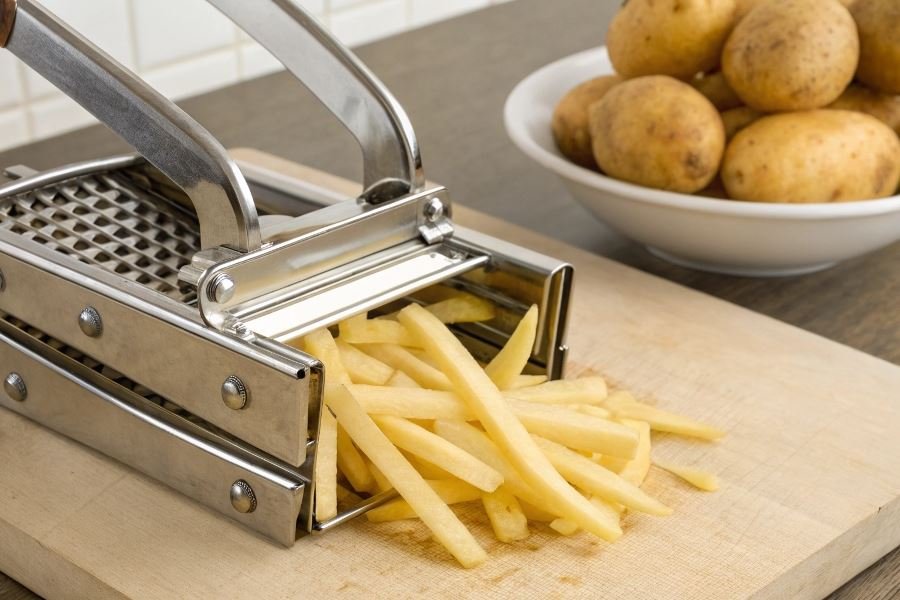
Ever wondered why some home fries come out picture-perfect while others look like they were cut by a blindfolded toddler? The secret lies not in the potato—but in the tool that transforms it.
The potato slicer market has undergone remarkable evolution, with options ranging from $15 basic models to professional-grade equipment exceeding $200. This diversity reflects a fundamental truth: different culinary ambitions demand different tools. Whether you’re crafting homestyle fries, preparing scalloped potatoes for a dinner party, or running a small restaurant, your slicer’s performance directly impacts both your efficiency and the quality of your final dish.
The performance-experience connection
When we talk about potato slicer performance, we’re really discussing the difference between culinary frustration and satisfaction. A high-performing slicer transforms the mundane task of potato preparation into a seamless experience—consistent cuts, minimal effort, and reliable results time after time. The wrong choice, however, leads to uneven cooking, wasted ingredients, and the kind of kitchen frustration that makes takeout seem suddenly appealing.
Today’s market landscape
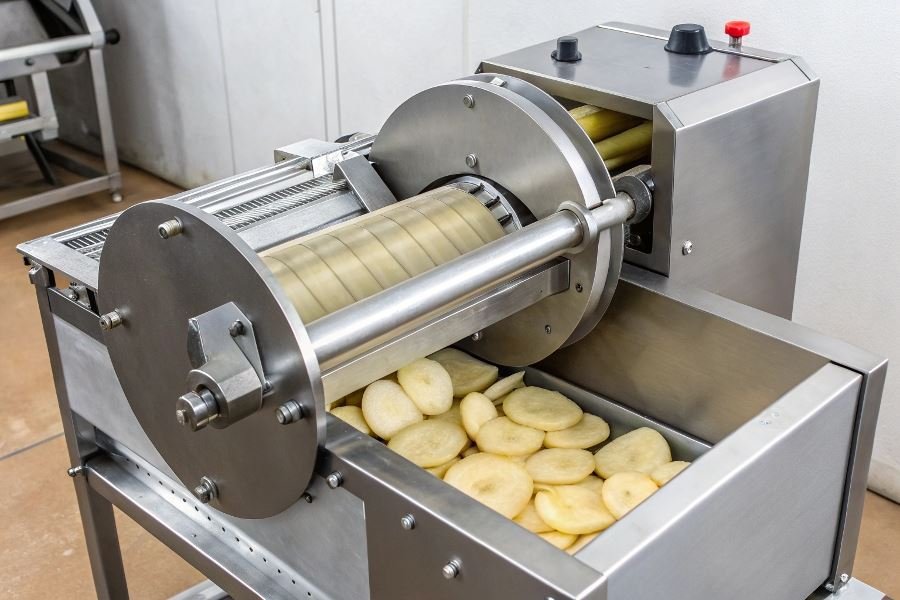
The current marketplace offers three distinct categories: manual hand slicers, mandoline-style devices, and electric processors. Each category serves different volumes and precision needs. What’s particularly interesting is how commercial-grade features have increasingly found their way into home models, with manufacturers recognizing that home cooks are becoming more discerning about their tools. The most significant growth has occurred in mid-range options ($40-80) that balance professional-level cutting capability with practical home kitchen requirements.
Essential Performance Factors in Potato Slicers
The humble potato slicer transforms kitchen workflow from tedious manual cutting to precision efficiency in seconds. When evaluating potato slicers performance: what to pay attention to when choosing these tools becomes critical for anyone serious about food preparation quality and consistency. Let’s dive into the factors that separate exceptional slicers from mediocre ones.
Blade Quality and Material Durability
Stainless steel reigns supreme in the world of cutting blades. Premium slicers feature 304-grade stainless steel—the gold standard for food-grade applications due to its resistance to corrosion and impressive edge retention.
The difference between stamped and forged blades is substantial. Forged blades, though typically commanding higher prices (75 − 150forprofessionalmodels), offersuperiordurabilityandmaintainsharpnessthroughthousandsofpotatoes.Stampedbladesinbudgetmodels(15-30) require more frequent sharpening but can still deliver acceptable performance for occasional use.
A quality blade should maintain its edge through at least 500 pounds of potatoes before requiring maintenance.
Some manufacturers like Wüsthof and Victorinox incorporate proprietary hardening processes that extend blade life by up to 40% compared to standard treatments.
Cutting Precision and Adjustability Options
Modern slicers offer remarkable versatility through adjustable thickness settings. Professional-grade models provide:
- Micro-adjustments between 0.5mm-10mm
- Interchangeable blade cartridges for different cut styles
- Calibrated dials for consistent results
Precision matters tremendously in commercial settings where uniform cooking times depend on consistent slice thickness. Home chefs benefit equally when preparing dishes requiring exact specifications.
| Slicer Type | Thickness Range | Precision Variance | Best For |
|---|---|---|---|
| Basic Manual | 1-5mm fixed | ±0.5mm | Home use, basic cuts |
| Mid-Range | 1-8mm adjustable | ±0.3mm | Enthusiast cooking, varied recipes |
| Professional | 0.5-10mm adjustable | ±0.1mm | Commercial kitchens, presentation-focused dishes |
Ergonomics and Ease of Operation
The physical interface between user and machine dramatically impacts efficiency and safety. Ergonomic considerations include:
- Handle grip design and materials (silicone offers superior grip when wet)
- Force required per slice (ideally under 2.5 pounds of pressure)
- Stability during operation (non-slip bases prevent dangerous shifting)
Intuitive design elements reduce learning curves and increase adoption rates. The best slicers from OXO and KitchenAid incorporate user-centered design principles that make operation nearly instinctive.
Cleaning and Maintenance Requirements
Dishwasher-safe components represent a significant advantage for busy kitchens. However, not all “dishwasher-safe” claims are equal—look for specific temperature ratings and cycle recommendations.
Disassembly complexity varies dramatically between models:
- Basic slicers: 2-3 components, tool-free disassembly
- Advanced models: 5-7 components, may require simple tools
- Commercial units: Modular design with quick-release mechanisms
Regular maintenance extends operational life exponentially. Most quality slicers include maintenance kits with specialized brushes and food-safe lubricants for moving parts.
Safety Features and Mechanisms
Safety should never be compromised for speed or convenience. Essential safety features include:
- Hand guards that fully protect fingers from blade contact
- Automatic locking mechanisms when not in active use
- Non-slip surfaces on all contact points
- Blade covers for storage
The most innovative designs from Benriner and Börner incorporate multiple redundant safety systems without sacrificing performance or adding operational complexity.
When evaluating these critical factors together, you’ll identify a potato slicer that delivers consistent results, stands the test of time, and provides the safety features necessary for confident operation.
Making the Smart Potato Slicer Investment
When it comes to kitchen efficiency, the humble potato slicer punches well above its weight. After examining the critical performance factors, it’s time to synthesize this information into actionable insights that will guide your purchase decision.
Performance Metrics That Actually Matter
The truly exceptional potato slicers distinguish themselves across several key dimensions:
- Cutting precision: The ability to maintain consistent thickness between 1-10mm
- Processing speed: Top performers handle 1-2 pounds per minute
- Blade durability: Premium stainless steel blades maintaining sharpness through 500+ uses
- Stability during operation: Minimal movement when applying pressure
- Cleaning efficiency: Components that disassemble in under 30 seconds
These aren’t just nice-to-have features—they represent the difference between a tool you’ll use daily and one that collects dust in your cabinet.
Value Analysis: Beyond the Price Tag
The relationship between cost and performance follows a fascinating curve:
| Price Range | Expected Performance Benefits | Typical Lifespan |
|---|---|---|
| $15-30 | Basic functionality, manual operation | 1-2 years |
| $30-60 | Enhanced stability, sharper blades | 2-4 years |
| $60-120 | Premium materials, multiple cutting options | 5+ years |
| $120+ | Commercial-grade components, highest throughput | 7+ years |
The sweet spot for most serious home cooks falls in the $40-80 range, where performance gains still outpace cost increases.
Matching Slicers to Specific Needs
Different cooking styles demand different tools:
For high-volume processors: Invest in a mandoline-style slicer with interchangeable blades and robust construction. The OXO Good Grips V-Blade Mandoline Slicer delivers exceptional throughput with minimal effort.
For precision-focused cooks: Consider models with micro-adjustable thickness settings. The ability to fine-tune cuts to 0.5mm increments transforms ordinary potatoes into culinary canvases.
For safety-conscious users: Prioritize models with comprehensive hand guards and non-slip bases. The extra $15-20 for these features pays dividends in peace of mind.
For space-constrained kitchens: Collapsible designs offer 80% of the performance of their larger counterparts while requiring 50% less storage space.
The Decision Framework
When making your final selection, apply this three-step evaluation:
- Identify your primary use case (occasional french fries, daily meal prep, or commercial volume)
- Determine your non-negotiable features (safety guards, dishwasher compatibility, or multiple cutting styles)
- Calculate your cost-per-use over the expected lifespan
The most satisfied potato slicer owners aren’t necessarily those who purchased the most expensive models, but those who matched their specific needs to the right performance profile.
Remember that maintenance practices dramatically impact longevity—regular blade sharpening and proper cleaning can extend the useful life of mid-range slicers by 40-60%, effectively upgrading their performance category without additional cost.
The perfect potato slicer isn’t universal—it’s the one that performs exceptionally well for your specific cutting needs, at a price point that delivers sustainable value.
Discover the essential features of top-performing potato slicers in our comprehensive buying guide. Learn about blade quality, cutting precision, ergonomics, and safety features to make an informed purchase decision for your kitchen needs.
Discover the essential features of top-performing potato slicers in our comprehensive buying guide. Learn about blade quality, cutting precision, ergonomics, and safety features to make an informed purchase decision for your kitchen needs.