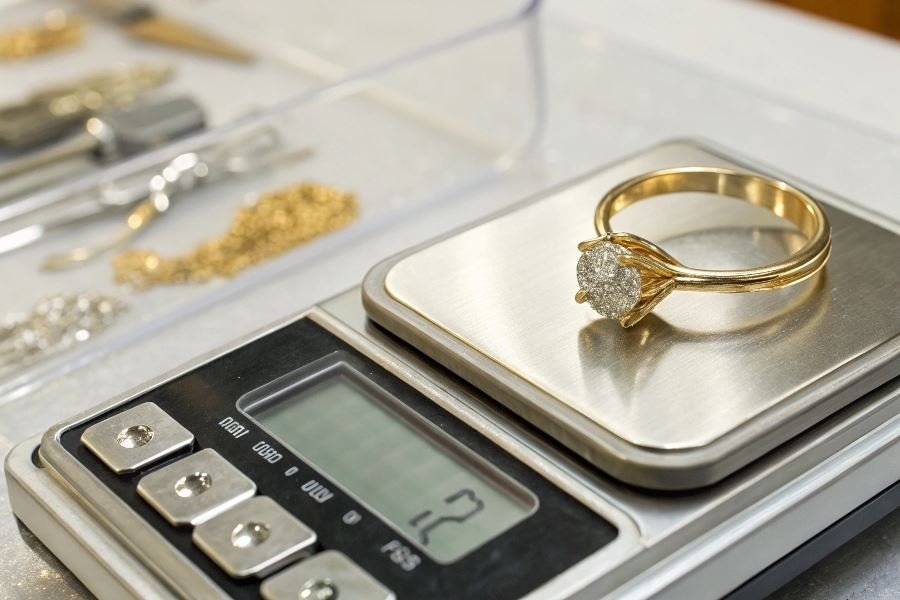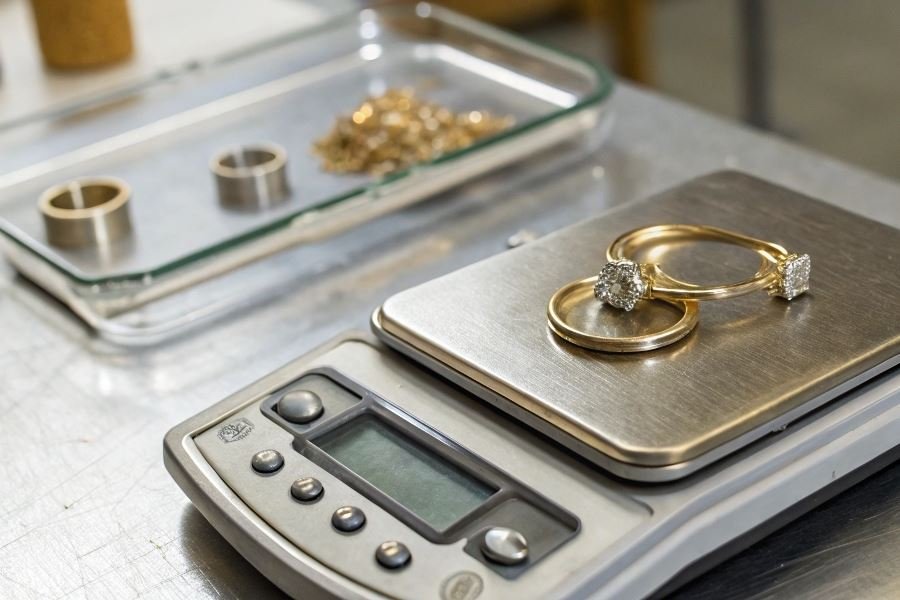
A single carat difference can mean thousands of dollars in value. In the meticulous world of jewelry, precision isn’t just preferred—it’s essential. Whether you’re a jeweler valuing diamonds, a goldsmith measuring precious metals, or a collector authenticating rare pieces, the right scale transforms guesswork into certainty.
Professional jewelry scales represent the intersection of advanced technology and practical necessity. These specialized instruments detect weight variations as minute as 0.001 grams—the equivalent of a single grain of salt. But with hundreds of models flooding the market, from pocket-sized digital options to laboratory-grade analytical balances, making the right choice requires understanding what truly matters beneath the marketing claims.
The precision imperative
When weighing precious metals and gemstones, accuracy translates directly to profitability. Gold trading at approximately $2,400 per ounce means even a 0.1-gram discrepancy represents about $8 in value. For diamonds, where a single carat (0.2 grams) can alter value by thousands, precision becomes even more critical.
Today’s market landscape
The professional jewelry scale market has evolved dramatically, with manufacturers offering specialized features like:
- Calibration verification systems that ensure continued accuracy
- Anti-static technology for weighing tiny gemstones without disruption
- Integrated density calculation for authenticating precious metals
- Bluetooth connectivity for inventory management integration
Essential purchasing considerations
Before investing in a professional scale, evaluate these critical factors:
- Resolution and capacity balance – Higher precision typically means lower maximum capacity
- Calibration certification – Look for NTEP or similar verification standards
- Environmental adaptability – Temperature and humidity compensation matters
- Power reliability – Consider both battery life and stabilized AC adapters
The right professional jewelry scale isn’t merely a tool—it’s a business investment that pays dividends in accuracy, efficiency, and customer trust.
The Precision Game: Essential Features of Professional Jewelry Scales
When measuring precious metals and gemstones, the difference between profit and loss often comes down to fractions of a gram. Professional jewelry scales serve as the unsung heroes of the industry, providing the exacting measurements that jewelers, appraisers, and collectors depend on daily. Selecting the right scale requires understanding several critical specifications that separate professional-grade equipment from consumer alternatives.
The journey of finding professional jewelry scales that meet your specific needs begins with understanding what to pay attention to when buying. Three key factors stand out: precision specifications, calibration capabilities, and appropriate capacity parameters. Each element plays a crucial role in ensuring your measurements remain consistent and trustworthy across various materials and conditions.
Precision That Pays for Itself
Professional jewelry scales typically offer readability between 0.001g (1 milligram) and 0.01g (10 milligrams), depending on their application. For diamond weighing, scales with 0.001g precision are essential, as even the slightest variation can significantly impact valuation.
Resolution vs. accuracy: These terms are often confused but represent different specifications:
- Resolution refers to the smallest increment displayed (readability)
- Accuracy indicates how close the measurement is to the true value
Premium scales from manufacturers like Sartorius or Mettler Toledo typically offer accuracy within ±0.002g or better, ensuring your measurements remain reliable even when dealing with high-value items.
| Scale Type | Typical Readability | Ideal Applications |
|---|---|---|
| Analytical | 0.0001g (0.1mg) | Diamond grading, research |
| Precision | 0.001g (1mg) | Fine jewelry, small gemstones |
| Standard | 0.01g (10mg) | General jewelry, small components |
| Portable | 0.1g (100mg) | Field appraisals, quick checks |
Calibration: The Foundation of Reliability
A scale’s initial accuracy matters little without proper calibration capabilities. Professional jewelry scales require regular calibration to maintain their precision over time.
Essential calibration features include:
- Internal calibration motors that automatically adjust the scale
- External calibration options using certified weights
- Calibration lock to prevent unauthorized adjustments
- Documentation of calibration history
Scales with NTEP (National Type Evaluation Program) certification have undergone rigorous testing to ensure they meet strict standards for commercial transactions. For businesses conducting sales based on weight, this certification isn’t just helpful—it’s often legally required.
The frequency of calibration depends on usage patterns, but most professionals recalibrate daily or weekly to ensure consistent performance.
Capacity and Readability: Finding the Perfect Balance
The relationship between weighing capacity and readability follows a simple rule: as maximum capacity increases, readability typically decreases. This creates an important decision point when selecting professional equipment.
Consider these capacity guidelines:
- Diamond scales: 20-50g capacity with 0.001g readability
- General jewelry: 100-300g capacity with 0.01g readability
- Component weighing: 500-1000g capacity with 0.1g readability
Advanced scales from A&D Weighing and Ohaus offer dual-range functionality, providing higher precision at lower weights and greater capacity when needed—essentially delivering two scales in one.
Remember that environmental factors like air currents, temperature fluctuations, and vibration can significantly impact measurements at high precision levels. The best professional jewelry scales include draft shields, vibration dampening, and temperature compensation to maintain accuracy regardless of conditions.
Beyond Precision: The Hidden Factors of Quality Jewelry Scales
Build quality that stands the test of time
When investing in professional jewelry scales, precision is just the beginning. The construction materials directly impact longevity and reliability in demanding environments. Top-tier scales feature stainless steel weighing platforms that resist corrosion from constant handling of metals and chemicals. The difference between consumer-grade plastic and industrial-grade aluminum becomes apparent after months of daily use.
Stability matters more than you think. The best jewelry scales incorporate shock-absorbing feet and internal stabilization systems that maintain accuracy even when nearby equipment creates vibrations. Tanita scales, for instance, use patented shock absorption technology that preserves calibration through years of workshop use.
Consider the display quality as well. Anti-glare screens with high-contrast LED displays prevent eye strain during long appraisal sessions. Premium models from OHAUS feature displays viewable from multiple angles—crucial when collaborating with colleagues or clients.
The true cost of a jewelry scale isn’t measured at purchase, but over thousands of weighings across years of service.
Smart features that transform workflow
Modern jewelry scales offer connectivity options that streamline documentation and inventory management. Bluetooth-enabled models can transmit measurements directly to appraisal software, eliminating transcription errors and creating audit trails.
Advanced features worth considering include:
| Feature | Benefit | Found in |
|---|---|---|
| Statistical functions | Track averages across multiple pieces | Mid to high-end models |
| Density determination | Calculate precious metal purity | Professional models |
| Customizable units | Switch between carats, grains, pennyweight | Most quality scales |
| Data logging | Store hundreds of measurements | Network-connected models |
USB connectivity allows for firmware updates that extend functionality over time. Some manufacturers like A&D Weighing provide software packages that transform measurement data into detailed reports and certificates—essential for insurance documentation.
The true investment calculation
The sticker price tells only part of the story. Professional jewelry scales represent a multi-year investment where support infrastructure matters tremendously.
Warranty terms vary dramatically between manufacturers. Industry leaders typically offer 5-7 year warranties on mechanical components, while budget options might provide just 12 months of coverage. Sartorius backs their professional jewelry scales with comprehensive 5-year warranties that include annual calibration services.
Consider these ownership factors:
- Calibration requirements – How often will the scale need professional recalibration? Premium models often include calibration weights and self-calibration features.
- Repair accessibility – Does the manufacturer maintain service centers in your region? Shipping delicate equipment internationally for repairs can be costly and time-consuming.
- Consumable parts – Some scales require replacement draft shields, platform covers, or specialized batteries that add to long-term costs.
The most cost-effective scales often come from manufacturers who offer comprehensive service packages. These might include preventative maintenance, loaner equipment during repairs, and dedicated technical support lines—all factors that minimize downtime for busy jewelry operations.
When calculating total cost of ownership, factor in the value of your time. A reliable scale that delivers consistent readings without frequent recalibration pays dividends through increased productivity and confidence in your work.
Discover the top 5 professional jewelry scales with our comprehensive buying guide. Learn about precision requirements, calibration features, and key factors to consider when investing in accurate weighing equipment for your valuable pieces.
Discover the top 5 professional jewelry scales with our comprehensive buying guide. Learn about precision requirements, calibration features, and key factors to consider when investing in accurate weighing equipment for your valuable pieces.