Ever watched a chef work through a 12-hour shift, their apron gradually transforming from pristine to battle-worn? That’s not just about aesthetics—it’s about protection, performance, and sometimes even safety.
Moisture-resistant aprons have quietly revolutionized workspaces from professional kitchens to home workshops. Whether you’re facing splashing oils at 350°F, handling chemical compounds in a laboratory, or simply protecting your clothes during an enthusiastic pasta-making session, the barrier between you and liquids matters tremendously.
The protection factor: Beyond keeping clothes dry
Moisture resistance isn’t merely a convenience—it’s often a necessity. In commercial kitchens, a proper moisture barrier prevents hot liquids from reaching skin, potentially preventing serious burns. For woodworkers and artisans, it means protection from stains that would otherwise render clothing permanently damaged. The right apron creates a microenvironment that extends both the workday comfort and the lifespan of the garments underneath.
Material science: Not all barriers are created equal
The technology behind moisture-resistant aprons has advanced dramatically. Today’s options include:
- PVC-coated fabrics: Offering complete waterproofing but limited breathability
- Silicone-treated cotton: Providing water repellency while maintaining comfort
- Synthetic blends: Balancing durability with flexibility and quick-drying properties
Waterproof vs. water-repellent: Understanding the crucial difference
Here’s where terminology matters:
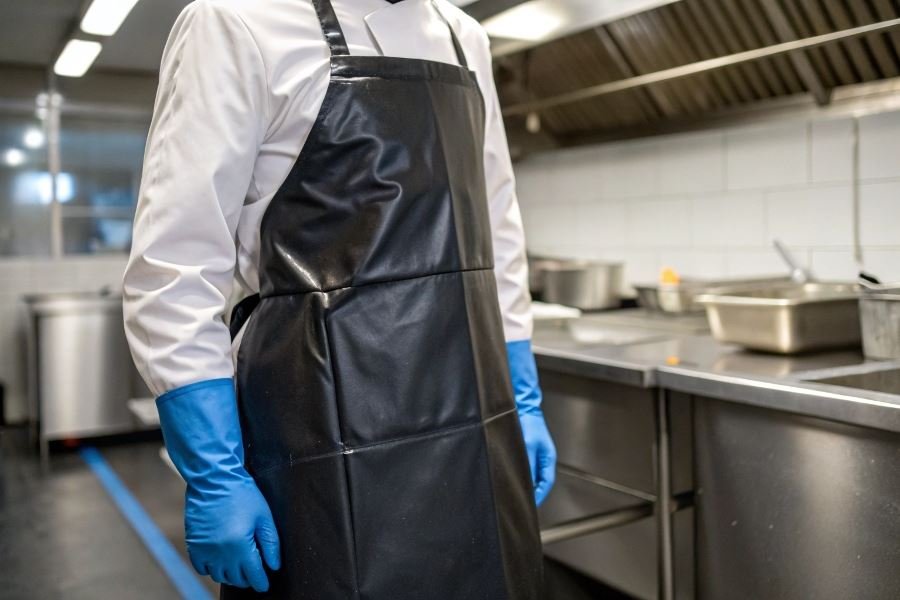
Waterproof materials create an impenetrable barrier that water cannot pass through under any circumstances—ideal for fishmongers and dishwashers facing constant water exposure.
Meanwhile, water-repellent (or water-resistant) fabrics cause moisture to bead up and roll off rather than soak through—perfect for light splashes and brief exposure. The distinction determines not just performance, but comfort during extended wear.
Moisture-Resistant Aprons That Actually Work
When your workday involves splashes, spills, and unexpected messes, the right apron isn’t just an accessory—it’s essential equipment. Today’s moisture-resistant aprons combine advanced materials with thoughtful design to keep professionals dry and focused across diverse working environments. Let’s dive into the most effective options for different settings.
The market for specialized workwear has evolved dramatically, offering aprons with moisture-resistant properties that cater to specific professional needs. Whether you’re reducing kitchen splashback or handling industrial fluids, these purpose-built barriers deliver protection without sacrificing comfort or mobility.
Top 3 Moisture-Resistant Aprons for Culinary Professionals
Professional kitchens demand serious protection. These top performers deliver:
-
Chef Works Waterproof Bib Apron – This heavyweight champion features a proprietary polyurethane coating that repels liquids while maintaining breathability. The reinforced cross-back straps distribute weight evenly, preventing neck strain during 12+ hour shifts. ($89)
-
Hedley & Bennett All Day Crossback – Beloved by celebrity chefs, this premium option combines water-resistant cotton canvas with a silicone treatment. The result? A natural-feeling apron that handles everything from pasta water to red wine. The brass hardware and reinforced pockets justify the investment. ($95)
-
Tilit Chef Goods Contra Apron – This innovative design uses a waxed cotton blend that actually improves with age. The material develops a beautiful patina while maintaining its water-resistance. Perfect for high-end restaurants where aesthetics matter. ($85)
| Apron | Material | Water Resistance | Price | Best For |
|---|---|---|---|---|
| Chef Works | Poly-blend | Excellent | $89 | High-volume kitchens |
| Hedley & Bennett | Treated canvas | Very good | $95 | All-day comfort |
| Tilit | Waxed cotton | Good (improves) | $85 | Style-conscious chefs |
Best Moisture-Resistant Aprons for Workshop and Industrial Environments
Industrial settings require aprons that handle chemicals, oils, and abrasive materials:
-
Carhartt Firm Duck Apron – This workhorse features 12oz duck canvas with a water-repellent finish that stands up to years of abuse. The reinforced pockets accommodate tools without sagging. ($45)
-
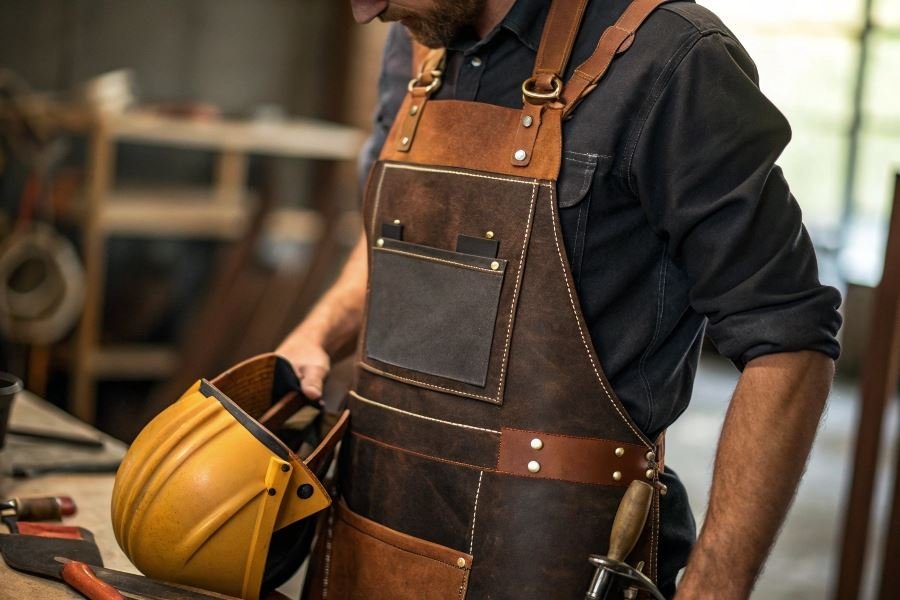
Hudson Durable Goods Heavy Duty Waxed Canvas – With 16oz waxed canvas and genuine leather straps, this apron offers exceptional protection against water, oil, and grease. The cross-back design prevents neck fatigue during long projects. ($59)
-
Dickies Industrial Apron – This no-nonsense option uses PVC-coated polyester that wipes clean instantly. Perfect for environments with chemical exposure or frequent cleaning requirements. ($38)
Moisture-Resistant Aprons for Gardening and Outdoor Activities
Outdoor work presents unique challenges from morning dew to unexpected showers:
-
Barebones Living Garden Apron – This standout combines waxed canvas with a unique fold-up design that transforms the bottom into a harvest basket. The water-resistant finish handles mud, morning dew, and light rain with ease. ($65)
-
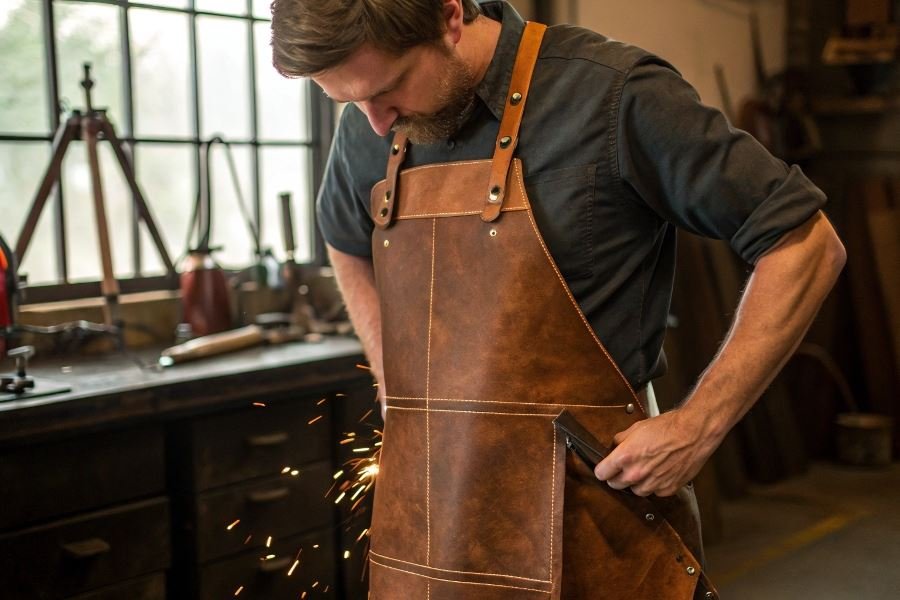
Duluth Trading Lifetime Leather Apron – This premium option uses oil-tanned leather that naturally repels moisture while developing character over time. The adjustable harness system distributes weight across shoulders rather than neck. ($89)
-
Atlas 46 Yorktown Tool Roll Apron – For serious outdoor work, this military-grade option features a CORDURA® fabric base with DWR (Durable Water Repellent) coating. The modular pocket system allows customization for different tasks. ($75)
The right moisture-resistant apron becomes an extension of your professional identity—choose one that matches both your practical needs and working style. Your back (and clothes) will thank you.
Making the Right Choice: Your Guide to Moisture-Resistant Aprons
Key Features That Make or Break Your Purchase
Selecting the perfect moisture-resistant apron isn’t just about grabbing the first waterproof option you see. The difference between a good apron and a great one lies in the details. When evaluating your options, prioritize material composition first and foremost. Premium aprons typically feature multi-layer construction with materials like PVC-coated polyester, TPU-laminated fabrics, or specialized treatments like Teflon fabric protector.
The coverage area dramatically affects functionality. Full-coverage designs extending from chest to knee offer maximum protection, while bib-style options provide targeted shielding where splashes most commonly occur. Don’t overlook seam construction – heat-sealed or ultrasonically welded seams outperform traditional stitching by eliminating needle holes where moisture can penetrate.
The hardware elements often separate professional-grade aprons from basic models. Look for rust-resistant metal components or high-impact polymers that won’t degrade with repeated exposure to moisture. Adjustability features like cross-back straps distribute weight evenly, preventing neck strain during extended wear.
Extending Lifespan Through Proper Care
Moisture-resistant aprons require specific maintenance routines to maintain their protective properties. After each use, wipe down your apron with a damp cloth rather than fully submerging it, as excessive soaking can compromise waterproof membranes over time.
For deeper cleaning, follow this maintenance schedule:
| Cleaning Level | Frequency | Method |
|---|---|---|
| Light cleaning | After each use | Damp cloth wipe-down |
| Medium cleaning | Weekly | Mild soap solution, hang dry |
| Deep cleaning | Monthly | Manufacturer-approved cleaner |
Never use bleach or harsh solvents on moisture-resistant aprons. These chemicals break down protective coatings and dramatically shorten lifespan. Similarly, avoid high-heat drying methods – air drying away from direct sunlight preserves water-repellent properties.
For aprons with removable components, detach these elements before cleaning when possible. Store your apron hanging rather than folded to prevent permanent creases that can create failure points in moisture barriers.
The Economics of Quality Protection
Investing in a premium moisture-resistant apron might seem expensive initially, but the cost-benefit analysis reveals significant long-term value. Entry-level moisture-resistant aprons typically range from $25-45, while professional-grade options from brands like Chef Works or Hudson Durable Goods command $65-120.
The premium models deliver 3-5 times longer functional lifespan under identical conditions. When calculating true cost, divide the purchase price by expected months of service:
A $40 basic apron lasting 8 months costs $5 per month of protection.
A $90 premium apron lasting 30 months costs $3 per month – while delivering superior performance.
Beyond direct replacement costs, factor in productivity benefits. Quality aprons with thoughtful design features like strategic pocket placement and ergonomic strap systems reduce fatigue and improve workflow efficiency. The moisture barrier quality directly impacts comfort during extended wear – cheaper options often become clammy against the skin as vapor transmission rates decline.
For professionals whose work depends on staying dry and protected, the investment in quality moisture-resistant aprons pays dividends through improved comfort, enhanced durability, and ultimately superior protection when it matters most.
Discover the top 5 professional-grade moisture-resistant aprons for kitchens, workshops, and gardens. Compare waterproof materials, durability features, and maintenance tips to find the perfect protection for your craft or trade.
Discover the top 5 professional-grade moisture-resistant aprons for kitchens, workshops, and gardens. Compare waterproof materials, durability features, and maintenance tips to find the perfect protection for your craft or trade.