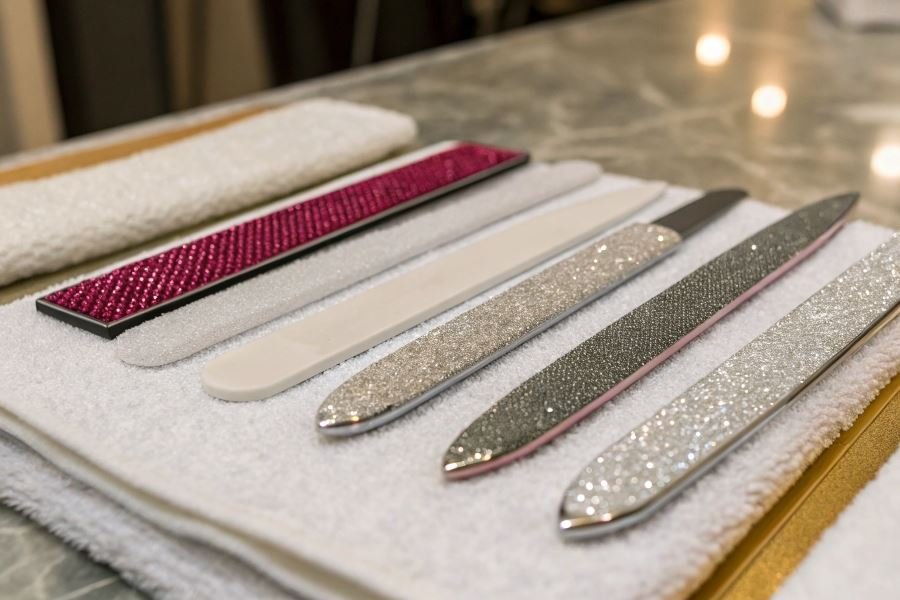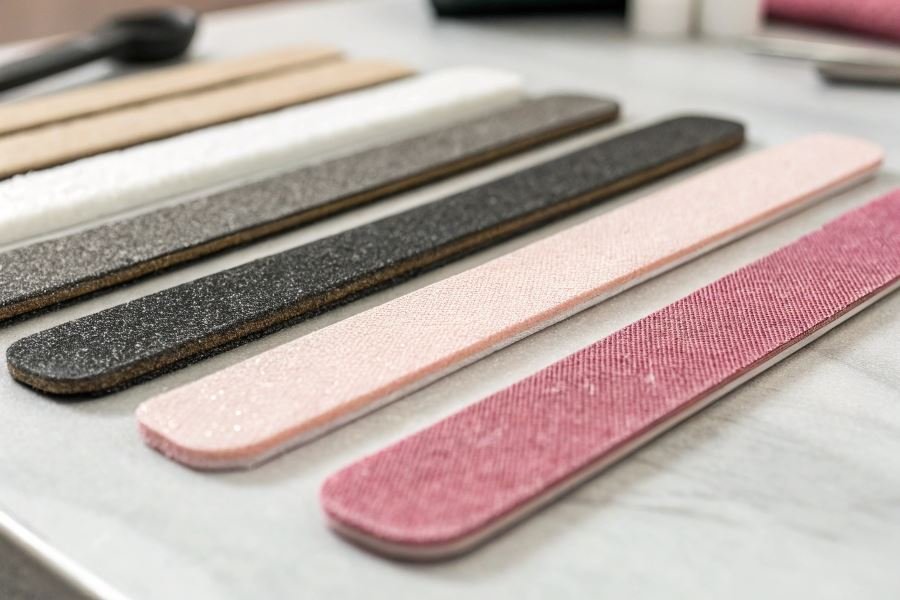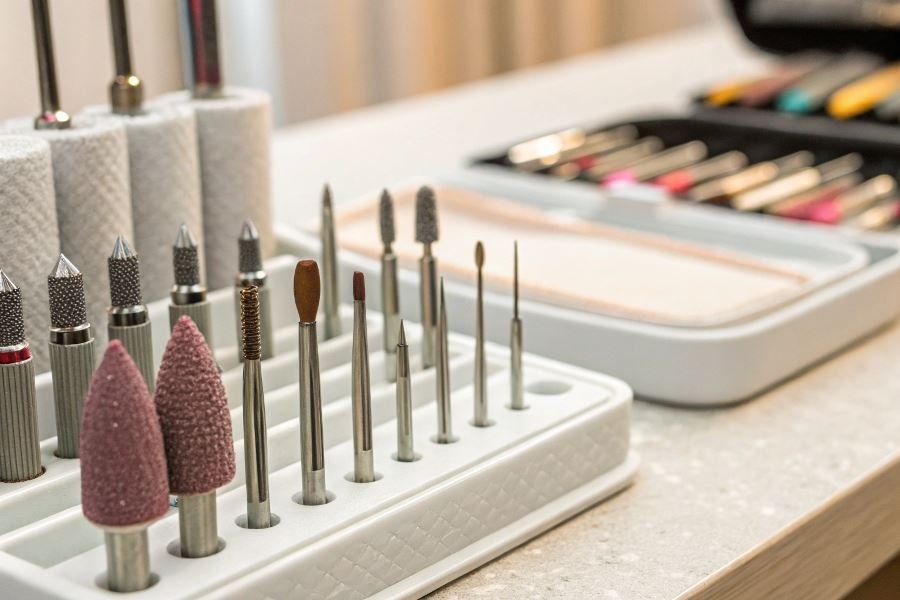
Ever watched a professional nail technician transform rough, uneven nails into smooth, perfectly shaped canvases in minutes? The secret lies not in magic, but in the specialized tools they wield with such confidence—particularly their hardware files.
Hardware manicure and pedicure files are electric-powered precision instruments designed to shape, smooth, and refine natural nails and callused skin with remarkable efficiency. Unlike traditional manual files, these professional-grade tools utilize rotating bits that spin at controlled speeds, allowing for meticulous work without the arm fatigue or inconsistent pressure that often accompanies hand filing.
Why choosing the right file matters more than you think
The difference between a rejuvenating nail service and a potentially damaging one often comes down to file selection. Professional-grade hardware files typically operate between 3,000-30,000 RPM, with various bit materials including diamond, ceramic, and carbide offering different benefits for specific nail conditions. For instance, coarse diamond bits excel at removing gel polish, while fine ceramic bits provide gentle finishing touches.
The stakes are particularly high for those with diabetes or circulation issues, where improper tool selection can lead to complications beyond just aesthetic disappointment.
When evaluating hardware files for your needs, three factors deserve careful consideration:
- Motor quality: Determines durability and consistent performance
- Speed control: Essential for adapting to different nail types and conditions
- Bit compatibility: Ensures versatility for various nail care procedures
Whether for professional salon use or home maintenance, understanding these fundamental aspects of hardware files transforms ordinary nail care into an art of precision.
The Ultimate Guide to Files for Hardware Nail Treatments
Professional nail technicians know that selecting the right file for hardware manicure and pedicure treatments can make the difference between mediocre results and spectacular ones. The tool you choose directly impacts efficiency, client comfort, and the final aesthetic outcome. Let’s dive into the fascinating world of professional nail files and discover which options deliver superior performance for your hardware nail system.
When considering what files are suitable for hardware manicure and pedicure, three primary categories stand out for their unique properties and applications: metal, ceramic, and diamond-coated files. Each type offers distinct advantages depending on the specific nail condition, treatment goal, and technician preference.
Metal Files: Workhorses of the Nail Industry
Metal files represent the traditional backbone of hardware nail treatments, prized for their exceptional durability and versatility. These robust tools can withstand thousands of rotations without significant wear, making them cost-effective investments for busy salons.
Key advantages of metal files include:
- Exceptional heat dissipation preventing client discomfort
- Superior strength for tackling thick, problematic nails
- Ability to maintain sharpness through hundreds of procedures
- Excellent for initial shaping and bulk reduction
Metal bits typically come in various grits, with coarser options (80-180 grit) ideal for removing gel polish and acrylics, while medium grits (180-240) excel at shaping natural nails. For professionals handling multiple clients daily, these workhorses deliver consistent performance without frequent replacement.
Ceramic Files: Gentle Precision for Natural Nails
Ceramic technology has revolutionized hardware nail treatments by offering a gentler alternative that still delivers impressive results. These files generate significantly less heat during operation, making them ideal for clients with sensitive nail beds or technicians who prefer longer treatment sessions.
Ceramic files shine brightest when:
- Working with thin, delicate natural nails
- Performing detailed cuticle work
- Creating precise smile lines
- Finishing and buffing procedures
The thermal properties of ceramic prevent overheating, reducing the risk of thermal damage to the nail plate. This makes them particularly valuable for pedicure treatments where clients often have thinner, more sensitive toenails that require a delicate touch.
Diamond-Coated Files: Precision Powerhouses
Diamond-coated files represent the premium tier of hardware nail tools, offering unmatched precision and effectiveness across virtually all nail conditions. These files feature industrial-grade diamond particles bonded to metal shanks, creating surfaces that cut efficiently without generating excessive heat.
| Grit Level | Application | Best For |
|---|---|---|
| Extra Coarse (60-100) | Removing enhancements | Acrylics, hard gels |
| Coarse (100-180) | Shaping artificial nails | Sculpting, bulk reduction |
| Medium (180-240) | Natural nail prep | Shaping, surface smoothing |
| Fine (240-600) | Finishing work | Buffing, detail work |
| Extra Fine (600+) | High-shine finishing | Creating natural gloss |
The precision advantage of diamond files makes them particularly effective for addressing problematic nail conditions like hyperkeratosis, thickened nails, and fungal damage. Their cutting efficiency reduces treatment time while minimizing trauma to surrounding tissues.
Diamond bits maintain their cutting edge significantly longer than other materials, though this premium performance comes with a higher initial investment. For professionals serious about delivering exceptional results, this investment typically pays dividends through improved client satisfaction and treatment outcomes.
Selecting the appropriate file for each phase of your hardware nail treatment ensures optimal results while maximizing client comfort and minimizing treatment time.
The Ultimate Guide to Nail File Selection for Professional Results
Decoding grit measurements for perfect finishes
The foundation of effective hardware manicure and pedicure lies in understanding file grit measurements. Grit numbers indicate the abrasiveness of a file—the lower the number, the coarser the file. Professional nail technicians recognize that this seemingly simple metric dramatically impacts results.
Files typically range from 80 to 240 grit, with each serving distinct purposes:
- 80-100 grit: These coarse files quickly remove artificial materials and shape thick, problematic nails
- 100-180 grit: Medium-grade files perfect for general shaping and smoothing natural nails
- 180-240 grit: Fine files designed for finishing touches and buffing natural nails to a smooth surface
Pro tip: Never use files below 100 grit on natural nails—they’re too aggressive and can cause micro-tears in the nail plate that lead to splitting and peeling.
The material matters too. Diamond files from brands like Kupa offer exceptional durability, while ceramic options provide excellent precision for detailed work. For artificial nail removal, carbide bits from Medicool deliver efficient results without generating excessive heat.
File shapes that transform nail care
The shape of your file dramatically affects both technique and results. Different nail types and procedures demand specific file geometries:
| File Shape | Best For | Advantages |
|---|---|---|
| Straight | General shaping, artificial nails | Provides consistent pressure across the nail |
| Curved | Natural nails, cuticle work | Follows nail contours for gentle shaping |
| Pointed | Detail work, corners | Reaches tight spaces without damaging surrounding tissue |
| Barrel | Under-nail cleaning, callus removal | Offers controlled abrasion in concave areas |
When working with thin, brittle nails, curved files with 180+ grit minimize trauma. For thick, problematic toenails, straight files with 100-120 grit provide the necessary strength for effective reshaping.
Matching file shape to nail type isn’t just about aesthetics—it’s about nail health. Square-shaped nails benefit from straight files for crisp edges, while oval nails require curved files to maintain their gentle contours.
Extending file lifespan through proper care
Professional-grade files represent a significant investment. Proper maintenance not only extends their lifespan but ensures consistent performance and client safety.
Sanitization protocols vary by material:
- Metal and glass files can be fully disinfected using Barbicide or autoclave sterilization
- Disposable files should be single-use only, especially for pedicures
- Diamond bits require ultrasonic cleaning followed by disinfection
Between-client cleaning should include:
- Brush removal of nail dust and debris
- Disinfectant spray or soak (following manufacturer guidelines)
- Complete air drying before storage
Files showing signs of wear—including smoothed abrasive surfaces, chips, or cracks—should be replaced immediately. Even premium files from Tweezerman or Revlon eventually lose effectiveness, compromising both results and safety.
Store files in dedicated containers rather than loose in drawers to prevent cross-contamination and preserve their abrasive surfaces. This simple habit can double the functional lifespan of quality files.
By selecting the appropriate grit, shape, and maintaining proper sanitization protocols, professionals can achieve superior results while protecting client health—the true hallmark of exceptional nail care.
Discover the essential guide to hardware manicure and pedicure files. Learn about metal, ceramic, and diamond-coated options, optimal grit selections, and proper shapes for professional results at home or in salon settings.
Discover the essential guide to hardware manicure and pedicure files. Learn about metal, ceramic, and diamond-coated options, optimal grit selections, and proper shapes for professional results at home or in salon settings.