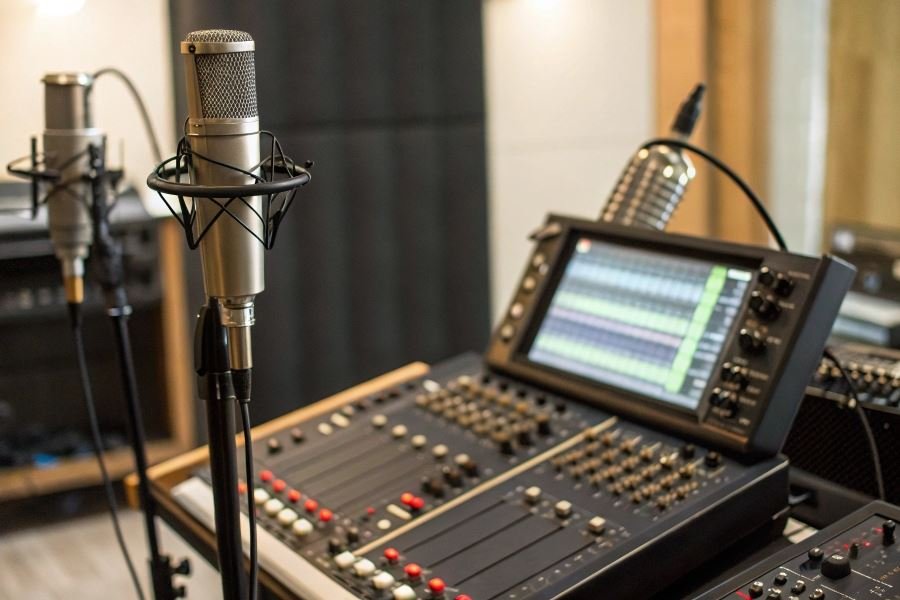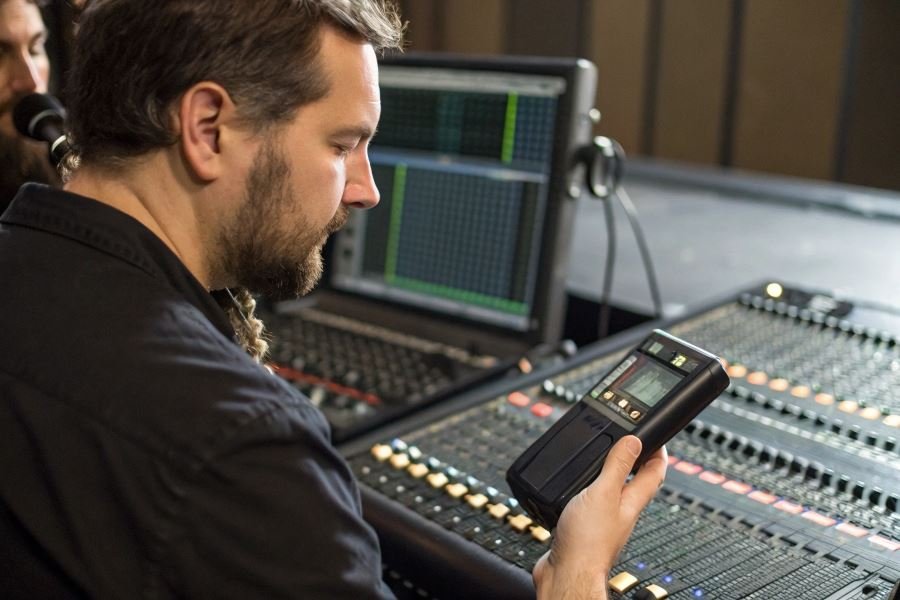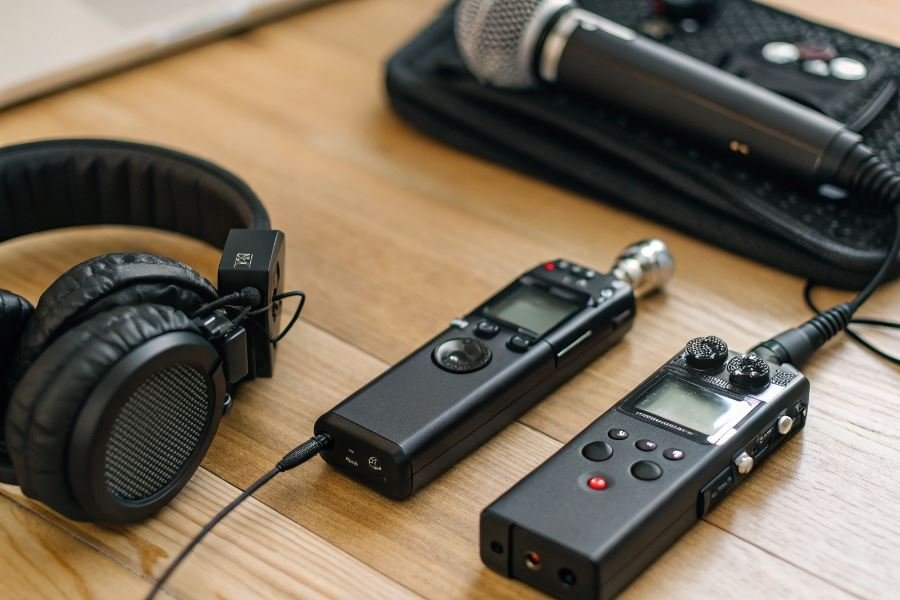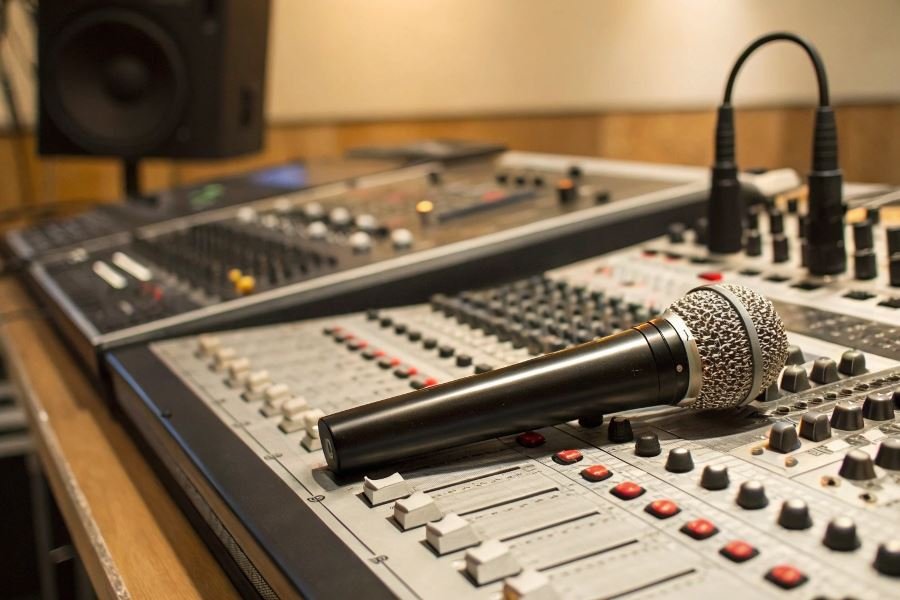
That moment when you hear a perfectly captured vocal take or instrument performance—it’s magic. Behind that magic? A professional studio recorder that transforms sound waves into pristine digital files with uncompromising fidelity.
Professional studio recorders serve as the critical bridge between musical performance and final production. Unlike consumer-grade equipment, these sophisticated devices capture audio with exceptional clarity, minimal noise, and precise timing—essential qualities when every sonic detail matters. The difference between adequate and exceptional recording often comes down to the recorder’s ability to preserve the authentic character of sound.
From tape reels to digital powerhouses
Recording technology has undergone remarkable transformation since the days of bulky tape machines. The industry shifted dramatically when digital recording emerged in the late 1970s, with the release of the Sony PCM-1 in 1977 marking a pivotal moment. Today’s market features everything from standalone multitrack recorders to computer interfaces and networked systems that can capture dozens of simultaneous inputs.
The foundation of selection
Choosing the right professional recorder requires evaluating several critical factors:
- Signal quality: How cleanly can it capture audio without coloration?
- Format compatibility: Will it integrate with your existing workflow?
- Reliability: Can it perform flawlessly during critical sessions?
- Expandability: Will it grow with your studio’s needs?
The recorder you select becomes the cornerstone of your studio’s sound signature—a decision that influences every project that passes through your doors. The right choice empowers creativity; the wrong one introduces limitations that can compromise even the most inspired performances.
The Technical Backbone of Studio Recording
When evaluating professional recorders for studio environments, the technical specifications form the foundation of your decision-making process. These aren’t just numbers on a spec sheet—they’re the difference between capturing a performance with breathtaking clarity or settling for mediocrity. The criteria for choosing a professional recorder for the studio extend beyond brand names and price points, diving deep into the technical capabilities that truly matter.
Audio Quality: The Numbers That Define Excellence
Professional recording is a game of precision, where every decimal point matters. The holy trinity of audio quality specifications includes:
Bit Depth: The difference between 16-bit and 24-bit recording isn’t subtle—it’s transformative. At 24-bit, you’re working with 16,777,216 possible amplitude values versus just 65,536 in 16-bit recording. This translates to a dramatically lower noise floor and greater dynamic range (typically 144dB versus 96dB).
Sample Rate: While 44.1kHz captures frequencies up to 22.05kHz (beyond human hearing), higher sample rates like 96kHz or 192kHz provide crucial headroom for processing. This prevents aliasing during pitch-shifting and time-stretching operations.
Frequency Response: Look for recorders with flat frequency response from 20Hz to 20kHz (±0.5dB or better). Premium units from manufacturers like Sound Devices often extend this range to 10Hz-40kHz, capturing subtle harmonics that shape tonal character.
| Specification | Professional Standard | Premium Standard |
|---|---|---|
| Bit Depth | 24-bit | 32-bit float |
| Sample Rate | 96kHz | 192kHz |
| Frequency Response | 20Hz-20kHz (±0.5dB) | 10Hz-40kHz (±0.1dB) |
| Dynamic Range | 120dB | 130dB |
Connectivity: Building Your Signal Chain
The most pristine converter means nothing if you can’t properly route your signals. Modern studio recorders must offer:
Analog Inputs: Look for balanced XLR/TRS combo jacks with high-quality preamps. The Zoom F8n Pro offers 8 preamps with a noise floor of -127dBu and gain up to 75dB—specs that were unimaginable in portable recorders just a decade ago.
Digital I/O: ADAT, S/PDIF, and AES/EBU connections allow integration with existing studio infrastructure. The ability to sync via word clock is essential for multi-device setups.
Monitor Options: Dedicated headphone outputs with independent volume control and zero-latency monitoring capabilities ensure you can properly evaluate what you’re capturing.
Network Connectivity: Ethernet and Wi-Fi capabilities are increasingly important, enabling remote control, backup, and integration with networked audio systems like Dante.
Storage and Transfer: Managing Your Digital Assets
The final technical consideration involves how your recorder handles the massive data files it creates.
Storage Capacity: Professional recorders typically use removable media—SD cards, SSDs, or CFast cards. Calculate your needs based on track count, bit depth, and sample rate. A 64GB card can hold approximately 3 hours of 8-track, 24-bit/96kHz recording.
Redundancy Options: Dual-card recording slots provide essential backup capabilities. The Tascam DA-6400 takes this further with RAID configurations for mission-critical applications.
Transfer Protocols: USB-C connections have become standard, offering transfer speeds up to 10Gbps. Some high-end units include Thunderbolt ports for even faster offloading.
Format Compatibility: Beyond standard WAV files, support for BWF (Broadcast Wave Format) with embedded metadata is crucial for professional workflows, especially when files will move through complex post-production chains.
When these technical criteria align with your specific recording needs, you’ve found more than just a recorder—you’ve found a reliable partner for capturing sonic excellence. The investment in proper technical specifications pays dividends with every recording session, ensuring your creative vision translates faithfully from performance to playback.
Making Smart Studio Recorder Investments
Budget realities that shape your choices
Professional recording equipment represents a significant investment, with studio-grade recorders ranging from $500 to well over $10,000. The key isn’t necessarily spending the most, but investing strategically. Multi-track field recorders like the Sound Devices MixPre-10 II offer exceptional value at around $1,700, delivering professional-grade preamps and versatile functionality that would have cost triple that amount a decade ago.
Value assessment goes beyond the price tag. Consider cost-per-track and cost-per-feature ratios when evaluating options. A 3, 000recorderoffering16tracks(187/track) might represent better value than a 1, 5008 − trackunit(187/track) if both meet your quality standards but the former provides growth potential.
The most expensive recorder isn’t always the best choice—the one that eliminates workflow bottlenecks while meeting your quality standards delivers the highest ROI.
Factor in peripheral costs: storage media, power solutions, cases, and eventual maintenance all impact your total investment. Budget an additional 20-30% beyond the recorder’s price for these essentials.
Interface design that enhances creativity
The recorder’s interface directly impacts your productivity and creative flow. Physical controls trump touchscreens in high-pressure recording situations—dedicated knobs for gain adjustment and transport controls allow for quick adjustments without menu diving.
Workflow integration capabilities determine how seamlessly your recorder fits into your existing studio ecosystem. Key considerations include:
| Integration Factor | Why It Matters |
|---|---|
| Digital I/O options | Determines compatibility with other studio equipment |
| File format support | Affects post-production workflow efficiency |
| Remote control options | Enables operation from DAW or mobile devices |
| Network connectivity | Facilitates file transfers and remote operation |
The Zoom F8n Pro exemplifies thoughtful interface design with its color display, dedicated gain knobs, and customizable buttons that speed up operation. Similarly, the Tascam Portacapture X8 offers a touchscreen interface with app-style navigation that feels intuitive to digital natives.
Reliability that withstands professional demands
Professional recorders must perform flawlessly under pressure—there are no second chances with live recordings. Reliability stems from both build quality and thoughtful engineering:
Chassis construction significantly impacts durability, with metal housings generally outperforming plastic in demanding environments. The Sound Devices 833 exemplifies this with its carbon-fiber and aluminum construction.
Redundant recording features provide insurance against data loss. Look for dual-card recording, backup power options, and pre-record buffers that capture audio before you press record.
Manufacturer support becomes crucial when issues arise. Research:
- Warranty duration and coverage scope
- Availability of firmware updates (indicating ongoing development)
- Repair turnaround times and service center locations
- User community size and activity level
Companies like Sound Devices and Zoom have established reputations for supporting products long after purchase, with regular firmware updates that add features and fix bugs. This long-term support transforms your recorder from a depreciating asset into an evolving tool.
When evaluating reliability, seek out testimonials from professionals working in conditions similar to yours. Their real-world experiences often reveal performance characteristics not evident in specifications sheets.
Discover the essential technical and practical criteria for selecting high-quality studio recorders. Learn about audio specifications, connectivity options, and budget considerations to make an informed investment in your recording setup.
Discover the essential technical and practical criteria for selecting high-quality studio recorders. Learn about audio specifications, connectivity options, and budget considerations to make an informed investment in your recording setup.