Ever stood in a showroom, staring at dozens of kitchen sinks, feeling that strange mix of excitement and decision paralysis? You’re not alone. The sink—that hardworking centerpiece of kitchen activity—deserves more consideration than most homeowners initially give it.
When designing or renovating a kitchen, the installation type of your washing sink fundamentally shapes both how your space functions and feels. The choice between built-in and floor-mounted options isn’t merely aesthetic—it’s about how you’ll interact with your kitchen for years to come.
Built-in sinks integrate seamlessly with countertops, creating clean lines and a contemporary feel. Meanwhile, floor-mounted models make bold statements with their standalone presence and often vintage appeal. Each installation type brings distinct advantages to your kitchen ecosystem.
Your decision should consider several critical factors:
- Space utilization: Built-in options maximize counter space, while floor-mounted sinks can anchor an open kitchen layout
- Cleaning requirements: The absence of seams in certain built-in designs eliminates those notorious grime-collecting crevices
- Installation complexity: Floor-mounted options often require less structural modification but more plumbing considerations
- Design flexibility: Your sink choice establishes a design language that influences everything from faucet selection to cabinet configuration
“The sink is the kitchen’s true workstation—choose its installation style based on how you actually cook and clean, not just how you want it to look.”
The right sink installation transforms daily tasks from mundane to pleasurable, proving that functionality and beauty aren’t competing priorities—they’re complementary forces in creating a kitchen that truly works.
The Ultimate Sink Showdown: Built-in vs Floor-Mounted
When designing your kitchen or bathroom space, the humble sink often becomes a pivotal decision point that affects everything from workflow to aesthetics. The choice between built-in and floor-mounted washing sinks isn’t just about looks—it’s about how you’ll interact with this essential fixture for years to come.
Space is the ultimate luxury in modern homes, and your sink choice plays a crucial role in maximizing it. Built-in vs floor-mounted washing sinks: what to choose often comes down to the square footage you’re working with. Built-in models integrate seamlessly with countertops, creating a continuous surface that visually expands your space. They require sturdy countertop material—typically stone, solid surface, or high-quality laminate—capable of supporting the sink’s weight and daily use. Installation demands precision cutting and proper support structures beneath.
Floor-mounted sinks, by contrast, stand independently on their own pedestals or legs. They require only plumbing connections and minimal structural support, making them ideal for historical renovations or spaces where countertop modifications aren’t feasible. The open area beneath floor-mounted models creates a visual lightness that can make small bathrooms appear more spacious, though you sacrifice valuable storage space.
Durability and Maintenance Realities
Built-in sinks offer superior edge protection since the rim is typically protected by the countertop material. This design prevents water damage at crucial junctures and eliminates the crevices where grime accumulates in traditional drop-in models.
The seamless integration of undermount built-ins makes wiping countertop debris directly into the sink a breeze—a small daily convenience that adds up over time.
Floor-mounted options present different maintenance challenges. Their exposed plumbing requires regular cleaning, but their accessibility makes identifying leaks or problems straightforward. Many models feature porcelain or fireclay construction that resists scratches and maintains its appearance for decades with proper care.
The True Cost Equation
Initial investment for both options varies widely based on materials and design:
| Sink Type | Starting Price | Installation Cost | Long-Term Value |
|---|---|---|---|
| Built-in | 200−1,200+ | 200−400 | High resale value, modern appeal |
| Floor-mounted | 250−2,000+ | 150−300 | Classic appeal, easier replacement |
The built-in option typically demands a higher combined investment when factoring in countertop requirements. A quality Kohler undermount sink paired with stone countertops can easily exceed $2,000 for materials alone. However, this investment often returns value through increased home appraisals and buyer appeal.
Floor-mounted sinks from manufacturers like American Standard offer more installation flexibility and potentially lower initial costs, especially in renovations where existing plumbing can be utilized. Their standalone nature means replacement or style updates can happen without disrupting surrounding elements—a significant long-term advantage.
The hidden costs often emerge years later: built-ins may require complete countertop replacement if the sink fails, while floor-mounted models can be swapped independently. Conversely, built-ins typically offer better water containment, potentially preventing costly water damage to cabinetry and flooring.
Your choice ultimately hinges on balancing immediate budget constraints against long-term functionality and aesthetic preferences. The perfect sink isn’t just about what looks best today—it’s about what will serve your specific needs most effectively for years to come.
Making the Final Decision: Built-in vs Floor-Mounted Sinks
Choosing between built-in and floor-mounted washing sinks isn’t just about aesthetics—it’s about creating a kitchen that works for you. Let’s dive into the specific applications, ideal scenarios, and professional recommendations to help you make that perfect choice.
Built-in Sinks: Modern Kitchen Champions
Built-in sinks have become the darlings of contemporary kitchen design, and for good reason. These sleek, integrated solutions offer several distinct advantages in modern settings:
Seamless Design Integration: Built-in sinks create that coveted continuous countertop flow, particularly when paired with materials like Corian or engineered quartz. The absence of visible edges means fewer places for grime to accumulate.
Space Optimization: In compact urban kitchens, built-in models maximize both counter and under-sink storage space. The typical built-in sink saves 15-20% more usable area compared to floor-mounted alternatives.
Built-ins shine brightest in open-concept kitchens where visual continuity matters most.
For busy families, undermount sinks allow for easy countertop cleanup—simply sweep crumbs directly into the sink without the lip of a traditional sink getting in the way.
Floor-Mounted Sinks: Practical Powerhouses
Floor-mounted sinks haven’t maintained their popularity for generations without good reason. These freestanding workhorses excel in specific scenarios:
Renovation Flexibility: Floor-mounted sinks can be installed without major countertop modifications, making them ideal for rental properties or temporary kitchen solutions. Installation typically costs 30-40% less than built-in alternatives.
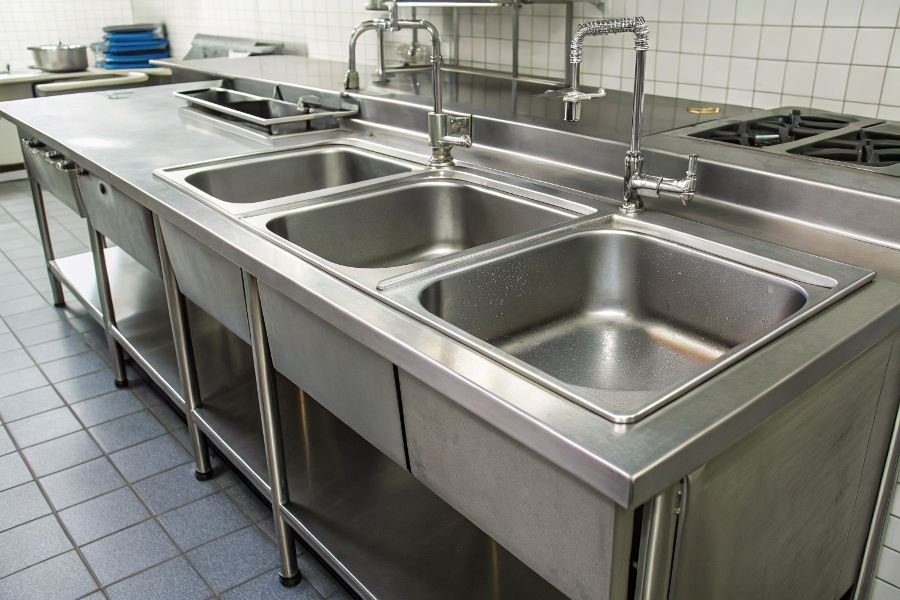
Heavy-Duty Applications: Workshops, utility rooms, and commercial kitchens benefit from the robust construction of floor-mounted models from manufacturers like Kohler or American Standard.
The standalone nature of floor-mounted sinks makes them perfect for spaces where plumbing access needs to remain flexible.
Craftsmen and serious home chefs often prefer the deeper basins and ergonomic height options available in floor-mounted designs, which can accommodate everything from large stockpots to art supplies.
Professional Recommendations Based on Your Needs
When making your final decision, consider these expert-backed guidelines:
| Kitchen Type | Primary Usage | Recommended Sink Type |
|---|---|---|
| Small apartment | Light cooking | Built-in undermount |
| Family home | Heavy daily use | Built-in farmhouse |
| Craftsman workshop | Utility/cleaning | Floor-mounted utility |
| Vintage home | Period-authentic | Floor-mounted apron front |
| Modern minimalist | Sleek aesthetics | Built-in integrated |
Kitchen Size Considerations: For kitchens under 150 square feet, built-in sinks preserve precious counter space. Larger kitchens over 250 square feet can accommodate statement floor-mounted pieces without sacrificing functionality.
Usage Pattern Analysis: Do you batch-cook meals for the week? A deep floor-mounted farmhouse sink might be ideal. Primarily use your kitchen for quick meals? A streamlined built-in will serve you better.
Design Preference Alignment: Beyond function, consider your overall design vision:
- Contemporary: Lean toward undermount or integrated built-ins with clean lines
- Industrial: Consider stainless floor-mounted utility sinks
- Farmhouse: Apron-front sinks work beautifully in both built-in and floor-mounted configurations
- Transitional: Undermount built-ins offer the most design flexibility
The perfect sink choice balances your practical needs with your aesthetic vision. By considering your specific kitchen size, how you’ll use the space, and your design preferences, you’ll select a sink that not only functions flawlessly but also enhances your daily kitchen experience.
Discover the key differences between built-in and floor-mounted washing sinks to make the perfect choice for your kitchen. Compare installation requirements, maintenance needs, and cost factors to find the ideal sink that balances functionality and design.
Discover the key differences between built-in and floor-mounted washing sinks to make the perfect choice for your kitchen. Compare installation requirements, maintenance needs, and cost factors to find the ideal sink that balances functionality and design.