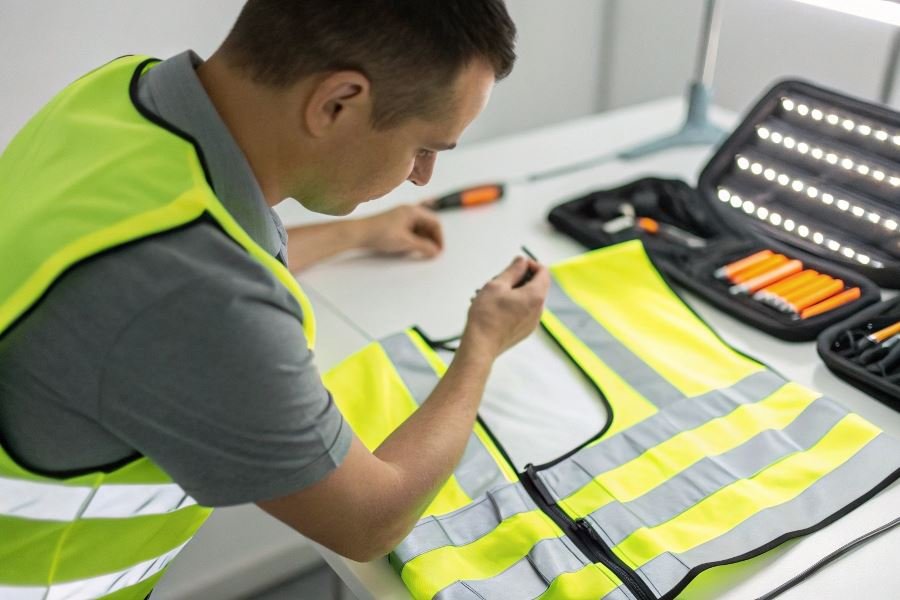
That reflective vest hanging in your closet? It’s not just a piece of safety gear—it’s your visibility insurance policy. When headlights hit those retroreflective strips at night, the difference between being seen or overlooked can literally be life-saving. Yet most owners treat these critical safety tools like ordinary clothing, dramatically reducing their effectiveness over time.
Proper maintenance isn’t optional—it’s essential. A well-maintained reflective vest can retain up to 70% more visibility at night than a neglected one. The retroreflective materials in quality vests are engineered with microscopic glass beads or prismatic patterns that bounce light directly back to its source, but these sophisticated materials require specific care to maintain their reflective properties.
Most high-performance vests combine three key components: a fluorescent background fabric (typically polyester) for daytime visibility, retroreflective strips for nighttime visibility, and fasteners (velcro, zippers, or snaps). Each element responds differently to cleaning agents and environmental exposure.
“The effectiveness of reflective material degrades approximately 5-10% annually under normal use conditions—but improper care can accelerate this degradation tenfold.”
The maintenance rhythm matters too. Light-duty users should inspect vests quarterly, while those in construction, roadwork, or emergency services should establish monthly inspection routines. The basic principles are straightforward: gentle cleaning, proper storage away from direct sunlight, and regular inspection for damage. These simple habits extend your vest’s life while ensuring it performs when you need it most.
Essential Care Methods for Reflective Safety Vests
Material-Specific Cleaning Techniques
Reflective vests represent a critical safety investment that requires proper maintenance to perform effectively. Different materials demand specific cleaning approaches to preserve both the base fabric and reflective properties. Polyester-based vests, which dominate the market, respond best to gentle hand washing with mild detergent and lukewarm water. The process of maintaining reflective vests through regular cleaning not only extends their lifespan but ensures they remain highly visible in low-light conditions.
For mesh vests, which offer superior breathability in hot environments, use a soft-bristled brush to remove surface debris before washing. Avoid harsh chemicals like bleach or industrial solvents that can deteriorate the reflective strips. High-visibility PVC-coated vests require different treatment—wipe them down with a damp cloth and mild soap solution, never submerging them completely.
Critical cleaning don’ts:
- Never machine wash on aggressive cycles
- Avoid hot water exceeding 105°F
- Skip fabric softeners entirely
- Never wring or twist to remove excess water
After washing, air drying away from direct sunlight preserves reflective properties. Hanging vests on wide, rounded hangers prevents deformation of the shoulders and maintains the garment’s intended shape.
Strategic Storage Solutions
The reflective properties of safety vests can deteriorate rapidly when stored improperly. Ideal storage conditions include cool, dry environments with minimal UV exposure. Folding creates permanent creases that can crack reflective tape over time, significantly reducing visibility.
The difference between proper and improper storage can mean months or years of additional service life.
For optimal preservation:
| Storage Method | Benefits | Potential Issues |
|---|---|---|
| Hanging on rounded hangers | Prevents creasing, maintains shape | Requires vertical space |
| Rolled storage (reflective side out) | Space-efficient, prevents tape damage | May create minor wrinkles |
| Dedicated storage bags | Protects from dust and UV | Additional cost, potential moisture trap if sealed |
Temperature fluctuations accelerate degradation of reflective materials. Store vests between 50-77°F for maximum longevity. Avoid compressed storage in vehicle trunks or toolboxes where heat buildup and pressure can permanently damage reflective elements.
Effective Inspection Protocols
Regular inspection determines when a vest requires cleaning, repair, or replacement. Establish a consistent schedule—monthly for occasional users, weekly for daily wearers. The reflective properties of safety vests require systematic evaluation to ensure they meet safety standards.
The 30/30 test provides a reliable field assessment:
- Position the vest 30 feet away
- Shine a flashlight directly at it for 30 seconds
- Observe the brightness and consistency of reflection
Reflective strips should illuminate evenly without dark spots or diminished brightness. Inspect for these common issues:
- Delamination – Peeling or separation of reflective material
- Abrasion damage – Scratched or worn reflective surfaces
- Color fading – Indicates UV damage to both base material and reflective elements
- Structural integrity – Torn seams, broken fasteners, stretched elastic
Document inspections with dated photos to track degradation patterns over time. When reflective properties diminish below 70% of original brightness, replacement becomes necessary regardless of the vest’s physical condition.
By implementing these systematic care procedures, your reflective safety vest will maintain optimal visibility and compliance with safety standards throughout its service life.
Mastering Long-Term Reflective Vest Maintenance
Reflective vests aren’t just safety equipment—they’re investments that protect lives. Treating them as disposable items isn’t just wasteful; it’s potentially dangerous. Let’s dive into strategic maintenance approaches that transform your vest from a temporary purchase into a lasting safety asset.
Strategic maintenance schedule that works
The lifespan of your reflective vest depends largely on how systematically you care for it. Industry experts recommend this maintenance cadence:
- Weekly inspection: Take 60 seconds to check for tears, loose reflective strips, or fastener damage
- Monthly cleaning: Even when visibly clean, environmental contaminants gradually degrade reflective properties
- Quarterly deep cleaning: Remove stubborn contaminants that regular washing misses
- Biannual retroreflectivity test: Shine a flashlight at the vest in a dark room from 50+ feet away to verify brightness
The difference between a vest that lasts three months versus three years often comes down to consistency, not effort.
This schedule should be adjusted based on usage intensity. Construction workers in dusty environments might need weekly cleanings, while occasional users can extend intervals slightly.
The repair versus replace decision matrix
Not every damaged vest needs replacement. Use this decision framework to make the call:
| Damage Type | Repair When | Replace When |
|---|---|---|
| Reflective strips | Less than 15% degradation | More than 15% degradation |
| Fabric tears | Under 1 inch and away from seams | Multiple tears or near critical seams |
| Fastener issues | Zipper teeth intact but separated | Broken zipper teeth or multiple missing snaps |
| Age-related | Under 3 years with good reflectivity | Over 3 years with any reflectivity loss |
The economics matter too. When repair costs exceed 40% of replacement, the math typically favors a new purchase. However, specialty vests with custom features might justify higher repair investments.
Professional-grade care products worth the investment
The right maintenance products dramatically extend vest lifespan while preserving safety performance:
-
3M Reflective Material Cleaner: Engineered specifically for microsphere-based reflective materials, this cleaner removes contaminants without degrading reflective properties. Unlike household cleaners that can strip protective coatings, this formula preserves the critical retroreflective layer.
-
Nikwax Tech Wash: Perfect for the base fabric, this cleaner maintains water-repellency while removing oils and contaminants that household detergents leave behind. The pH-balanced formula prevents premature aging of synthetic fibers.
-
GearAid Seam Grip: This flexible sealant reinforces vulnerable seams and can repair small tears before they expand. The waterproof formula prevents moisture infiltration that can degrade reflective materials from underneath.
Maintenance wisdom: The most expensive vest is the one you have to replace prematurely. A $15 investment in proper cleaning supplies protects a $75-150 safety investment.
With disciplined maintenance, quality reflective vests can remain compliant with safety standards for 3-5 years rather than the 6-12 months many users experience. The difference isn’t just financial—it’s about ensuring consistent protection when you need it most.
Discover essential maintenance tips for reflective vests to maximize visibility, safety, and longevity. Learn proper cleaning methods, storage techniques, and inspection routines to keep your high-visibility gear performing at its best.
Discover essential maintenance tips for reflective vests to maximize visibility, safety, and longevity. Learn proper cleaning methods, storage techniques, and inspection routines to keep your high-visibility gear performing at its best.