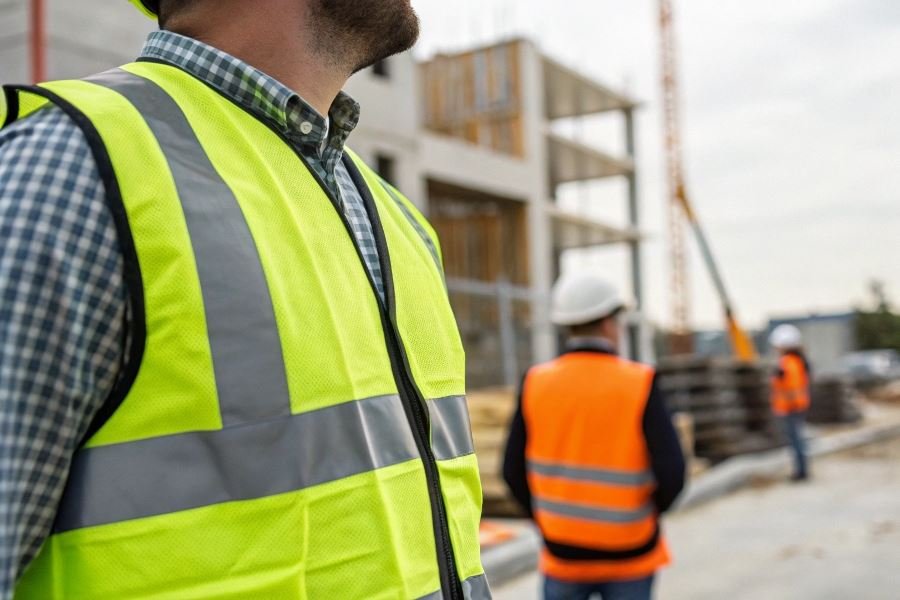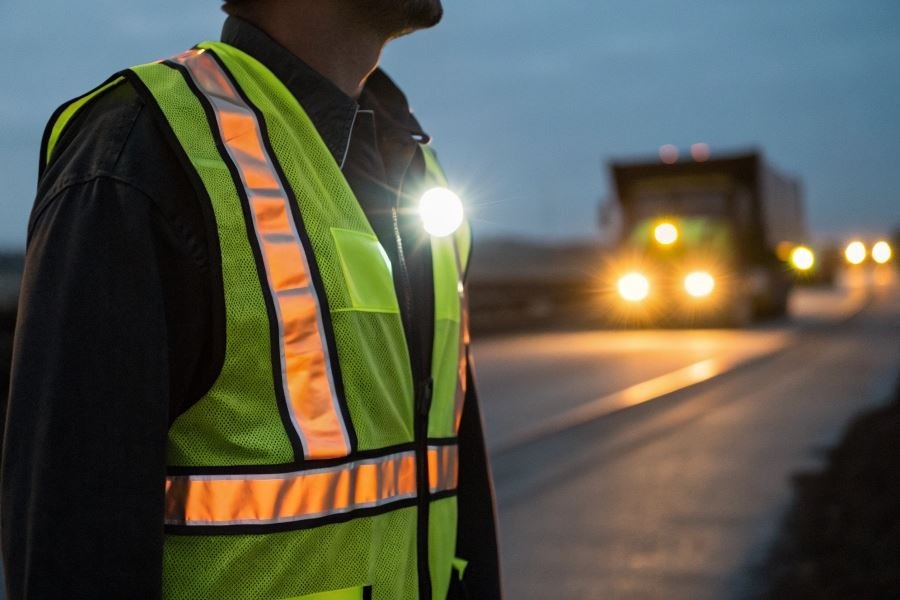
Ever stood on a dark highway and watched headlights approach at 70 mph? In that critical moment, the difference between being seen and being invisible can literally save your life. Night workers face this reality every shift.
Choosing the right reflective vest isn’t just about workplace compliance—it’s about survival. The National Safety Council reports that workers in low-visibility environments face a 300% higher risk of fatal accidents. Your vest isn’t merely equipment; it’s your first line of defense against becoming a statistic.
The science of being seen
Visibility at night depends on retroreflection—the ability of material to return light directly to its source. Quality reflective vests contain microscopic glass beads or prismatic elements that bounce light back to drivers’ eyes, making you visible from up to 1,000 feet away. This critical distance gives drivers the precious seconds needed to react appropriately.
Standards that save lives
Not all reflective gear is created equal. Look for vests meeting ANSI/ISEA 107 standards, which classify visibility garments into Types and Classes based on work environments. Class 2 vests (minimum 775 square inches of reflective material) suit most roadside work, while Class 3 provides maximum visibility for high-speed traffic zones.
Beyond the basics: What truly matters
When selecting your vest, consider:
- Material durability: Will it withstand your work environment?
- Comfort features: Adjustable straps, breathable fabric, and proper sizing prevent the dangerous temptation to remove an uncomfortable vest
- Weather appropriateness: Some vests perform poorly in rain or extreme temperatures
- Additional functionality: Pockets, tool loops, and ID holders can enhance utility without compromising safety
Your reflective vest isn’t just another piece of equipment—it’s your personal lighthouse in dangerous darkness.
Essential Features That Make or Break Your Night Work Vest
When safety meets darkness, your reflective vest becomes your most critical piece of equipment. Selecting the right vest isn’t just about grabbing anything with a shiny strip—it’s about understanding the technical specifications that could literally save your life.
The process of how to choose a reflective vest for working at night starts with understanding industry standards rather than relying on visual appeal alone. Let’s dive into what separates life-saving gear from merely decorative apparel.
ANSI/ISEA Classifications: Your Safety Codebook
The American National Standards Institute (ANSI) and International Safety Equipment Association (ISEA) have established three primary classifications for high-visibility safety apparel:
Type 1: Basic visibility for environments with limited traffic
Type 2: Enhanced visibility for complex work environments
Type 3: Maximum visibility for high-risk situations
Within these types, performance classes further define visibility requirements:
| Class | Minimum Background Material | Minimum Reflective Material | Typical Applications |
|---|---|---|---|
| Class 1 | 217 in² | 155 in² | Parking attendants, warehouse workers |
| Class 2 | 775 in² | 201 in² | Roadway construction, utility workers |
| Class 3 | 1240 in² | 310 in² | Highway workers, emergency responders |
For night work, never settle for anything less than Class 2, with Class 3 being optimal for roadways or high-traffic areas.
Material Matters: Durability Across Environments
The reflective vest that withstands a construction site won’t necessarily perform in a chemical plant. Material selection should match your specific working conditions:
Polyester mesh offers breathability for warm environments but sacrifices some durability.
Solid polyester provides better protection against snags and tears, ideal for construction sites with protruding materials.
Water-resistant coatings become essential for maritime or rainy conditions, preventing the vest from becoming waterlogged and heavy.
For extreme environments, look for vests with flame-resistant properties that meet NFPA 701 standards—particularly important for electrical work or environments with potential fire hazards.
Design Elements: The Science of Being Seen
Visibility isn’t just about reflective material—it’s about strategic placement and comprehensive coverage:
360-degree visibility ensures you’re seen from all angles. Look for vests with reflective strips that wrap completely around your torso and over the shoulders.
Contrast colors dramatically improve daytime visibility. The most effective combinations include:
- Fluorescent yellow-green against dark backgrounds
- Fluorescent orange-red in natural settings
- Fluorescent red in urban environments
The placement of reflective strips should follow the human form, creating what safety experts call the “biomotion effect.” This means strips positioned along major body parts (shoulders, waist, arms) that highlight natural movement patterns, making you instantly recognizable as a human figure even at significant distances.
Adjustability features like side straps or expandable panels ensure your vest stays properly positioned regardless of your movements or the layers underneath. A loose-fitting vest can create dangerous entanglement hazards around machinery.
Remember that fluorescent materials work primarily during daylight hours, while retroreflective materials (those that bounce light directly back to its source) are what make you visible to headlights at night. The best vests incorporate both technologies for round-the-clock protection.
By focusing on these essential features—proper certification, appropriate materials, and thoughtful design—you’ll select a reflective vest that doesn’t just meet minimum requirements but actively contributes to your safety during those critical night hours.
Making the Right Reflective Vest Selection for Night Work
Matching Vest Specifications to Job Requirements
Selecting the perfect reflective vest isn’t just about grabbing anything high-visibility—it’s about understanding your specific work environment. Construction workers need different features than road maintenance crews or emergency responders.
For roadside construction, prioritize vests with 360-degree visibility and Class 3 ratings. These provide maximum coverage with reflective material on shoulders and sleeves, critical when working near high-speed traffic.
Warehouse workers should focus on breathability and mobility. Look for mesh-backed vests with adjustable side straps that won’t interfere with lifting or operating equipment.
Emergency responders need vests with specialized identification panels. Many professional models from 3M include customizable clear pockets for ID badges and additional reflective striping for identification during chaotic situations.
The difference between the right vest and the wrong one isn’t just comfort—it’s safety.
Proper Care and Maintenance for Maximum Longevity
Even the highest-quality reflective vest will fail prematurely without proper maintenance. Follow these essential care practices:
-
Clean according to material type – Most polyester vests can be machine-washed cold, but PVC-coated vests require hand washing with mild soap.
-
Inspect regularly for damage – Check reflective strips for cracks, peeling, or diminished reflectivity. A vest with compromised reflective properties is essentially useless.
-
Store properly – Hang vests in cool, dry locations away from direct sunlight, which can degrade reflective materials over time.
| Maintenance Task | Frequency | Notes |
|---|---|---|
| Visual inspection | Before each use | Look for tears, missing reflective strips |
| Washing | Weekly or when visibly soiled | Follow manufacturer instructions |
| Reflectivity test | Monthly | Shine light on vest in dark room to check effectiveness |
| Full replacement | Every 2-3 years | Sooner if reflective properties diminish |
Top 3 Recommended Reflective Vests for Night Work
After analyzing dozens of options and consulting with safety professionals, these three vests stand out for specific night work scenarios:
For Road Construction: Ergodyne GloWear 8310HL
This Class 3 vest features 3M Scotchlite reflective material with 360-degree visibility and breathable polyester mesh. The adjustable side straps accommodate layers underneath during colder months, while the breakaway design provides emergency release if caught in machinery.
For Utility and Electrical Work: ML Kishigo 1513 Premium
With nine pockets including specialized tool compartments and a mic tab, this vest combines practicality with ANSI Class 2 compliance. The black bottom hides dirt from frequent kneeling, and the D-ring access allows for fall protection integration.
For Emergency Response: Radians SV55 Heavy Duty
This vest withstands the harshest conditions with reinforced stitching and water-resistant materials. Five-point breakaway features ensure safety in emergency situations, while the contrasting trim colors enhance visibility even in low-light conditions.
Remember: The best reflective vest is one that meets your specific job requirements, stays properly maintained, and actually gets worn consistently because it’s comfortable and functional.
Discover essential features for selecting ANSI/ISEA-certified reflective vests that ensure maximum visibility and safety during night work. Learn about proper material selection, strategic reflective strip placement, and maintenance tips for various work environments.
Discover essential features for selecting ANSI/ISEA-certified reflective vests that ensure maximum visibility and safety during night work. Learn about proper material selection, strategic reflective strip placement, and maintenance tips for various work environments.