Ever wondered what’s in that marker you’re using to draw temporary tattoos or label your child’s skin for a field trip? The answer might surprise you—and it should. The difference between a regular marker and a skin-safe one isn’t just marketing; it’s chemistry that directly impacts your health.
Skin-safe markers are specially formulated writing instruments designed to be non-toxic and non-irritating when applied to human skin. Unlike standard markers containing harsh solvents and potentially harmful dyes, these specialized tools use medical-grade pigments and skin-compatible carriers that minimize absorption and allergic reactions.
Safety isn’t optional—it’s essential. When evaluating markers for skin application, three critical factors stand out:
- Toxicological profile – ingredients must be non-carcinogenic and non-mutagenic
- Dermatological compatibility – minimal potential for irritation or sensitization
- Stability – resistance to migration into deeper skin layers
“Understanding marker composition isn’t just for chemists—it’s for anyone who values what touches their largest organ: their skin.”
The composition matters tremendously because your skin isn’t just a surface—it’s a permeable membrane. What you apply doesn’t just sit there; it interacts with your body. The FDA has documented numerous cases where improper skin markers led to complications, particularly in medical settings where they’re used to mark surgical sites.
Key components in skin-safe formulations
Most skin-approved markers contain:
| Component | Function | Safety Consideration |
|---|---|---|
| Food-grade dyes | Provide color | Must be approved for cosmetic use |
| Glycerin or propylene glycol | Solvent carrier | Low skin irritation potential |
| Preservatives | Prevent microbial growth | Minimal sensitization risk |
Knowing what’s in your marker isn’t just smart—it’s your right as a consumer.
The Chemistry Behind Skin-Safe Markers
When artists draw on skin, they’re essentially creating a temporary canvas of self-expression. Understanding what goes into these specialized tools reveals why some markers are safe for skin contact while others should never touch human epidermis. The composition and characteristics of safe markers for skin involve a careful balance of ingredients designed to be gentle yet effective.
Non-toxic Pigments: The Colorful Foundation
Safe markers for skin: composition and characteristics begin with the pigments—the star ingredients that provide vibrant color without compromising safety. Unlike standard markers containing potentially harmful dyes, skin-safe versions utilize:
- Food-grade colorants similar to those found in cosmetics
- FD&C and D&C pigments approved by the FDA for cosmetic use
- Natural mineral-based colors that resist migration into deeper skin layers
These specialized pigments are specifically formulated to remain on the surface level of skin without penetrating the dermis, significantly reducing allergic reaction risks. The molecular structure of these colorants is larger than those found in permanent markers, preventing them from entering the bloodstream.
The best skin-safe markers use pigments that have undergone dermatological testing to ensure they won’t trigger contact dermatitis even on sensitive skin.
Base Ingredients: The Delivery System
The carrier substances in skin-safe markers serve as the delivery vehicle for pigments and determine how the marker feels and performs on skin.
| Base Component | Function | Common Examples |
|---|---|---|
| Aloe Vera | Soothes skin | Crayola Skin Markers |
| Glycerin | Prevents drying | Snazaroo Face Paint Pens |
| Propylene Glycol | Stabilizes formula | Mehron Makeup Markers |
| Denatured Alcohol | Quick-drying agent | TAG Body Art Markers |
These bases must strike a delicate balance—drying quickly enough to prevent smudging but not so rapidly that they irritate the skin. The best formulations include moisturizing components that counteract the drying effects of alcohol-based carriers.
Preservatives and Stabilizers: The Unsung Heroes
Though rarely discussed, preservatives and stabilizers are crucial for maintaining marker safety and performance:
- Antimicrobial agents prevent bacterial growth in water-based formulas
- pH adjusters ensure the marker’s formula remains skin-compatible
- Light stabilizers prevent color degradation when exposed to UV light
- Viscosity modifiers maintain consistent flow and application
These technical components might seem minor, but they’re essential for preventing skin irritation and ensuring consistent performance. For example, phenoxyethanol in concentrations below 1% serves as an effective preservative without the sensitizing potential of parabens.
The science behind skin-safe markers demonstrates the careful engineering required to create products that deliver vibrant color while respecting the skin’s delicate barrier function. When properly formulated, these specialized tools offer artists, face painters, and temporary tattoo enthusiasts a safe medium for creative expression directly on the body’s largest organ.
The Definitive Guide to Safe Skin Markers
When precision meets skin safety, the right marker makes all the difference. The market offers specialized tools designed specifically for direct skin application—each with unique formulations tailored to different needs. Let’s dive into the three premier categories of skin-safe markers that professionals trust and consumers should know about.
Cosmetic-grade markers that beautify safely
Cosmetic-grade markers represent the intersection of makeup artistry and precision tools. These markers contain ingredients that meet strict cosmetic regulatory standards, including:
- FDA-approved colorants similar to those found in quality makeup
- Water-based formulations that resist smudging yet wash off with soap
- Skin-conditioning agents like aloe vera and vitamin E
What makes these markers stand out is their dual focus on performance and skin compatibility. Professional makeup artists rely on these for creating intricate designs at fashion shows, theatrical productions, and special events.
The formulations typically avoid common irritants like parabens, phthalates, and formaldehyde-releasing preservatives. Instead, they incorporate cosmetic-grade pigments suspended in dermatologist-tested carriers that minimize allergic reactions.
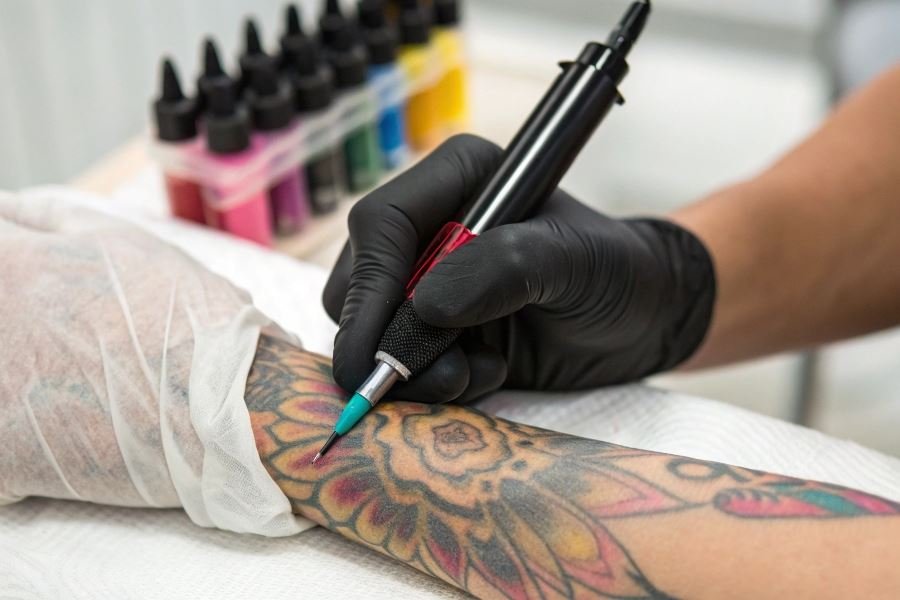
Temporary tattoo markers with staying power
Temporary tattoo markers occupy the sweet spot between cosmetic markers and permanent tattoos. Their formulation science is fascinating:
- Semi-permanent dyes derived from henna or jagua fruit
- Plant-based binding agents that adhere to the skin’s surface layer
- Specialized polymers that resist water while remaining removable
These markers typically last 1-2 weeks, gradually fading as the skin naturally exfoliates. The safety profile centers on using natural colorants rather than synthetic dyes that penetrate deeper skin layers.
| Marker Type | Duration | Water Resistance | Removal Method |
|---|---|---|---|
| Henna-based | 1-3 weeks | Moderate | Natural exfoliation |
| Jagua-based | 1-2 weeks | High | Oil-based cleanser |
| Synthetic | 3-7 days | Variable | Alcohol-based remover |
The best temporary tattoo markers undergo dermatological testing to ensure they don’t cause contact dermatitis or other skin reactions. Artists and festival-goers particularly appreciate these for creating elaborate designs that outlast a weekend but don’t require a lifetime commitment.
Medical-grade skin markers for clinical precision
In healthcare settings, skin markers serve critical functions that demand specialized formulations:
- Gentian violet alternatives that provide antimicrobial properties
- Quick-drying solvents that minimize inhalation exposure
- Surgical-grade pigments visible under operating room lighting
These markers must meet stringent medical device regulations while remaining visible on skin during procedures yet removable afterward. Surgeons use these to mark incision sites, radiologists for marking imaging locations, and wound care specialists for tracking healing progress.
The composition typically includes medical-grade colorants in a fast-evaporating carrier that creates a thin film on the skin surface. This film resists standard surgical prep solutions while remaining visible throughout procedures.
What separates medical markers from other categories is their specialized testing for use in sterile environments and compatibility with medical adhesives and drapes. They’re engineered to maintain line integrity even when the skin is prepped with antiseptic solutions.
Each marker category serves distinct purposes with formulations carefully balanced between visibility, durability, and skin safety. Whether for artistic expression, temporary body art, or medical necessity, understanding these specialized tools helps ensure both effective application and skin health.
Discover the complete guide to non-toxic skin markers, including cosmetic-grade, temporary tattoo, and medical-grade options. Learn about safe pigments, carrier substances, and essential formulations for worry-free skin application.
Discover the complete guide to non-toxic skin markers, including cosmetic-grade, temporary tattoo, and medical-grade options. Learn about safe pigments, carrier substances, and essential formulations for worry-free skin application.