Ever watched someone navigate a busy production line in regular beach sandals? It’s a safety nightmare waiting to happen. In manufacturing environments where heavy machinery, chemical spills, and electrical hazards are daily realities, your choice of footwear isn’t just about comfort—it’s about survival.
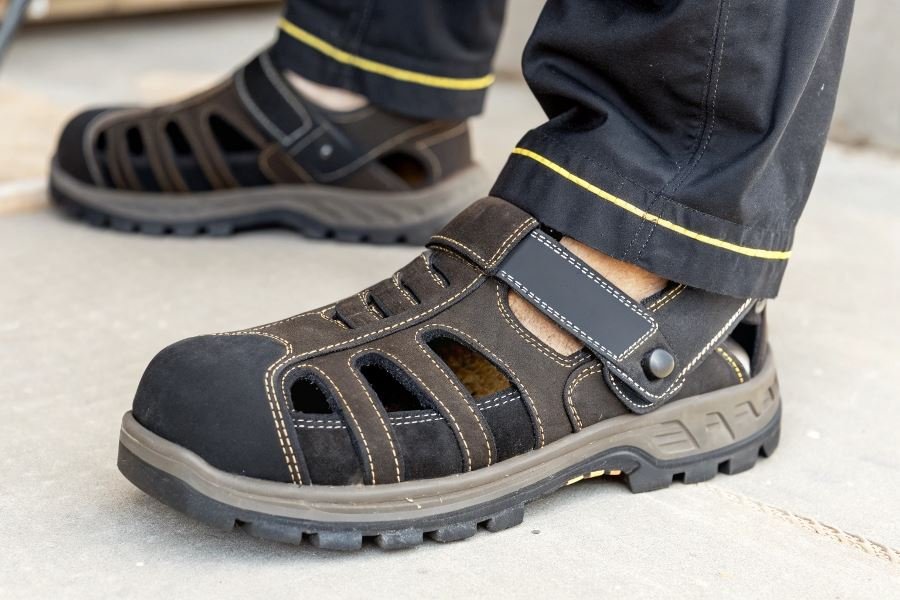
Work flip-flops for production facilities represent a specialized category of industrial footwear designed to balance the breathability and ease of traditional flip-flops with critical safety features required in manufacturing settings. Unlike their beach counterparts, these specialized sandals incorporate reinforced toe caps, slip-resistant soles, and materials that resist punctures and chemical exposure.
“Footwear compliance isn’t optional in industrial settings—it’s mandated by OSHA regulations that have prevented countless injuries since their implementation in 1970.”
The distinction between regular flip-flops and their industrial-grade cousins is stark. While standard flip-flops offer minimal protection with thin rubber soles and flimsy straps, work-specific versions feature:
- Impact-resistant toe protection capable of withstanding up to 75 pounds of falling force
- Anti-static properties that prevent dangerous electrical discharge
- Heel straps that ensure the footwear stays securely in place during movement
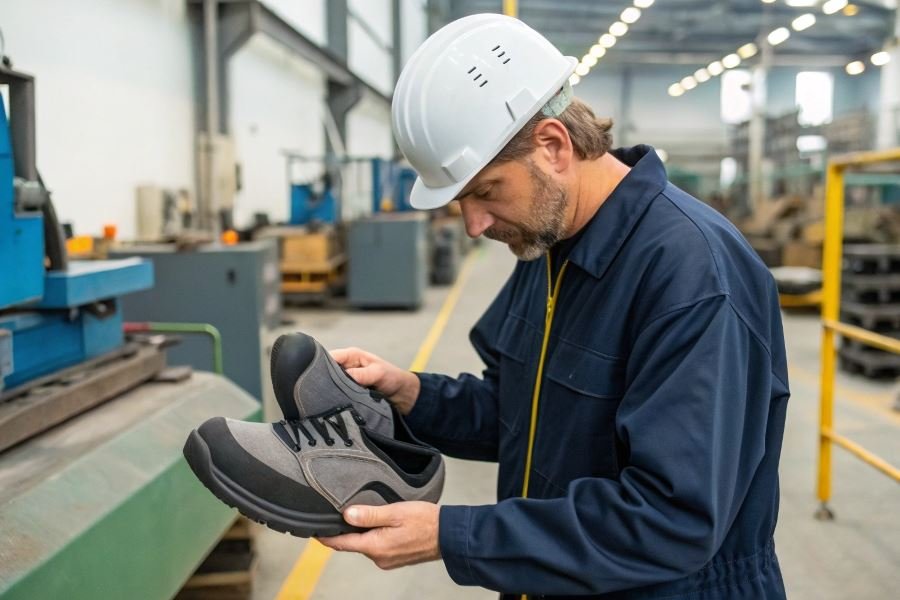
Safety regulations from OSHA and ASTM International establish minimum requirements for protective footwear in various industrial contexts. These standards aren’t arbitrary—they’re written in response to real workplace injuries and designed to prevent them from recurring. Compliance isn’t just about avoiding fines; it’s about ensuring every worker returns home safely at the end of each shift.
Essential Features That Define Superior Work Footwear
When safety meets the factory floor, the humble flip-flop transforms into a specialized piece of equipment that can mean the difference between comfort and injury. Selecting appropriate protective footwear for industrial environments requires understanding specific performance characteristics that address workplace hazards while providing all-day wearability.
The process of how to choose work flip-flops for production facilities involves evaluating several critical safety and durability factors that standard consumer footwear simply doesn’t address. Manufacturing environments present unique challenges—from slippery surfaces to chemical exposure—that demand specialized design features in every piece of protective equipment, including what goes on your feet.
Grip That Won’t Quit: Traction Technology
Slip resistance isn’t optional—it’s essential. Premium work footwear features specialized outsole compounds and tread patterns engineered specifically for industrial environments.
The difference between standard and industrial-grade traction is measurable:
| Traction Feature | Standard Footwear | Industrial-Grade Footwear |
|---|---|---|
| Coefficient of Friction | 0.3-0.5 | 0.6+ (ASTM F2913 tested) |
| Tread Depth | 2-3mm | 4-6mm |
| Oil Resistance | Minimal | Complete surface protection |
| Pattern Design | Aesthetic priority | Multidirectional channels |
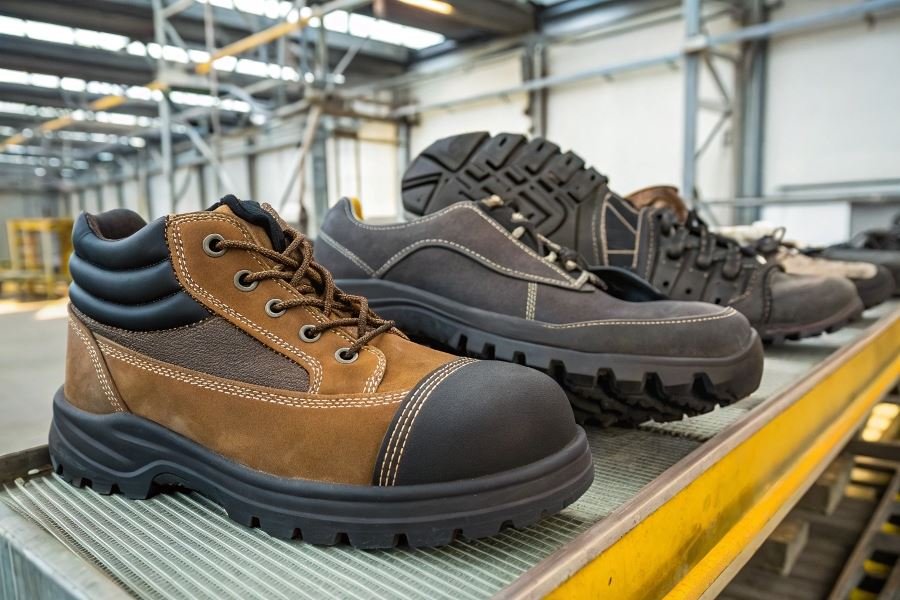
Look for footwear with chevron patterns or multidirectional siping that channels liquids away from the contact surface. Vibram soles and similar technologies offer exceptional grip on wet, oily, and uneven surfaces—critical when navigating production areas with varying floor conditions.
Protection Where It Counts: Impact Defense
The front of your foot faces constant danger in production environments. Quality work footwear addresses this vulnerability through:
- Reinforced toe caps that provide impact protection without the bulk of traditional steel toes
- Metatarsal guards that distribute force across the top of the foot
- Crush-resistant materials that maintain their protective properties even after repeated impacts
For environments with moderate hazards, composite materials offer protection while reducing weight by up to 30% compared to traditional steel components. This translates to less fatigue during extended shifts without compromising safety.
Material Science: Durability Meets Resistance
The chemical cocktail present in many production facilities would destroy standard footwear materials within weeks. Industrial-grade options incorporate:
Materials engineered to withstand industrial environments don’t just last longer—they maintain their protective properties throughout their service life.
Chemical resistance profiles vary dramatically between materials:
- Polyurethane provides excellent resistance to oils, fats, and certain solvents
- Nitrile compounds offer superior protection against petroleum derivatives
- PVC blends resist acids and caustic solutions but may degrade under UV exposure
The upper materials require equal consideration. Microfiber composites offer breathability while resisting abrasion, while sealed seams prevent chemical infiltration that could compromise both the footwear and your skin.
When evaluating durability, examine not just the materials but the construction methods. Double-stitched seams, vulcanized bonds between upper and sole components, and reinforced stress points indicate footwear designed for industrial longevity rather than casual use.
The investment in properly specified work footwear pays dividends in both safety compliance and reduced replacement costs over time. By prioritizing these essential features, you ensure protection that performs when it matters most.
Maximizing Safety and Comfort: The Ultimate Work Flip-Flop Guide
Finding the perfect balance of comfort and support
When spending 8+ hours on your feet, the difference between adequate and exceptional footwear becomes painfully obvious. The best work flip-flops for production environments feature multi-density foam midsoles that conform to your foot’s unique pressure points while maintaining structural integrity. Look for models with deep heel cups that stabilize the foot and reduce pronation during long shifts.
Arch support is non-negotiable in industrial settings. Premium options from brands like Birkenstock incorporate anatomically shaped footbeds that distribute weight evenly across the entire foot, reducing fatigue in the lower back and legs. Their cork-latex core adapts to your foot’s contours over time, creating a custom fit that improves with wear.
The relationship between proper footwear and productivity isn’t theoretical—studies show properly supported feet can reduce fatigue by up to 30% during extended standing periods.
For production workers who transition between different surfaces, flip-flops with shock-absorbing heel pads provide crucial impact protection. Materials like compression-molded EVA offer the ideal balance of cushioning and responsiveness without adding excessive weight.
Maintaining durability in demanding environments
Even the highest-quality work flip-flops require proper maintenance to maximize their lifespan. Establish a regular cleaning schedule using manufacturer-recommended methods—typically a gentle brush with mild soap and water, avoiding harsh chemicals that can degrade materials.
Watch for these critical replacement indicators:
- Visible compression or flattening of the midsole foam
- Worn tread patterns that reduce slip resistance
- Cracking or separation of upper straps
- Asymmetrical wear patterns indicating structural breakdown
Most quality industrial flip-flops maintain optimal performance for 500-700 working hours before critical support structures begin to degrade. This translates to approximately 3-4 months of full-time wear before replacement becomes necessary.
Industry-leading options for production environments
| Brand | Standout Model | Key Features | Best For |
|---|---|---|---|
| OOFOS | OOcloog | Patented OOfoam absorbs 37% more impact than traditional footwear foams; machine washable | Concrete floors, high-impact environments |
| Crocs | Specialist II Vent | Enclosed toe design with ventilation ports; meets workplace safety standards; slip-resistant tread | Chemical processing, food production |
| Keen | Yogui Arts | Antimicrobial treatment; water-resistant; anatomical footbed with arch support | Wet environments, outdoor production |
The OOFOS recovery technology stands out for environments where workers remain stationary for extended periods. Their proprietary foam technology reduces stress on joints while the rocker bottom design promotes natural walking motion, making them ideal for assembly line workers.
For facilities with specific safety requirements, Crocs Professional models offer ASTM F2913 tested slip resistance and enclosed designs that protect against dropped objects while maintaining the easy-on, easy-off convenience of traditional flip-flops.
Keen excels in versatility with their hybrid designs that combine flip-flop convenience with more substantial coverage. Their antimicrobial footbeds prevent odor development—a significant consideration in warm production environments where footwear is worn for complete shifts.
When selecting work flip-flops for your production facility, remember that the initial investment in quality footwear pays dividends through increased productivity, reduced injury rates, and improved employee satisfaction. The right choice balances immediate comfort with long-term support and durability.
Discover how to select safe, compliant work flip-flops for industrial environments with proper slip resistance, impact protection, and chemical durability. Learn key features that balance safety and comfort for production facility footwear.
Discover how to select safe, compliant work flip-flops for industrial environments with proper slip resistance, impact protection, and chemical durability. Learn key features that balance safety and comfort for production facility footwear.