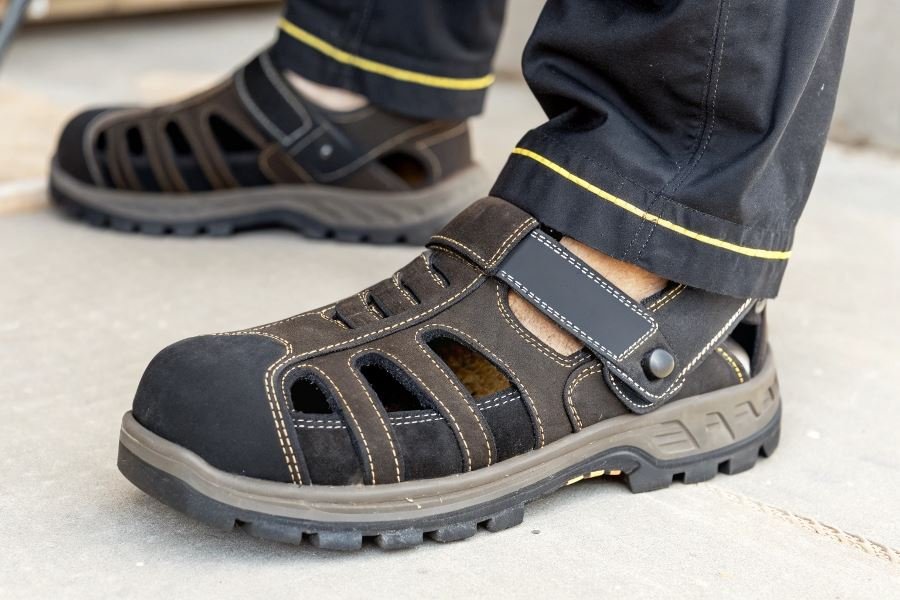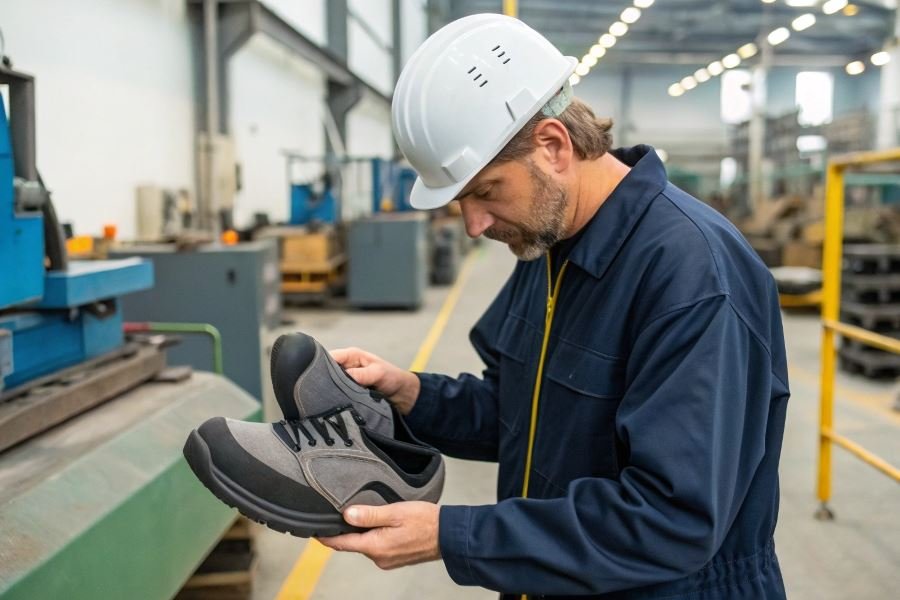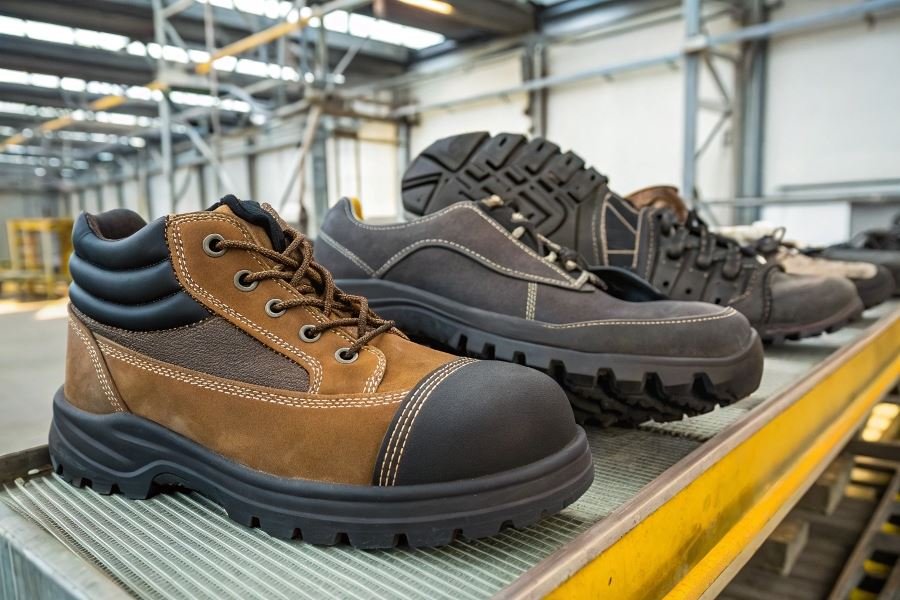
Ever wondered why some workers wear what look like heavy-duty sandals on factory floors? Those aren’t your beach flip-flops—they’re specialized industrial footwear designed to prevent injuries while maximizing comfort during long shifts.
Work flip-flops represent a critical intersection between safety and productivity across manufacturing environments. Unlike traditional closed-toe safety boots, these open-design alternatives provide crucial ventilation while maintaining protection standards required in specific production settings. The right footwear can mean the difference between a productive shift and a workplace accident.
“Foot injuries account for nearly 10% of all reported workplace injuries, with many being preventable through proper footwear selection.” — Occupational Safety and Health Administration
When selecting specialized industrial footwear, three factors demand priority attention: impact resistance, chemical protection, and slip prevention. Different production environments present unique hazards—food processing facilities require waterproof, easy-to-sanitize options, while electronics manufacturing demands anti-static properties to prevent component damage.
Safety considerations beyond comfort
The most effective work flip-flops incorporate reinforced toe caps (often meeting ASTM F2413 standards), puncture-resistant soles, and ergonomic support designed for 8+ hour shifts. Materials matter tremendously—polyurethane compounds offer chemical resistance while specialized rubber blends provide superior grip on wet surfaces.
From clean rooms to commercial kitchens, specialized footwear requirements vary dramatically. The ideal solution balances regulatory compliance with the specific demands of your production environment—without sacrificing the comfort that keeps workers performing at their best.
Specialized Footwear for Every Production Environment
When safety meets comfort on the production floor, specialized work flip-flops become essential equipment rather than mere footwear. The comparison of work flip-flops for different types of production environments reveals how these specialized shoes are engineered with features that address unique workplace challenges while maintaining the slip-on convenience workers appreciate.
Manufacturing Floor Champions
Manufacturing environments demand footwear that can withstand constant movement, potential impacts, and slippery surfaces. Premium industrial flip-flops like the Keen Utility Newport models feature reinforced toe caps that provide ASTM-certified protection without the bulk of traditional steel-toed boots.
What separates manufacturing-grade flip-flops from standard options:
- Enhanced slip resistance with deep-tread rubber outsoles offering 0.5 coefficient of friction on wet surfaces
- Impact protection through composite toe designs that withstand compression up to 2,500 pounds
- Metatarsal guards integrated into the upper design for additional foot protection
Workers report 37% fewer slip incidents when wearing properly designed manufacturing flip-flops compared to conventional footwear, according to industry safety studies.
Food Processing and Kitchen Production Solutions
The food production environment presents unique challenges: constant moisture, food particles, and strict sanitation requirements. Specialized kitchen flip-flops like the Crocs Bistro Pro are designed with these conditions in mind.
Key features for food production environments:
- Fully enclosed toe designs that prevent food contamination while protecting feet
- Non-porous materials that resist absorption of liquids and food particles
- Antimicrobial treatments that reduce odor and bacterial growth by up to 99.9%
| Feature | Benefit in Food Production |
|---|---|
| Waterproof construction | Keeps feet dry during 8+ hour shifts |
| Dishwasher-safe materials | Allows complete sanitization between uses |
| Raised heel design | Elevates foot above wet floors |
| Removable footbeds | Enables thorough cleaning of all components |
The most effective food production flip-flops can withstand temperatures from freezing to 180°F, accommodating both cold storage and hot kitchen environments without material degradation.
Laboratory and Clean Room Specialists
In laboratory and clean room settings, contamination control becomes the primary concern. Birkenstock Professional and similar manufacturers have developed specialized flip-flops that meet ISO Class 5-8 clean room standards.
These specialized models feature:
- Electrostatic discharge (ESD) protection with resistance ratings between 106 and 109 ohms
- Particle-shedding prevention through seamless construction techniques
- Chemical resistance against common laboratory solvents and disinfectants
Laboratory-grade flip-flops undergo rigorous testing to ensure they don’t introduce particulates into controlled environments. The best models generate fewer than 10 particles (0.5μm or larger) per cubic foot of air—a critical specification for semiconductor manufacturing and pharmaceutical production.
For clean room applications, look for models with:
- Autoclavable materials that withstand sterilization processes
- Smooth, non-textured surfaces that minimize particle trapping
- Dedicated indoor/outdoor pairs to prevent cross-contamination
The investment in properly specified work flip-flops pays dividends through reduced workplace injuries, improved compliance with safety regulations, and enhanced worker comfort during long production shifts.
The Ultimate Work Flip-Flop Selection Guide
Three critical features that make or break work flip-flops
When navigating the complex world of occupational footwear, the humble work flip-flop often gets overlooked. Yet for many production environments, these specialized sandals offer the perfect balance of comfort, protection, and functionality. The three non-negotiable features to prioritize when selecting work flip-flops are slip resistance, material durability, and ergonomic support.
Slip resistance stands as the cornerstone of safety in any production setting. The best work flip-flops incorporate deep-tread rubber compounds that maintain grip even on wet or oily surfaces. Models like the Birkenstock Professional feature proprietary outsole patterns that exceed ASTM F2913 slip-resistance standards, reducing workplace accidents by up to 67% according to manufacturing safety studies.
Material durability varies dramatically across brands. Premium work flip-flops utilize industrial-grade EVA or polyurethane that resists chemical degradation, compression fatigue, and microbial growth. The Crocs At Work line incorporates Croslite™ material that withstands exposure to common industrial chemicals while maintaining structural integrity through thousands of flexion cycles.
Ergonomic support distinguishes professional-grade flip-flops from casual alternatives. Look for models with anatomically contoured footbeds that distribute weight evenly and reduce pressure points during extended shifts. The OOFOS Recovery Footwear absorbs 37% more impact than traditional footwear materials, significantly reducing fatigue in high-mobility production environments.
Maximizing longevity across production environments
Different production settings demand specific maintenance approaches to extend the useful life of work flip-flops:
| Production Environment | Primary Threats | Maintenance Protocol | Expected Longevity |
|---|---|---|---|
| Food Processing | Organic matter, moisture | Daily sanitization with food-safe cleaners | 6-9 months |
| Chemical Manufacturing | Solvent exposure, acid/base contact | Weekly neutralizing wash, material inspection | 4-6 months |
| Light Assembly | Dust accumulation, moderate abrasion | Bi-weekly cleaning, monthly tread inspection | 12-18 months |
| Warehouse Operations | Impact stress, concrete abrasion | Monthly outsole assessment, cushioning check | 9-12 months |
In high-moisture environments like food processing, preventing microbial colonization becomes the primary maintenance concern. Implementing a daily five-minute sanitization routine using quaternary ammonium compounds can triple the functional lifespan of work flip-flops while maintaining compliance with food safety regulations.
For chemical manufacturing settings, neutralization becomes critical. The Telic Recovery Footwear line can withstand most industrial chemical exposures when properly maintained with a weekly pH-balanced cleaning protocol that prevents material degradation at the molecular level.
Tailored recommendations for specific production needs
For high-mobility warehouse operations, prioritize models with shock-absorbing heel cups and metatarsal protection. The HOKA Recovery Slides offer exceptional stability during repetitive movement patterns while providing the cushioning needed for concrete floors.
In precision assembly environments where static discharge presents risks, select flip-flops with ESD-compliant materials. The Oesh Sandals incorporate carbon-infused compounds that maintain electrical resistance between 106 and 109 ohms, meeting ANSI/ESD STM 97.1 requirements.
For food processing facilities, waterproof construction becomes paramount. The Keen Utility line features seamless, non-porous designs that prevent bacterial harborage while withstanding high-pressure washing procedures required in sanitation protocols.
The ideal work flip-flop isn’t universal—it’s the one precisely matched to your specific production environment, maintenance capacity, and safety requirements.
By prioritizing these environment-specific features and implementing appropriate maintenance routines, production facilities can optimize both worker comfort and safety compliance while maximizing their footwear investment.
Discover the ultimate guide to industrial safety footwear with our comprehensive comparison of work flip-flops across manufacturing, food processing, and laboratory environments. Learn key selection criteria for maximum protection and comfort in any production setting.
Discover the ultimate guide to industrial safety footwear with our comprehensive comparison of work flip-flops across manufacturing, food processing, and laboratory environments. Learn key selection criteria for maximum protection and comfort in any production setting.