Ever watched a restoration video where decades of rust and grime vanish in seconds? That’s the magic of sandblasting—a process that’s transforming industries from automotive restoration to manufacturing with its precision and efficiency.
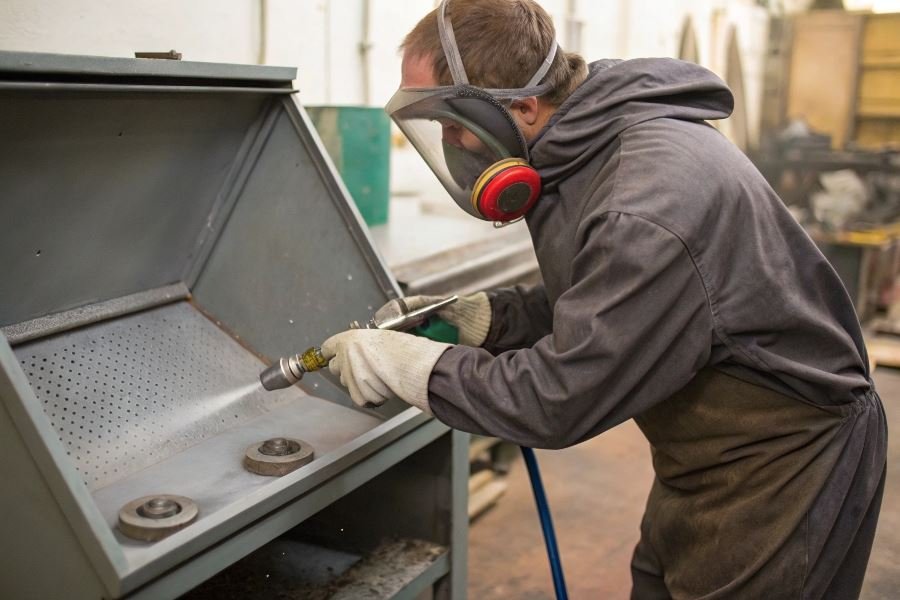
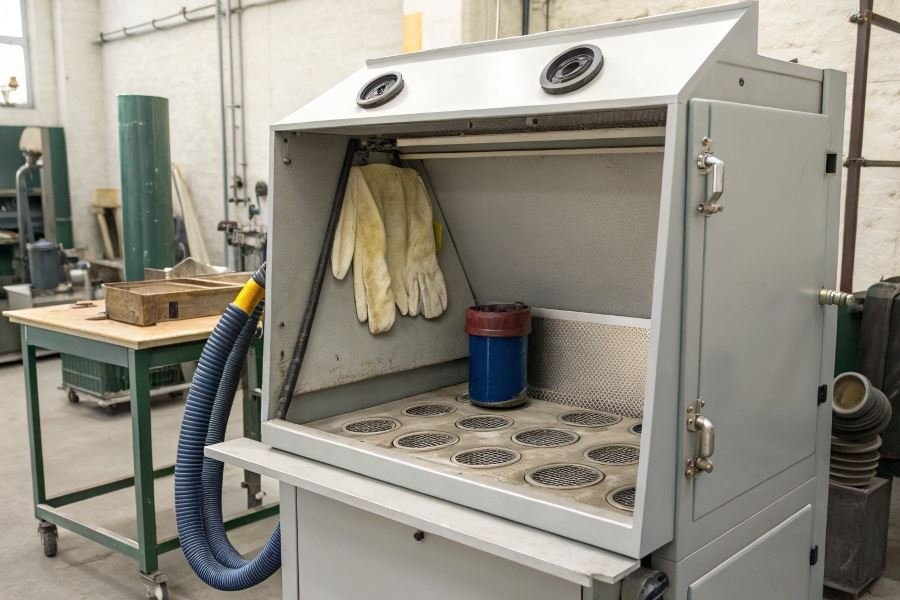
Sandblasting chambers are enclosed workspaces where abrasive materials are propelled at high pressure against surfaces to clean, etch, or prepare them. Unlike handheld blasters, these chambers contain the mess and protect operators from harmful dust while allowing for consistent, professional results. They’re the unsung heroes of metal fabrication, restoration work, and industrial cleaning.
The market for these essential tools has evolved dramatically. Today’s buyer faces choices between pneumatic and pressure systems, various cabinet sizes, and a range of filtration technologies. Premium models from established manufacturers like Clemco and Empire might command 3, 000−8,000, while budget options start around $800—though these often require significant upgrades.
“The right sandblasting chamber isn’t just equipment—it’s a long-term business partner that either accelerates your productivity or becomes an expensive disappointment.”
Making an informed decision matters because the wrong chamber can lead to:
- Health hazards from inadequate dust collection
- Productivity bottlenecks from undersized work areas
- Unexpected costs in maintenance and media replacement
- Quality inconsistencies that damage your reputation
The difference between a strategic purchase and a regrettable one often comes down to understanding not just what you need today, but how your requirements might evolve. Let’s explore what truly matters when selecting this workshop cornerstone.
Technical Specifications That Make or Break Sandblasting Chambers
When investing in industrial equipment, the details separate professional-grade tools from expensive disappointments. Sandblasting chambers represent a significant investment that demands careful consideration of technical specifications before purchase.
For professionals seeking reliable sandblasting chambers, what to pay attention to when buying often comes down to three critical areas: appropriate sizing, construction quality, and effective filtration systems. These factors determine not just performance but also long-term operational costs and worker safety.
Chamber Dimensions That Match Your Workflow
The size of your sandblasting chamber directly impacts productivity and project capabilities. Consider these crucial measurements:
- Interior working dimensions – Not just overall footprint, but usable space
- Door opening width – Must accommodate your largest workpieces
- Weight capacity – Floor reinforcement for heavy components
A common mistake is purchasing a chamber that’s technically large enough for current projects but leaves no room for growth. Always add 25-30% to your current size requirements to accommodate future needs.
| Chamber Type | Typical Dimensions | Ideal Applications |
|---|---|---|
| Benchtop | 36″W × 24″D × 24″H | Small parts, jewelry, restoration |
| Standard | 58″W × 48″D × 65″H | Automotive parts, medium fabrication |
| Industrial | 80″W × 60″D × 72″H | Large components, commercial production |
Material Construction That Withstands Abrasion
The relentless nature of blasting media demands exceptional durability in chamber construction:
The difference between 14-gauge and 12-gauge steel might seem minor on paper, but translates to years of additional service life.
Key construction elements include:
- Steel thickness – Premium chambers use 12-gauge or thicker steel for walls
- Interior lining options – Rubber, polyurethane, or manganese steel for high-wear areas
- Seam construction – Continuous welding versus spot welding
- Window materials – Safety glass thickness and replacement cost
The highest quality chambers from manufacturers like Clemco Industries feature double-wall construction in high-wear areas, significantly extending operational lifespan.
Ventilation Systems That Protect Equipment and Operators
Perhaps no specification impacts both safety and performance more than proper dust collection:
Air exchange rate determines visibility during operation and directly affects blasting efficiency. Industry standards recommend complete air exchange every 60 seconds.
Critical ventilation components include:
- CFM rating – Must match chamber volume (minimum 60× chamber volume per hour)
- Filter media quality – MERV 15 or higher for fine dust particles
- Pulse cleaning systems – Automatic versus manual filter cleaning
- Dust collector capacity – Measured in pounds of media before emptying
The most advanced systems from Donaldson Torit incorporate reverse-pulse technology that extends filter life while maintaining consistent airflow, reducing maintenance costs and downtime.
When evaluating these specifications, remember that initial purchase price often reflects just 30% of lifetime operational costs. Investing in superior technical specifications pays dividends through improved productivity, reduced maintenance, and enhanced operator safety.
Beyond the Basics: Critical Factors for Sandblasting Chamber Selection
When investing in sandblasting equipment, looking past the specifications sheet can make the difference between a purchase you’ll celebrate for years and one you’ll regret within months. The following factors might not appear in the product highlights, but they’ll determine your long-term satisfaction with your sandblasting chamber.
Value engineering not cost cutting
The price tag on a sandblasting chamber tells only part of the story. Professional-grade chambers from established manufacturers like Clemco or Empire Abrasive Equipment typically command premium prices—starting around $8,000 for basic models and reaching $50,000+ for advanced automated systems.
The true calculation involves:
| Cost Factor | Budget Option | Premium Option | Long-term Impact |
|---|---|---|---|
| Initial Investment | $8,000-15,000 | $25,000-50,000+ | Higher upfront cost often means lower total ownership cost |
| Operational Efficiency | 60-70% | 85-95% | Premium systems complete jobs faster with less media waste |
| Maintenance Costs | $1,500-3,000/year | $800-1,500/year | Quality systems require less frequent repairs |
| Resale Value | 20-30% of purchase | 40-60% of purchase | Premium equipment holds value significantly better |
The cheapest option almost always costs more in the long run. A quality chamber with proper dust collection, precise media control, and durable construction will process more work with less downtime—often paying for its premium within 2-3 years of operation.
Maintenance accessibility is non-negotiable
The most sophisticated sandblasting chamber becomes worthless when a critical component fails and can’t be easily serviced. Evaluate maintenance requirements with ruthless pragmatism:
- Access panels should allow reach to all critical components without complete disassembly
- Replacement parts availability—proprietary components can lead to extended downtime
- Consumable components like nozzles, hoses, and seals should be standard sizes from multiple suppliers
- Maintenance intervals for filters, seals, and mechanical components should align with your production schedule
The best-designed systems allow for preventative maintenance during natural production breaks rather than forcing emergency shutdowns.
Manufacturers like Trinco and Media Blast & Abrasive have earned reputations for designing systems where maintenance points are logically arranged and accessible without specialized tools.
Safety features that protect your most valuable assets
Regulatory compliance isn’t just about avoiding fines—it’s about protecting operators and preventing costly incidents. Modern sandblasting chambers should include:
- Proper ventilation systems that maintain negative pressure and capture 99.5%+ of airborne particulates
- Emergency shutdown capabilities accessible from multiple positions
- Interlocked doors preventing operation when improperly secured
- Proper grounding to prevent static electricity buildup
- Appropriate lighting (minimum 80 foot-candles) for visibility during operation
Beyond these basics, look for chambers that meet or exceed OSHA standards for respirable silica exposure (29 CFR 1926.1153) and NFPA guidelines for combustible dust management.
The difference between adequate safety features and exceptional ones often becomes apparent only after an incident—when it’s already too late.
The best sandblasting chambers integrate safety so seamlessly that operators naturally work in compliance with best practices, rather than having to consciously follow burdensome procedures that tempt shortcuts.
Discover the 7 critical factors to evaluate when purchasing a sandblasting chamber, from technical specifications to safety features. Learn how to select the perfect equipment for your industrial cleaning and surface preparation needs.
Discover the 7 critical factors to evaluate when purchasing a sandblasting chamber, from technical specifications to safety features. Learn how to select the perfect equipment for your industrial cleaning and surface preparation needs.