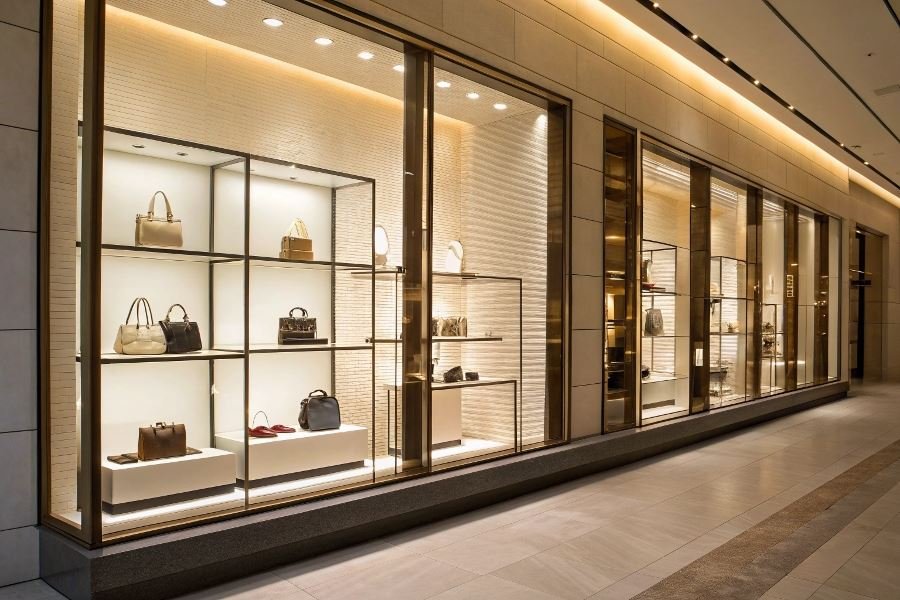
Walk past a storefront that stops you in your tracks, and you’ve just experienced retail’s most powerful yet underestimated marketing tool. Window displays aren’t just glass boxes—they’re storytelling platforms that work 24/7, turning passersby into paying customers.
Retail windows have undergone a remarkable transformation since the early department stores of the 1900s first recognized their potential. What began as simple product arrangements has evolved into sophisticated brand experiences that merge art, psychology, and commerce. Today’s most successful retailers understand that windows aren’t just about showcasing merchandise—they’re about creating moments that resonate emotionally with potential customers.
The psychology behind the glass
Research consistently shows that effective window displays directly influence purchasing decisions. A study by the Retail Design Institute found that strategically designed windows can increase foot traffic by up to 35%. Even more compelling: shoppers who enter a store because of an eye-catching display spend on average 23% more than those who enter for other reasons.
“The window display is the most critical touchpoint in the customer journey—it’s where the relationship begins.” — Martin Pegler, visual merchandising pioneer
From static to strategic
The evolution from traditional to contemporary approaches reflects broader shifts in consumer behavior:
| Era | Approach | Focus |
|---|---|---|
| Traditional | Product-centric | Quantity of items displayed |
| Contemporary | Experience-centric | Emotional connection & brand storytelling |
Modern window design integrates digital elements, interactive components, and sustainability considerations—all while maintaining the fundamental goal of capturing attention and communicating value in seconds. The most successful retailers now view their windows as extensions of their digital presence, creating cohesive omnichannel experiences that bridge online browsing with in-store discovery.
Top 3 Retail Window Trends Reshaping Customer Experience
The storefront window has evolved from a simple product showcase into a powerful brand storytelling platform. Modern trends in retail window design are fundamentally changing how businesses connect with passersby, transforming the humble display window into an extension of the digital experience. Forward-thinking retailers are leveraging these innovations to drive foot traffic and create memorable brand moments before customers even step inside.
Technology-Driven Interactive Displays
The fusion of digital technology with physical window displays has created unprecedented opportunities for customer engagement. Samsung transparent displays and Microsoft motion sensors are enabling retailers to create windows that respond to pedestrian movement, transforming passive observers into active participants.
Real-world applications include:
- Touchscreen overlays allowing after-hours browsing and purchasing
- Motion-activated product demonstrations that spring to life as shoppers approach
- Augmented reality elements that let customers virtually “try on” products through the glass
Luxury retailer Burberry pioneered this approach with their flagship stores, incorporating mirrors that transform into screens showing how clothing items look on the runway. Similarly, Nike has implemented gesture-controlled displays that allow pedestrians to interact with products without entering the store.
“The interactive window is becoming the new front door—a 24/7 brand ambassador that works even when your store is closed.”
Sustainability as Visual Merchandising Strategy
Eco-conscious design elements have moved beyond token gestures to become central components of retail window storytelling. Brands are showcasing their environmental commitments through displays that feature:
- Reclaimed and upcycled materials as display foundations
- Living plant walls and biophilic design elements
- Energy-efficient LED lighting systems with dramatic reduction in power consumption
Patagonia regularly creates window displays using post-consumer materials, while cosmetics retailer Lush incorporates biodegradable elements that decompose after the display period ends.
Sustainability impact comparison:
| Traditional Display Elements | Sustainable Alternatives | Environmental Benefit |
|---|---|---|
| Plastic mannequins | Biodegradable paper forms | Reduced landfill waste |
| Halogen spotlights | LED projection mapping | 80% energy reduction |
| Vinyl backdrops | Living plant installations | Improved air quality |
| Disposable props | Rentable or reusable elements | Circular economy support |
Minimalist Storytelling Through Visual Restraint
The “less is more” philosophy has gained tremendous traction as retailers recognize the power of focused visual narratives. This approach counters digital overwhelm by offering carefully curated moments of calm and clarity.
Key characteristics include:
- Single hero product presentations with dramatic lighting
- Monochromatic color schemes that eliminate visual noise
- Negative space used deliberately to direct attention
- Subtle movement elements that create living sculptures
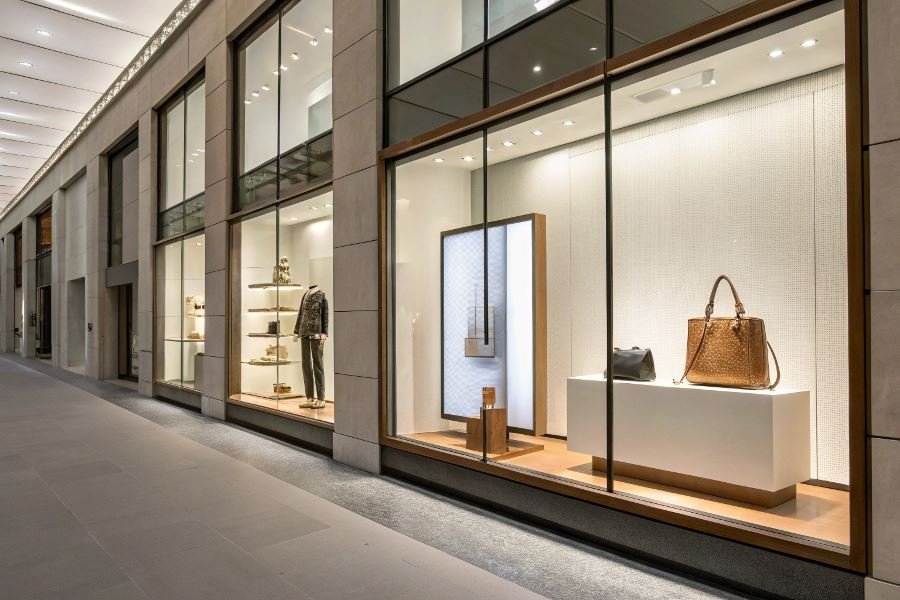
Apple remains the master of minimalist window design, often featuring just one product against a stark background. High-end fashion retailer COS regularly creates artistic installations that communicate brand values through abstract representations rather than product-heavy displays.
The effectiveness of this approach lies in its ability to cut through visual clutter. When pedestrians encounter dozens of storefronts competing for attention, the window that offers a moment of visual respite often captures more meaningful engagement.
These three approaches—interactive technology integration, sustainability-focused design, and minimalist storytelling—represent the vanguard of retail window innovation. The most successful retailers are combining elements from each trend to create distinctive brand experiences that begin before customers cross the threshold.
Implementing Modern Trends for Retail Window Success
Smart strategies that won’t break the bank
Retail window displays remain one of the most powerful yet underutilized marketing tools available to businesses. The good news? Implementing cutting-edge window design doesn’t require a Fortune 500 budget. Small to mid-sized retailers can achieve remarkable results through strategic investments in key visual elements.
Start with lighting—perhaps the most cost-effective upgrade with the highest visual impact. LED technology has revolutionized retail lighting, offering energy efficiency while providing dramatic effects at a fraction of previous costs. A well-placed Philips Hue smart lighting system allows for seasonal color changes and dramatic spotlighting without requiring complete display overhauls.
The average retailer can reduce display refresh costs by 40% through modular design systems while increasing visual impact by 35%.
Modular display components represent another budget-friendly approach. These versatile elements can be reconfigured seasonally, creating fresh looks without purchasing entirely new displays. Companies like Abstracta offer systems that can transform from summer to holiday displays with minimal additional investment.
Digital integration needn’t be expensive either. QR codes linking to product information cost virtually nothing to implement yet provide valuable engagement metrics. Even small retailers can incorporate basic digital elements like tablet displays showing product videos for under $500, creating interactive experiences that were once exclusive to luxury brands.
Measuring what matters in window displays
The true value of window displays lies in their measurable impact on business performance. Modern retailers are moving beyond gut feelings to data-driven display decisions.
Foot traffic conversion remains the gold standard metric. Simple people-counting sensors from providers like RetailNext can measure how many passersby actually enter your store. The industry benchmark suggests effective window displays should convert between 15-25% of foot traffic into store entries.
| Metric | Poor Performance | Average | Excellent |
|---|---|---|---|
| Foot Traffic Conversion | <8% | 15-20% | 25% |
| Dwell Time | <5 sec | 8-12 sec | 15 sec |
| Social Media Mentions | <5/month | 10-20/month | 30/month |
| Display ROI | <1.5x cost | 3-4x cost | 5x cost |
Dwell time has emerged as another critical metric. Heat-mapping technologies can now track how long customers engage with specific display elements, helping retailers optimize their visual storytelling. Studies show that each additional second of engagement correlates to approximately 5% higher purchase probability.
For smaller retailers, social media engagement provides accessible ROI measurement. Tracking hashtags, mentions, and shares related to window displays offers quantifiable evidence of their impact. Encouraging customers to share photos through contests or featured displays can generate valuable user content while providing measurable engagement data.
The window into retail’s future
The retail window display landscape continues evolving at breakneck speed. Several emerging trends point to where smart retailers should focus their attention:
Sustainability is rapidly shifting from nice-to-have to essential. Displays incorporating recycled materials and energy-efficient lighting not only reduce costs but increasingly drive consumer preference. Econyl regenerated nylon and other sustainable materials are becoming standard components in forward-thinking displays.
Personalization technology will transform static displays into dynamic experiences. Facial recognition systems can already adjust displayed content based on viewer demographics, while gesture recognition allows for interactive elements without physical contact—particularly valuable in our health-conscious retail environment.
The integration of augmented reality represents perhaps the most exciting frontier. Blippar and similar platforms enable retailers to create AR experiences triggered by window displays, extending the shopping experience beyond physical limitations.
The most successful retailers will blend these technologies with timeless visual merchandising principles, creating displays that capture attention, communicate brand values, and drive measurable business results—all while controlling costs through strategic implementation.
Discover how interactive technology, sustainability, and minimalist storytelling are revolutionizing retail window displays. Learn implementation strategies that boost customer engagement and sales in today's competitive marketplace.
Discover how interactive technology, sustainability, and minimalist storytelling are revolutionizing retail window displays. Learn implementation strategies that boost customer engagement and sales in today's competitive marketplace.