Ever slammed on your brakes only to feel your vehicle nosedive dramatically? That’s not just uncomfortable—it’s dangerous. Your shock absorbers are failing, and you might not even know it.
Professional shock absorber testing stands have revolutionized vehicle diagnostics, transforming what was once guesswork into precise science. These sophisticated systems evaluate the critical components that keep your tires firmly planted on the road through every curve, bump, and emergency maneuver.
The safety equation is simple: Worn shock absorbers increase stopping distances by up to 20% and dramatically reduce steering control during evasive maneuvers. Unlike engine problems that announce themselves with alarming noises, shock absorber deterioration happens gradually—silent until it’s potentially catastrophic.
The precision advantage
Modern testing stands eliminate the subjective “bounce test” mechanics have relied on for decades. Instead, they provide quantifiable measurements of damping forces, rebound rates, and performance under various load conditions. This data-driven approach identifies issues long before they become apparent during normal driving.
Anatomy of professional testing equipment
Professional shock absorber stands typically feature:
- Load simulation platforms that replicate real-world driving conditions
- Computerized analysis systems that compare performance against manufacturer specifications
- Hydraulic or pneumatic actuators that precisely control testing movements
- Real-time graphical displays showing performance curves
“The difference between a vehicle with properly functioning shock absorbers and one with worn units isn’t just about comfort—it’s about maintaining control when it matters most.”
These testing systems don’t just identify problems; they provide the diagnostic clarity needed for targeted repairs rather than unnecessary part replacements.
The Ultimate Guide to Shock Absorber Testing Equipment
When it comes to vehicle safety and performance, few components are as critical yet overlooked as shock absorbers. The specialized equipment used to evaluate these vital parts has evolved dramatically, offering mechanics and vehicle enthusiasts unprecedented insight into suspension health. Let’s dive into the fascinating world of stands for checking shock absorbers: types and features that are revolutionizing how we maintain and diagnose vehicle suspension systems.
Plate-Type Testing Stands: The Workshop Workhorses
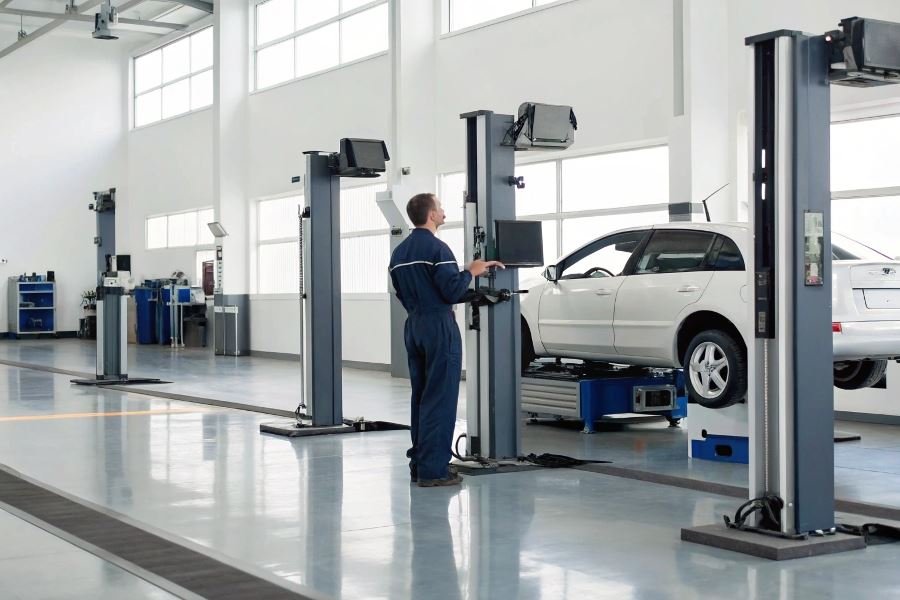
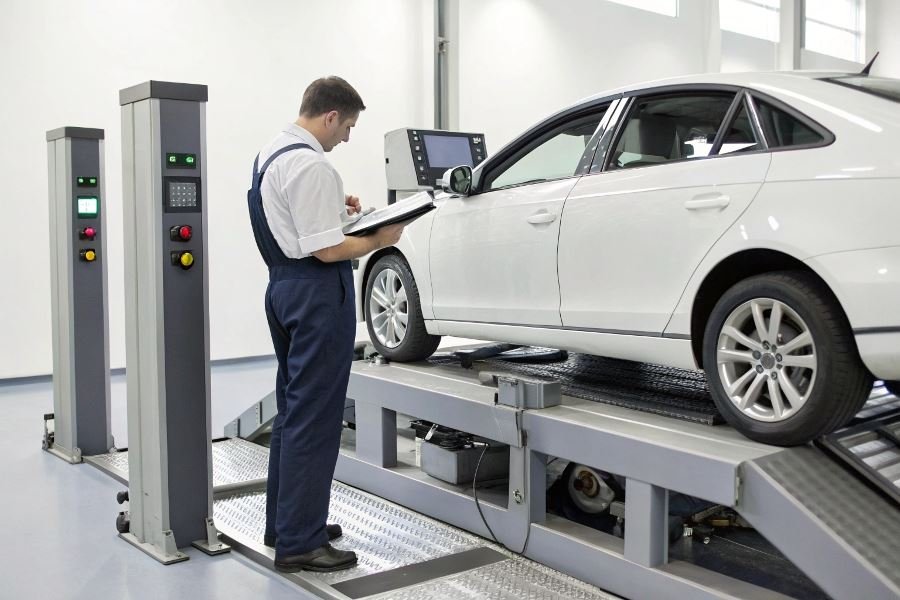
Plate-type shock absorber testing stands represent the gold standard for high-volume testing environments. These systems feature large platforms where vehicles drive onto specially designed plates that oscillate to measure suspension response.
How they work: The vehicle positions its wheels on metal plates that rapidly vibrate at varying frequencies. Sophisticated sensors measure how quickly the suspension dampens these oscillations, providing a comprehensive “damping ratio” that indicates shock absorber health.
The beauty of plate-type systems lies in their efficiency—a complete four-wheel analysis takes under 90 seconds while the vehicle remains fully assembled.
These systems typically cost between 8, 000−25,000 depending on capabilities, but their throughput makes them ideal for:
- Inspection stations
- High-volume repair facilities
- Fleet maintenance operations
Bench-Type Testing Stands: Precision Personified
For shops specializing in suspension work, bench-type testing stands deliver unmatched diagnostic precision.
| Feature | Benefit |
|---|---|
| Isolated testing environment | Eliminates external variables |
| Compression/rebound separation | Identifies specific failure modes |
| Adjustable testing parameters | Customizable for different shock types |
| Force curve generation | Visual representation of performance |
Bench-type stands require removing the shock absorber from the vehicle, but this extra step enables technicians to apply precisely controlled forces and measure the exact response. Modern systems from manufacturers like Hunter Engineering can detect subtle issues that plate-type systems might miss, such as internal valve wear or oil viscosity problems.
Portable Testing Equipment: Field-Ready Solutions
The newest category in shock testing technology brings professional-grade diagnostics to previously inaccessible locations.
Portable shock absorber testing equipment has transformed from simple bounce tests to sophisticated analysis tools. Today’s portable systems typically include:
Accelerometer-based systems that attach directly to the vehicle’s suspension components, measuring oscillation decay rates after a controlled disturbance.
These compact units can fit in a toolbox yet provide 80-90% of the diagnostic capability of larger systems at roughly one-third the price.
Industry insight: The most effective shops often employ a combination approach—using portable equipment for quick assessments and more comprehensive stands for detailed analysis.
The convenience vs. capability tradeoff has narrowed significantly with recent technological advances. Modern portable systems from companies like ATEQ now offer Bluetooth connectivity to smartphones, allowing technicians to capture, analyze, and share suspension performance data instantly.
While they may lack the absolute precision of bench-type stands or the throughput of plate systems, portable equipment excels in:
- Mobile service operations
- Roadside assistance
- Pre-purchase vehicle inspections
- Race day suspension tuning
Each testing stand type serves distinct purposes in the vehicle maintenance ecosystem, with selection depending primarily on volume requirements, precision needs, and operational context.
Selecting the Right Shock Absorber Testing Stand
Essential features that drive testing excellence
When investing in shock absorber testing equipment, certain features separate adequate tools from exceptional ones. Measurement accuracy stands as the cornerstone of any quality testing stand. The best systems deliver precision within ±2% across the entire measurement range, ensuring diagnostics you can stake your reputation on.
Modern testing stands should offer comprehensive data collection capabilities that track force-velocity characteristics, damping coefficients, and rebound/compression ratios. The Hunter Engineering RX-45 exemplifies this with its ability to measure forces up to 15,000 N while maintaining exceptional accuracy.
“The diagnostic capabilities of your testing equipment directly determine your ability to identify subtle performance issues before they become catastrophic failures.”
Digital interfaces have revolutionized testing efficiency. Look for systems with intuitive touchscreen controls and wireless connectivity that allow immediate data transfer to shop management systems. The MAHA MSD 3000 offers Bluetooth integration that streamlines documentation and customer reporting.
Testing versatility remains critical—your stand should accommodate various suspension types from traditional MacPherson struts to complex multi-link systems. The best equipment adapts to passenger vehicles, light trucks, and even performance applications without requiring extensive reconfiguration.
Cost-benefit analysis across stand categories
| Stand Type | Initial Investment | Annual Operating Cost | Testing Speed | Ideal Application |
|---|---|---|---|---|
| Plate-type | $8,000-15,000 | $500-800 | 60-90 seconds | High-volume shops |
| Bench-type | $12,000-30,000 | $700-1,200 | 3-5 minutes | Specialty repair |
| Portable | $3,000-7,000 | $300-500 | 5-8 minutes | Mobile services |
The ROI calculation extends beyond purchase price. Plate-type stands from manufacturers like Hofmann deliver exceptional throughput, processing up to 25 vehicles hourly. While commanding premium pricing ($12,000+), their efficiency generates approximately $35-45 additional revenue per diagnosis when properly marketed.
Bench-type systems offer superior diagnostic depth but require greater technician involvement. Their comprehensive analysis capabilities justify the higher investment for specialty shops focusing on performance vehicles or complex suspension work.
Portable systems present compelling value for mobile operations or shops with space constraints. While sacrificing some measurement precision, their flexibility often outweighs limitations for businesses with diverse service locations.
Maintenance requirements and operational longevity
Preventative maintenance schedules dramatically influence equipment lifespan. Quality stands engineered by Snap-on or BendPak typically require calibration checks quarterly, with comprehensive recalibration annually. This disciplined approach extends operational life from the industry average of 7-8 years to 12+ years.
Hydraulic systems demand more rigorous maintenance than their mechanical counterparts. Fluid analysis should occur semi-annually, with replacement scheduled based on contamination levels rather than arbitrary timeframes. This approach typically reduces long-term operating costs by 15-20%.
Electronic components represent the most common failure points in modern testing equipment. Investing in systems with modular designs allows for component-level repairs rather than complete board replacement. The Bosch SDL series exemplifies this approach with field-replaceable sensor arrays that minimize downtime during repairs.
Consider warranty coverage carefully—premium manufacturers offer 3-5 year protection on mechanical components but often limit electronic coverage to 12-18 months. Extended service agreements typically add 8-12% to the purchase price but can reduce lifetime ownership costs by up to 22% when factoring in potential repair expenses.
Discover professional shock absorber testing equipment for accurate vehicle diagnostics. Compare plate-type, bench-type, and portable stands to find the perfect balance of performance, reliability, and value for your automotive service needs.
Discover professional shock absorber testing equipment for accurate vehicle diagnostics. Compare plate-type, bench-type, and portable stands to find the perfect balance of performance, reliability, and value for your automotive service needs.