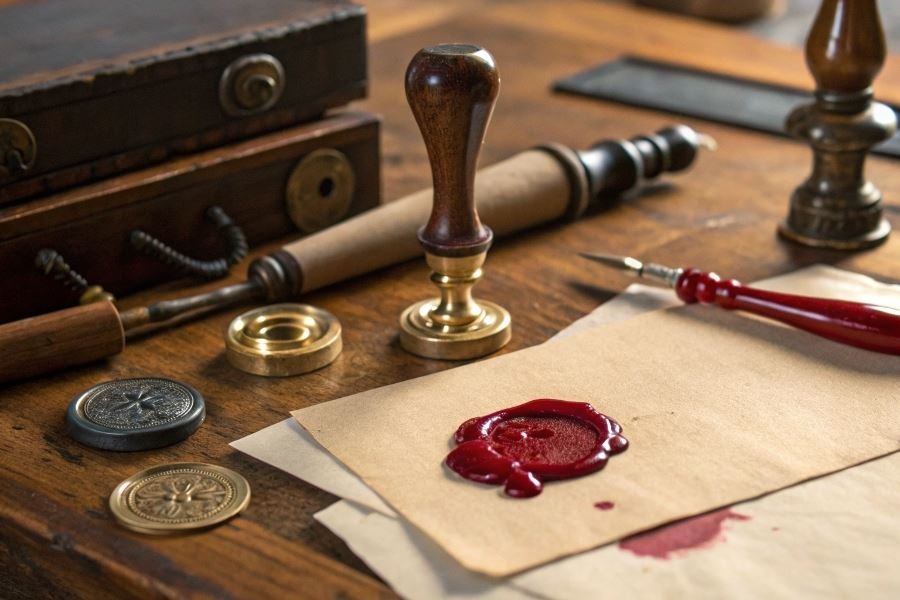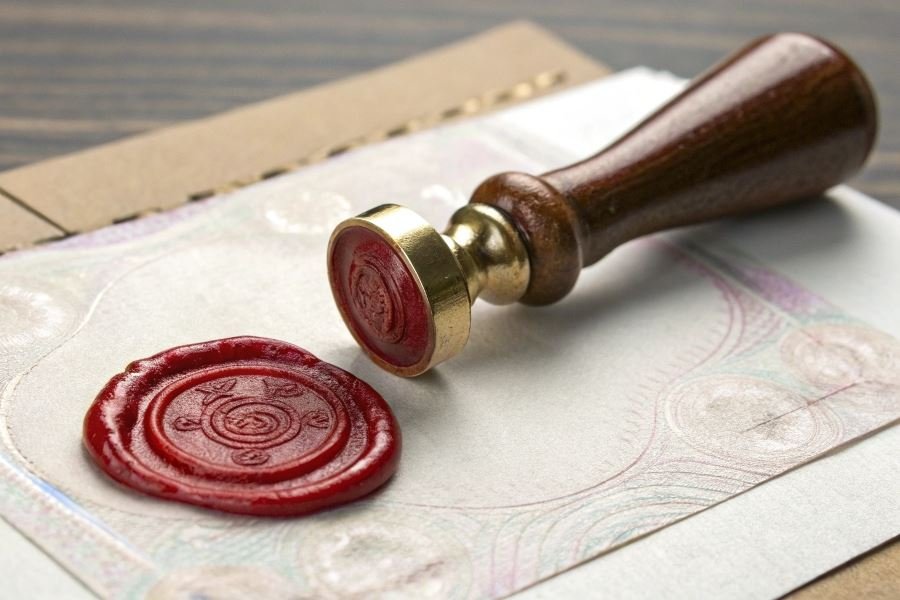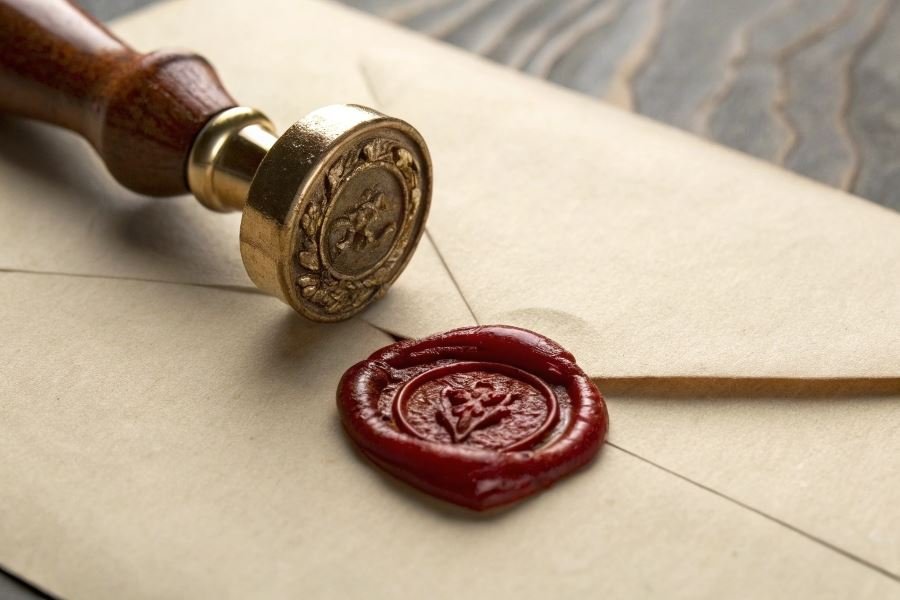
What if the most elegant way to secure your correspondence hasn’t changed in 4,000 years? While emails disappear with a click, a properly executed wax seal transforms an ordinary envelope into a tangible treasure that recipients hesitate to break.
The ancient practice of sealing documents with wax has experienced a remarkable renaissance. What began with Mesopotamian scribes pressing carved stones into clay has evolved through centuries—from medieval monarchs authenticating royal decrees to Victorian-era aristocrats securing their private correspondence. Today, this centuries-old craft has found new life among modern enthusiasts seeking to add distinction and personality to their communications.
For those drawn to this elegant tradition, understanding the criteria for quality in modern sealing wax stamps becomes essential. Unlike mass-produced options that disappoint with shallow impressions and brittle seals, premium wax stamps offer crisp detail, proper depth, and lasting durability. The difference between mediocre and exceptional lies in specific quality indicators that discerning collectors recognize immediately.
The hallmarks of excellence
Quality assessment in modern sealing wax begins with the stamp itself. Superior stamps feature precision-engraved brass or stainless steel dies that capture intricate details. The handle should provide balanced weight and ergonomic comfort, allowing for consistent pressure application. Meanwhile, the wax itself must strike the perfect balance—melting smoothly without excessive dripping, adhering firmly without becoming brittle, and displaying vibrant color that remains stable over time.
For today’s enthusiasts, whether creating wedding invitations, personalized stationery, or collector’s items, these quality indicators aren’t merely preferences—they’re the difference between a fleeting novelty and an enduring art form that connects us to centuries of human history.
The Physical Essence of Quality Wax Seals
When examining a wax seal under bright light, the difference between mediocre and magnificent becomes immediately apparent. The physical properties of modern sealing wax stamps serve as the foundation for their performance, aesthetic appeal, and longevity. Evaluating these tangible characteristics requires attention to material composition, impression quality, and resilience under real-world conditions.
Establishing criteria for the quality of modern sealing wax stamps begins with understanding the physical attributes that separate premium products from disappointing alternatives. Unlike their historical counterparts, today’s wax seals must meet exacting standards while maintaining the timeless elegance that has made them enduring symbols of authenticity and craftsmanship.
Material Composition: The Foundation of Excellence
The material composition of sealing wax represents perhaps the most critical factor in overall quality. Premium wax blends typically contain:
- Natural resins (15-30%): Provides flexibility and adhesion
- Beeswax or synthetic alternatives (20-40%): Creates proper melting characteristics
- Pigments and metallic powders (5-15%): Delivers consistent coloration
- Binding agents (10-25%): Ensures structural integrity
Modern formulations have largely abandoned traditional shellac-based compositions in favor of more durable synthetic blends. The highest quality wax stamps use materials that achieve a delicate balance between malleability when heated and rigidity when cooled.
Purity standards have evolved significantly, with premium products eliminating toxic compounds like lead and mercury that were once common in historical formulations.
Impression Clarity: The Art of Detail Retention
The ability to capture and retain fine details separates exceptional wax seals from ordinary ones. Quality assessment in this area focuses on:
Impression Definition
- Edge sharpness
- Fine detail reproduction
- Consistent depth across the impression
- Absence of bubbling or surface irregularities
Premium wax formulations maintain their molten state long enough to capture intricate details but solidify quickly enough to preserve them. The finest wax seals can reproduce details as small as 0.5mm with crystal clarity, creating impressions that remain legible and visually striking even under close examination.
Durability: Surviving the Journey
Perhaps the most practical quality criterion is a wax seal’s ability to withstand shipping and handling conditions. Modern sealing wax must demonstrate:
| Durability Factor | Standard Quality | Premium Quality |
|---|---|---|
| Impact resistance | Minimal cracking under light pressure | Maintains integrity under moderate impact |
| Temperature stability | Functional between 40-90°F | Remains intact from 20-120°F |
| Flexibility | Slight bend before breaking | Can flex 15-20° without damage |
| Adhesion strength | Adheres to paper with moderate security | Creates strong bond with multiple surfaces |
The most impressive modern formulations incorporate elastomers that allow the seal to flex rather than shatter when bent or compressed. This represents a significant advancement over traditional brittle wax compositions, making today’s premium products suitable for mail delivery systems that would have destroyed their historical counterparts.
When selecting sealing wax, these physical criteria provide objective measures of quality that transcend aesthetic preferences. The finest examples combine historical elegance with modern performance capabilities, creating impressions that arrive intact and maintain their visual impact for years to come.
Making the Right Choice: Premium Sealing Wax Stamps Worth Your Investment
The renaissance of sealing wax stamps has transformed them from historical artifacts into modern expressions of craftsmanship and personal branding. After exploring the technical aspects and quality markers, let’s focus on making an informed purchasing decision that balances quality, cost, and long-term value.
Masters of the craft
The sealing wax stamp market features numerous manufacturers, but three consistently deliver exceptional quality that satisfies even the most discerning collectors and professionals:
-
Atelier Gargoyle – Founded by master engraver Thomas Mercer, this boutique workshop produces brass stamps with unparalleled detail. Their custom designs feature 0.01mm precision engraving and hand-polished finishes. Each stamp undergoes a 27-point quality inspection before shipping.
-
Nostalgic Impressions – Combining traditional craftsmanship with modern manufacturing, their premium line features solid brass handles with ergonomic designs. Their proprietary metal alloy heads resist wear while maintaining crisp impressions after thousands of uses.
-
J. Herbin – With a heritage dating back to 1670, this French company offers exquisite rosewood-handled stamps with brass dies. Their time-tested manufacturing process includes hand-finishing by artisans with at least 15 years of experience.
Value proposition beyond price
When evaluating sealing wax stamps, price alone can be misleading. Consider these price-to-quality factors:
| Price Range | Expected Quality Features | Typical Lifespan |
|---|---|---|
| $15-30 | Zinc alloy construction, basic designs, functional | 2-3 years with regular use |
| $45-75 | Solid brass construction, detailed engraving, wooden handles | 5-10 years |
| $80-200+ | Premium materials, custom designs, heirloom quality | Generational (20+ years) |
The difference between a $25 and $85 stamp isn’t just aesthetic—it’s measured in decades of reliable use.
The mid-range ($45-75) often represents the sweet spot for most users, offering professional quality without the premium associated with bespoke craftsmanship. However, if you’re using your stamp for business correspondence or significant personal communications, the investment in a higher-tier product typically pays dividends in consistency and impression quality.
The long view on wax stamps
Quality sealing wax stamps represent more than just a purchasing decision—they’re an investment in both functionality and heritage. Consider these long-term value factors:
-
Appreciation potential – Well-crafted stamps from established makers often maintain or increase in value, particularly limited editions or those with historical significance.
-
Impression consistency – Premium stamps maintain their detailed impressions without degradation, ensuring your personal or business brand remains consistent over years of use.
-
Adaptability – Higher-quality stamps typically work with a wider range of wax formulations, from traditional stick wax to modern flexible formulas.
-
Heirloom quality – A properly maintained premium stamp can become a family heirloom, carrying personal or family crests across generations.
The most compelling argument for investing in quality comes from long-term users who report that premium stamps actually reduce costs over time. While a $150 custom brass stamp represents a significant initial investment, its per-impression cost over a decade of use makes it remarkably economical compared to replacing lower-quality alternatives every few years.
The true value of a quality sealing wax stamp lies not just in its immediate impression, but in its ability to reliably deliver that same impression thousands of times over decades of use.
Discover the 7 essential criteria for selecting premium sealing wax stamps, from material composition to impression clarity. Learn how to evaluate quality and durability for authentic, elegant correspondence that stands the test of time.
Discover the 7 essential criteria for selecting premium sealing wax stamps, from material composition to impression clarity. Learn how to evaluate quality and durability for authentic, elegant correspondence that stands the test of time.