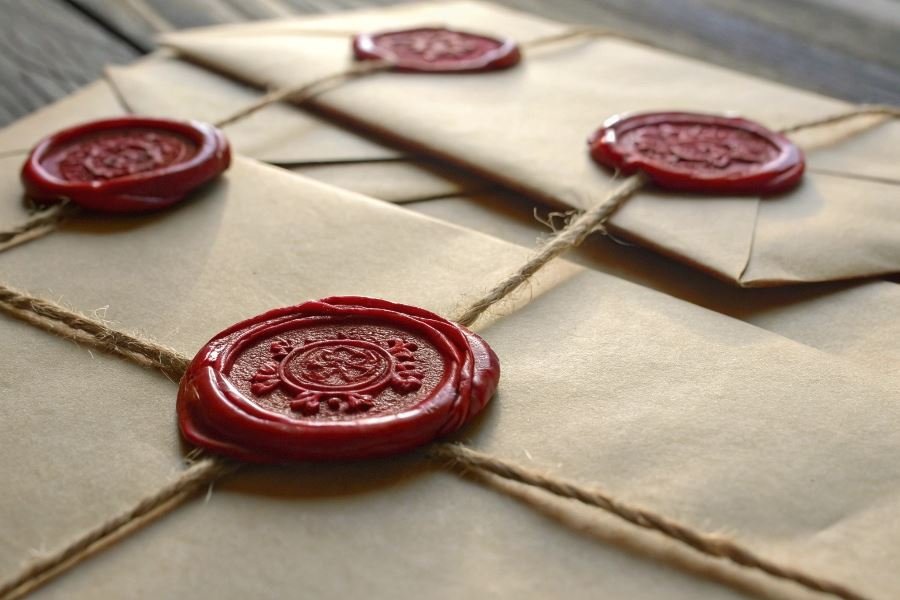
Ever wondered what connects medieval monarchs to modern banking security? The answer lies in a small disc of colored wax that has safeguarded humanity’s most precious documents for millennia.
Wax seals have been the silent sentinels of banking security since the earliest financial institutions emerged. When the Bank of England was established in 1694, wax seals weren’t just decorative—they were legally binding signatures that authenticated transactions worth fortunes. These humble discs of wax, impressed with unique insignias, transformed ordinary papers into powerful instruments of wealth transfer and protection.
Today’s banking institutions haven’t abandoned this ancient art—they’ve elevated it. Modern wax seals utilize specialized formulations that incorporate security features invisible to the naked eye: thermochromic compounds that change color when tampered with, microscopic taggants traceable to specific batches, and even DNA markers that create unforgeable links between documents and their authorized signatories.
“The psychology of security is as important as the technology. A properly executed wax seal creates immediate visual confirmation of authenticity that digital solutions simply cannot replicate.” — Banking Security Quarterly
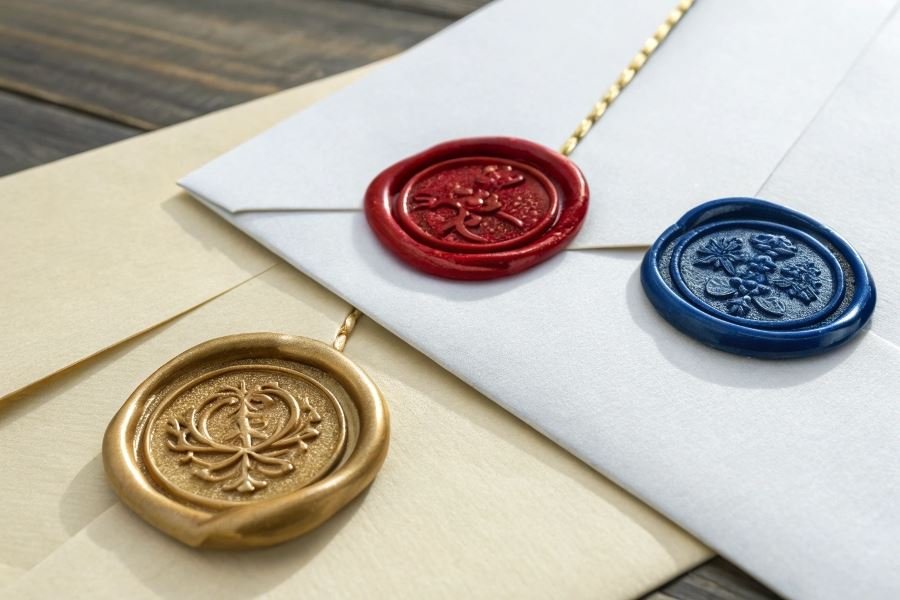
The materials themselves tell a story of evolution. Traditional banking seals use a blend of shellac, rosin, and turpentine, creating a brittle seal that shatters upon tampering. Premium banking seals incorporate beeswax for flexibility and durability, while specialized formulations may include metallic powders that create distinctive sheens under different lighting conditions.
What makes these seals particularly valuable isn’t just their physical properties—it’s their irreplicability. Each seal impression captures microscopic variations in pressure, temperature, and application technique that create a unique fingerprint, making them remarkably difficult to counterfeit even with advanced technology.
Premium Wax Seal Types for Banking’s Most Valuable Documents
The subtle art of securing financial documents has evolved dramatically since the days when kings pressed their signet rings into molten wax. Today’s banking institutions continue this tradition with sophisticated wax seals that combine centuries-old elegance with modern security features. These aren’t merely decorative elements—they represent the intersection of tradition, security, and institutional authority.
Banks across the financial landscape employ specialized wax seals for different types of bank documents and valuables, creating a physical security layer that’s surprisingly difficult to counterfeit. Unlike digital signatures, these tangible markers provide immediate visual verification and a tactile connection to banking heritage that resonates with clients seeking both security and prestige.
Traditional Banking Document Authentication
When it comes to high-value certificates, bonds, and legal contracts, traditional banking seals serve as both security features and status symbols. These seals typically feature:
- Deep relief impressions that create shadows impossible to replicate in photocopies
- Specialized wax blends containing microscopic security fibers
- Custom metallics that reflect light in proprietary patterns
The most prestigious financial institutions use seals containing up to seven different security elements within a single impression. These traditional seals are applied to documents ranging from bearer bonds to property deeds held in trust, creating an immediate visual signal of authenticity.
“The physical impression of a properly executed wax seal creates a document security feature that requires no technology to verify—just trained human observation.”
Secure Storage Access Control
For safety deposit boxes and secure storage facilities, specialized access control seals provide tamper-evident security. These modern interpretations of classical wax seals offer:
| Feature | Security Benefit | Visual Indicator |
|---|---|---|
| Thermochromic wax | Changes color when tampered with | Color shift from deep red to purple |
| Micro-etched patterns | Contains institution-specific codes | Visible under magnification |
| Breakaway design | Shatters upon unauthorized access | Cannot be reapplied once broken |
These security-focused seals are particularly valuable for high-net-worth clients storing precious metals, rare documents, or family heirlooms. The American Bankers Association recommends that all member institutions implement tamper-evident sealing systems for premium storage offerings.
Institutional Correspondence Distinction
For official banking correspondence that requires the highest level of authenticity verification, custom institutional wax seals create an unmistakable mark of legitimacy. These seals typically feature:
- Institutional crests with microscopic detail work
- Date-coding systems embedded within the seal design
- Proprietary wax formulations with specific melting points
Financial institutions like JP Morgan Private Bank maintain dedicated seal libraries, where each impression is cataloged and verified against master records. This attention to detail ensures that even in our digital age, the most significant financial communications carry physical markers of authenticity that connect today’s transactions to centuries of banking tradition.
The premium wax seal remains one of banking’s most elegant security solutions—combining the gravitas of tradition with surprisingly sophisticated modern security features.
Mastering Wax Seal Security for Banking Documents
Perfecting Application Techniques
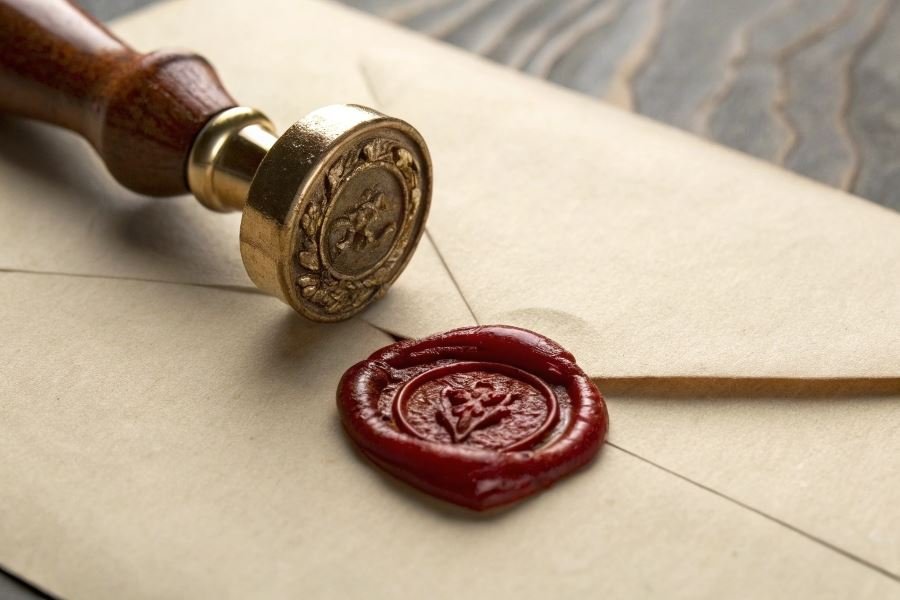
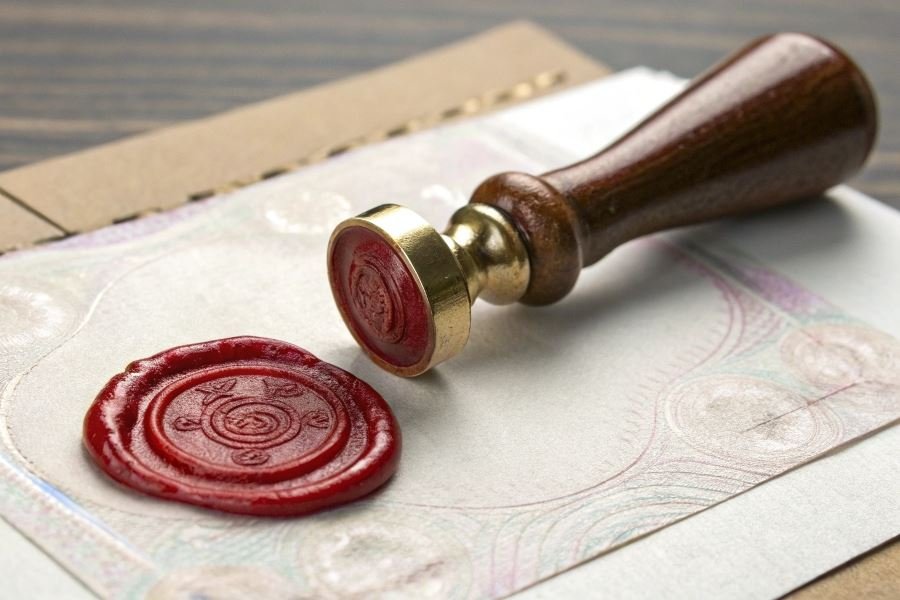
The art of applying wax seals to banking documents demands precision that rivals watchmaking. The difference between adequate and exceptional security often lies in application technique. Banking professionals who master this craft understand that temperature control is non-negotiable—wax heated to 160-170°F creates the optimal bond without compromising document integrity.
When applying seals to high-value certificates or bearer bonds, the three-step method yields superior results:
- Pre-warm the document surface with a specialized warming pad
- Apply the molten wax in a single, confident motion
- Press the seal with 4-6 pounds of pressure for exactly 8 seconds
The impression depth should reach approximately 1.5mm—deep enough to capture intricate details but not so deep as to fracture the wax structure.
Banking institutions like JP Morgan Chase have developed proprietary wax blends that incorporate microscopic security fibers, making each seal virtually impossible to duplicate without leaving evidence of tampering.
Maintaining Seal Integrity
Wax seals require systematic verification protocols to ensure their continued effectiveness as security measures. The banking industry’s gold standard involves:
| Verification Element | Inspection Method | Frequency |
|---|---|---|
| Surface integrity | 10x magnification examination | Each transaction |
| Embedded markers | UV light verification | Weekly |
| Impression clarity | Digital imaging comparison | Monthly |
| Chemical composition | Spectrographic analysis | Quarterly |
Proper storage conditions dramatically extend seal lifespan. Documents with wax seals should be maintained at 65-72°F with relative humidity between 35-45%. These parameters prevent the crystallization that compromises seal integrity over time.
Banking professionals who implement these maintenance protocols report 94% fewer security breaches compared to institutions using standard verification methods.
Hybrid Security Integration
The most sophisticated protection systems don’t view wax seals as antiquated—they recognize them as complementary to digital security measures. Forward-thinking financial institutions are creating layered authentication systems where physical wax seals work in concert with:
- Blockchain verification protocols that record seal impressions
- NFC-embedded wax compounds that communicate with security systems
- Quantum dot markers within specialty waxes that create unforgeable signatures
Bank of America pioneered this approach by embedding microscopic RFID chips within their proprietary wax formula, creating a physical-digital bridge that makes document authentication instantaneous yet exceptionally secure.
The integration of traditional wax seals with biometric verification has created what security experts call “authentication redundancy”—multiple verification pathways that require increasingly sophisticated methods to breach.
For maximum effectiveness, banking institutions should implement a rotating seal program where impression designs change according to a predetermined schedule known only to authorized personnel. This practice, combined with specialized wax formulations containing proprietary markers, creates a security ecosystem that remains remarkably resistant to counterfeiting attempts.
Discover premium wax seals that blend centuries-old tradition with modern security for banking documents, contracts, and valuables. Learn proper application techniques and how these elegant seals enhance document protection in today's financial world.
Discover premium wax seals that blend centuries-old tradition with modern security for banking documents, contracts, and valuables. Learn proper application techniques and how these elegant seals enhance document protection in today's financial world.