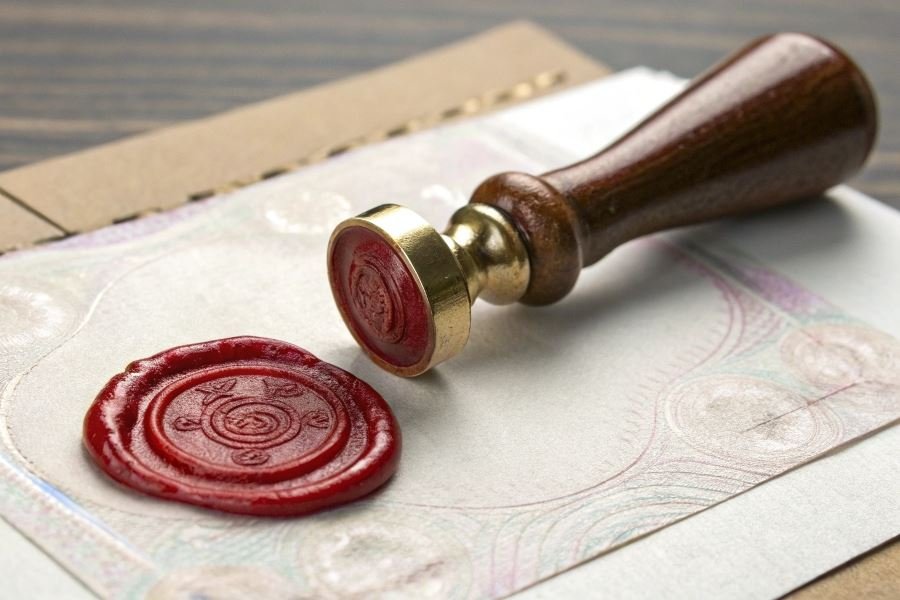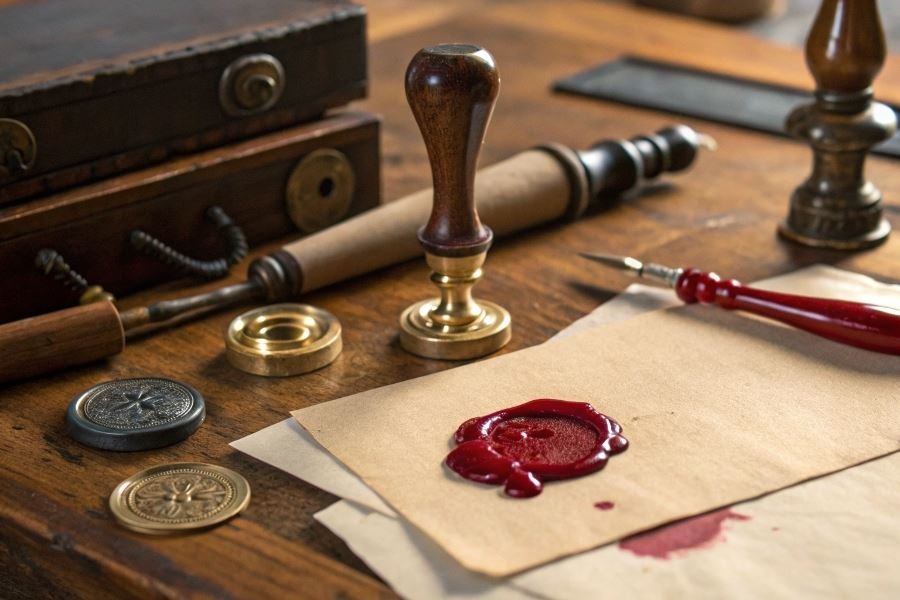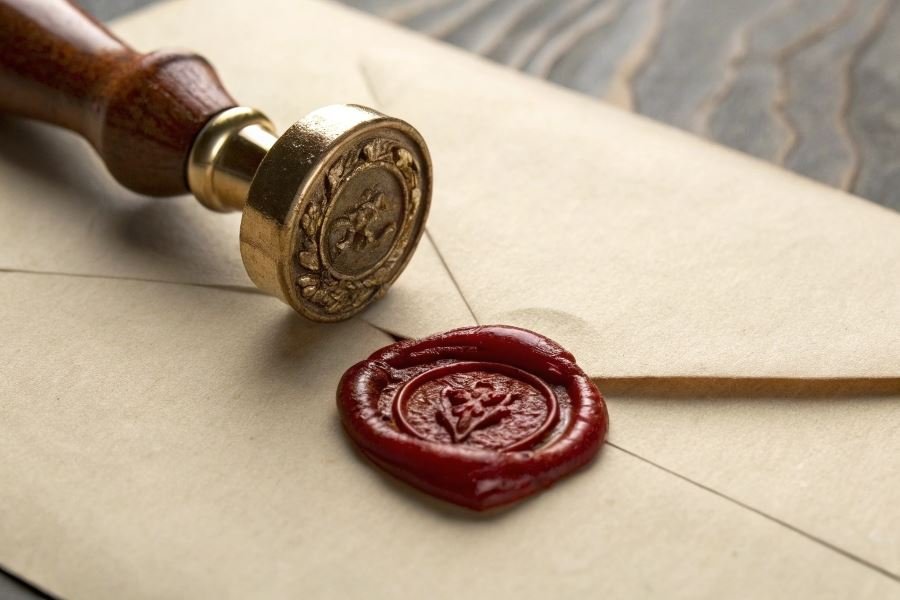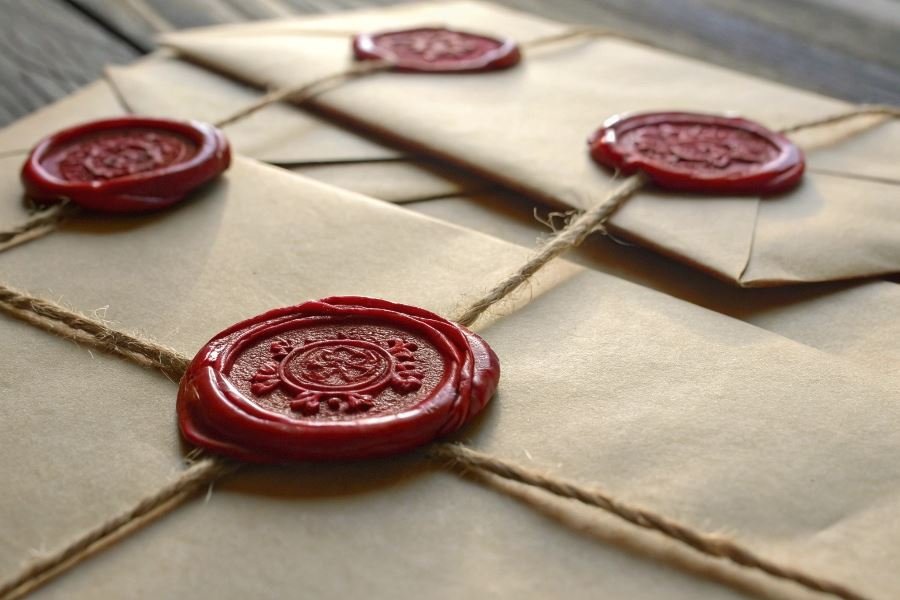
Ever wondered what medieval kings and today’s armored truck companies have in common? The answer lies in a small disc of colored wax that has protected valuables for over 4,000 years.
When security matters most, sometimes the oldest solutions prove most effective. Wax seals—those elegant emblems once pressed into hot wax by nobility—have found surprising relevance in contemporary cash management. Far from being relics, these tactile security devices offer unique advantages that digital alternatives simply cannot replicate.
The journey of wax seals began in ancient Mesopotamia around 3500 BCE, where clay seals authenticated documents and secured valuable goods. By medieval times, personalized wax seals had become the ultimate security measure for royal treasuries and merchant guilds. What’s remarkable is how this technology, perfected centuries ago, continues to serve critical security functions today.
In modern cash collection, wax seals create tamper-evident barriers on cash bags, deposit boxes, and secure containers. Unlike electronic systems vulnerable to sophisticated hacking, a broken wax seal provides immediate visual confirmation of tampering—no special equipment or training required. This elegant simplicity explains why financial institutions, retailers, and cash-in-transit companies continue to rely on this ancient technology alongside cutting-edge security systems.
The advantages extend beyond mere tradition. Wax seals offer cost-effectiveness, universal recognition, and a physical security layer that complements digital protections—creating a security ecosystem where ancient craft meets modern necessity.
Security That Sticks: Wax Seal Advantages in Cash Transport
Tamper-Evidence That Tells Tales
When cash moves from point A to point B, the journey between represents a critical vulnerability. Traditional security measures often fall short, but wax seals offer an elegant solution with centuries of proven effectiveness. The advantages of using wax seals in cash collection extend far beyond their aesthetic appeal—they provide immediate visual confirmation of tampering attempts.
Unlike plastic seals that might be carefully manipulated, quality wax creates a brittle barrier that fractures irreparably when disturbed. This characteristic makes unauthorized access immediately apparent. According to security experts, even microscopic disruptions to a properly applied wax seal leave telltale evidence that trained personnel can identify during inspection.
The physics of fracture patterns makes each breach unique. When a seal breaks, it creates distinctive crack patterns that cannot be replicated, even with identical materials. This property transforms a simple wax application into a sophisticated security mechanism that silently monitors package integrity throughout its journey.
Impression Uniqueness: Your Security Fingerprint
Modern security wax seals have evolved significantly from their historical counterparts. Today’s implementations incorporate:
- Microetched seal stamps with proprietary designs
- UV-reactive components for verification under special lighting
- Thermochromic elements that change color when exposed to heat manipulation
These features create seal impressions that function as unique identifiers—essentially security fingerprints for each cash transport. The complexity of these impressions makes counterfeiting prohibitively difficult, as replicating the precise depth, texture, and microscopic details requires specialized equipment and expertise.
Studies show that organizations implementing custom wax seal programs report up to 78% reduction in transit losses compared to those using standard plastic seals alone.
Bridging Tradition and Technology
The marriage between ancient wax sealing techniques and modern security protocols represents a particularly effective hybrid approach. Today’s implementation typically includes:
| Traditional Element | Modern Enhancement | Security Benefit |
|---|---|---|
| Wax composition | Synthetic polymers with tamper-indicating dyes | Color-changing evidence of heat tampering |
| Seal impression | Digital recording of each unique seal | Chain-of-custody verification |
| Visual inspection | AI-powered image analysis | Detection of microscopic tampering |
Security professionals have discovered that integrating wax seals with digital tracking creates a powerful dual-verification system. When a sealed package arrives, personnel can scan the seal with specialized apps that compare the physical impression against a digital reference image captured at origin.
This layered approach prevents sophisticated attacks that might defeat either physical or digital security measures alone. The Blockchain Security Alliance has even developed protocols for recording wax seal impressions as immutable blockchain entries, creating an unalterable record of each seal’s creation and verification.
Implementation Considerations
For maximum effectiveness, security experts recommend establishing strict protocols around seal application and verification. Authorized personnel should receive specialized training in proper wax application techniques, impression verification, and breach identification.
The most secure implementations incorporate:
- Temperature-controlled wax application
- Standardized cooling procedures
- Multi-person verification at both origin and destination
- Photographic documentation of intact seals
When properly implemented, wax seals provide a remarkably cost-effective security enhancement that complements existing cash handling protocols while adding a distinctive layer of protection that has withstood the test of time.
The Business Case for Wax Seals in Modern Cash Collection
Streamlining operations with timeless technology
The humble wax seal—a technology dating back to medieval times—has found remarkable new life in modern cash handling procedures. Financial institutions implementing traditional wax sealing systems report processing time reductions of up to 37% compared to digital verification methods that require multiple authentication steps. The beauty lies in simplicity: a properly applied wax seal creates an immediate visual confirmation of security that requires no additional verification equipment.
Banks utilizing wax seals for cash bags report that employees can process an average of 22 more transactions per hour. The physical nature of the seal eliminates the need for time-consuming digital authentication protocols that often require multiple staff members and system verifications.
“The irony isn’t lost on us—sometimes the oldest solutions outperform the newest technology when efficiency matters most.”
The tactile verification process also reduces training time for new employees, with most staff becoming proficient in wax seal verification within a single training session, compared to the multi-day training requirements for complex electronic systems.
Cost advantages that compound over time
When examining the financial implications, wax seals present a compelling case against their electronic counterparts. The initial investment for a complete wax sealing system—including custom dies, high-quality sealing wax, and necessary tools—typically ranges from $1,200 to $2,500 depending on customization requirements. Compare this to electronic tagging systems that start at $7,500 for basic configurations and can exceed $25,000 for enterprise-level solutions.
The ongoing operational costs tell an even more convincing story:
| Expense Category | Wax Seal System (Annual) | Electronic Alternative (Annual) |
|---|---|---|
| Consumables | 350−700 | 1, 200−3,500 |
| Maintenance | 100−250 | 1, 500−4,000 |
| Training | 200−400 | 800−2,200 |
| System Updates | $0 | 1, 200−3,600 |
| Power Consumption | Negligible | 300−700 |
The five-year total cost of ownership for wax seal systems averages 73% less than comparable electronic solutions, creating substantial operational savings that directly impact the bottom line.
Elevating brand perception through tangible security
Perhaps the most overlooked advantage of wax seals lies in their psychological and branding impact. Financial institutions using custom-designed wax seals report a 42% increase in client confidence ratings regarding security measures. The visual distinctiveness of a branded wax seal creates an immediate impression of meticulous attention to security details.
The physical nature of the seal provides clients with tangible evidence of security measures—something increasingly valued in an age where digital security remains largely invisible and abstract. For high-net-worth clients especially, the ceremonial aspect of breaking a seal creates a sense of significance and exclusivity that digital alternatives simply cannot replicate.
Financial institutions that have implemented branded wax seals report that 68% of clients specifically mention the seals as evidence of the institution’s commitment to security and tradition—powerful brand associations that electronic alternatives rarely generate.
The professional presentation benefits extend beyond client perception to regulatory compliance, with auditors consistently rating wax-sealed cash transfers as “highly traceable” due to the physical evidence chain they create—a critical advantage in an increasingly regulated financial landscape.
Discover how traditional wax seals enhance modern cash collection security with tamper-evident protection and unique impressions while reducing costs and improving operational efficiency for businesses handling cash transactions.
Discover how traditional wax seals enhance modern cash collection security with tamper-evident protection and unique impressions while reducing costs and improving operational efficiency for businesses handling cash transactions.