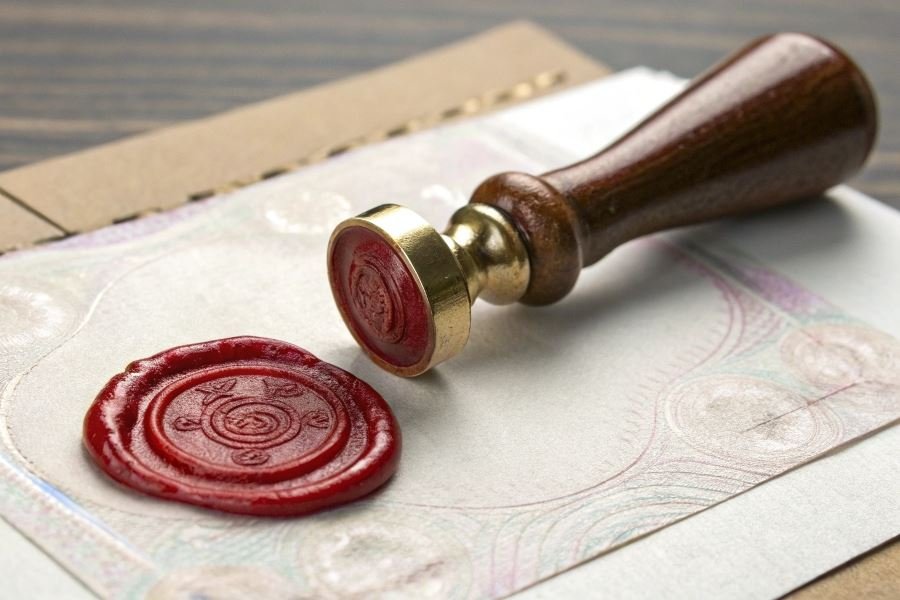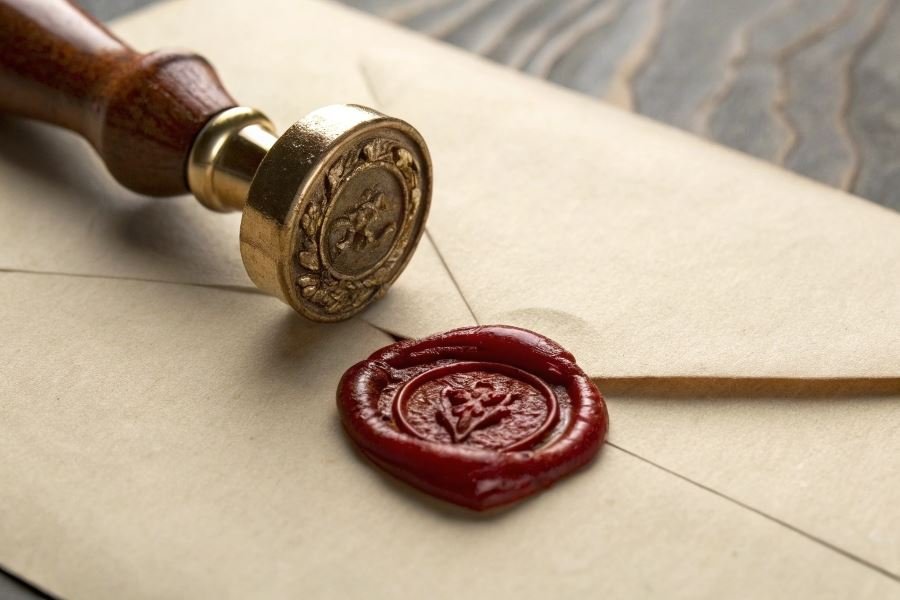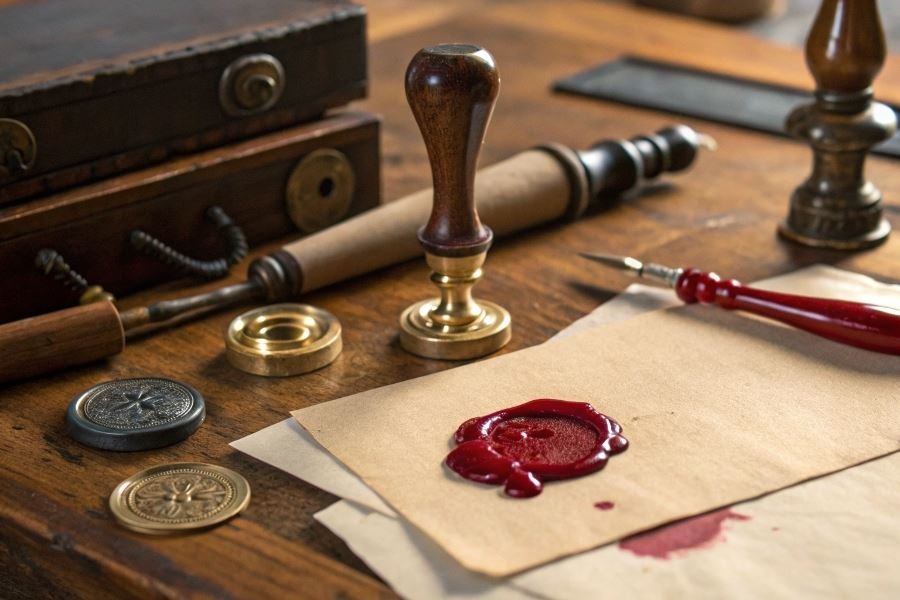
Ever run your fingers over the distinctive impression of a wax seal and felt an immediate connection to centuries past? That tactile experience—simultaneously fragile yet permanent—represents one of history’s most enduring communication technologies, now experiencing a remarkable renaissance in our digital age.
Wax seals originated in ancient Mesopotamia around 3500 BCE, where they served as signatures and authentication marks on clay tablets. By medieval times, they had evolved into sophisticated personal emblems used by monarchs, nobles, and eventually merchants to verify documents and ensure privacy. The distinctive crack of breaking a seal meant you were the first to read a message—an analog “read receipt” that predated email by millennia.
Today’s wax seals blend this rich heritage with contemporary aesthetics. Traditional sealing wax contained beeswax, shellac, and pigments, creating a brittle seal that dramatically shattered when opened. Modern formulations incorporate synthetic resins for flexibility and durability, allowing seals to survive postal machinery while maintaining their elegant appearance.
The applications have expanded far beyond official documents. Businesses seeking to elevate their brand experience use custom seals on premium packaging and correspondence. Wedding invitations adorned with personalized wax emblems instantly communicate sophistication and attention to detail. Artisanal food producers, craft breweries, and boutique wineries leverage wax seals to signal authenticity and craftsmanship.
What makes these small discs of colored wax so compelling? Perhaps it’s their perfect balance of practicality and symbolism—a physical manifestation of intention that transforms ordinary paper into something worthy of ceremony and remembrance.
The Artisan’s Guide to Wax Seal Types and Selection
Traditional Sealing Wax Varieties
The world of wax seals offers remarkable diversity in both form and function. Traditional sealing wax comes in three primary formulations, each with distinct characteristics that influence their application and final appearance. When exploring wax seals: types and features of application become critical knowledge for anyone seeking to master this timeless craft.
Stick wax represents the most traditional format, dating back centuries to when correspondence required secure, tamper-evident closures. These rigid sticks must be melted with an open flame, creating a viscous pool that solidifies quickly. The resulting seal exhibits a glossy finish with exceptional detail retention and a satisfying crack when broken. Modern stick wax typically incorporates synthetic resins that improve durability while maintaining the traditional aesthetic.
Flexible wax emerged as a practical innovation for modern postal systems. Unlike its brittle predecessor, flexible wax contains elastomers that prevent cracking during mail handling. Available in spoon-shaped sticks or pliable rounds, this formulation melts at lower temperatures (approximately 250°F compared to traditional wax’s 300°F) and remains slightly pliable even after cooling. This flexibility comes with a trade-off: slightly less defined impressions compared to traditional formulations.
Bead formulations represent the most user-friendly option in the modern market. These small, uniform pellets melt quickly and evenly in specialized melting spoons or electric wax warmers. The standardized size ensures consistent application volume, making them ideal for beginners and production environments alike. Premium bead wax often includes metallic powders or mica for shimmer effects that catch light beautifully.
Seal Design Categories
The impression design transforms a simple wax blob into a meaningful statement of identity or intention. Three primary design categories dominate the landscape:
Custom monograms remain the quintessential seal design, connecting modern practitioners to aristocratic traditions dating back to the Middle Ages. These personalized initials, often intertwined in elaborate scripts, create an unmistakable signature in wax. Modern monograms frequently incorporate date elements or professional credentials for business applications.
Symbolic imagery leverages universal or personal symbols to convey meaning without words. From family crests to nature motifs, these designs communicate on a visual level that transcends language. Popular symbols include:
| Symbol | Traditional Meaning |
|---|---|
| Oak Tree | Strength, endurance |
| Bee | Industry, community |
| Anchor | Stability, hope |
| Phoenix | Renewal, transformation |
Decorative patterns focus on aesthetic appeal rather than specific meaning. Geometric designs, floral arrangements, and abstract compositions create visually striking seals that enhance packaging or correspondence without requiring personal significance. These versatile designs have fueled the resurgence of wax sealing in luxury product packaging and wedding invitations.
Stamp Materials and Construction
The physical tool creating the impression deserves careful consideration, as material and construction significantly impact both usability and impression quality.
Brass stamps represent the gold standard for serious enthusiasts. Their excellent heat retention allows for proper wax melting during impression, while the material’s durability ensures decades of consistent use. Premium brass stamps from Nostalgic Impressions feature precision-machined dies that capture minute details with remarkable clarity.
Steel construction offers superior hardness for commercial applications requiring thousands of identical impressions. These professional-grade tools maintain crisp edges longer than brass alternatives but conduct heat differently, requiring slight technique adjustments. The weight of steel stamps also provides natural pressure assistance during application.
Wooden handles paired with interchangeable dies combine practicality with versatility. These systems allow users to maintain a single comfortable handle while swapping design elements as needed. The thermal insulation properties of wood prevent heat transfer to the hand, making extended sealing sessions comfortable. Premium wooden handles often feature exotic hardwoods like cocobolo or purpleheart for both functionality and aesthetic appeal.
Mastering the Art of Wax Seal Application
The Perfect Impression Every Time
Creating flawless wax seal impressions isn’t just about melting wax and pressing a stamp—it’s a choreographed process that rewards precision. Start by selecting the appropriate wax type for your project: traditional sealing wax with wick, glue gun wax sticks, or wax beads each behave differently under heat.
For traditional stick wax, hold the wick-lit stick at a 45-degree angle approximately 1-2 inches above your surface. Allow 3-5 drops to pool in a circle about the size of your stamp. Wait precisely 10-15 seconds—timing varies based on wax composition and ambient temperature—then press your pre-chilled metal stamp firmly into the wax for 5-8 seconds before lifting straight up.
For glue gun applications, temperature control becomes critical. Most Glue Guns perform optimally between 250-300°F for wax seals. Apply in a tight spiral pattern from outside to center, creating an even pool before stamping.
The difference between amateur and professional wax seals often comes down to the 10-second window after wax application—too soon and your impression lacks definition, too late and the wax cracks.
Advanced Artistic Techniques
The true artistry in wax sealing emerges through color manipulation and dimensional effects. For stunning color blending, place two different colored wax sticks side by side while melting, allowing their pools to merge before stamping. This creates a marbled effect that adds sophistication to any correspondence.
For embedded elements, the timing sequence is crucial:
| Element Type | Placement Timing | Effect |
|---|---|---|
| Metallic flakes | Before wax cools | Suspended throughout |
| Dried flowers | After initial drop, before stamp | Visible through surface |
| Glitter | Mixed with melted wax | Uniform distribution |
Multi-layered effects require patience and practice. Apply a base layer of wax, allow it to cool completely, then add a smaller diameter second layer in a contrasting color. The result creates a dimensional border that catches light dramatically.
Deckled edges can be achieved by applying your wax seal slightly over the edge of your paper, then carefully tearing away excess once cooled—creating an intentionally rustic, handcrafted appearance that’s particularly striking on handmade papers.
Troubleshooting Like a Professional
Even experienced artisans encounter challenges with wax sealing. When your wax cracks during cooling, the culprit is typically rapid temperature change. Solution: warm your paper slightly before application and cool gradually away from drafts.
Blurry impressions usually indicate one of three issues:
- Stamp wasn’t chilled properly (fix: refrigerate metal stamps for 10 minutes before use)
- Wax was stamped too soon (fix: count to 12 before stamping)
- Uneven pressure during stamping (fix: use a stamping platform for consistent results)
For seals that won’t release cleanly from the stamp, a light application of J. Herbin stamp release agent or a barely perceptible mist of cooking spray on the stamp before use works wonders.
When shipping items with wax seals, protect your work by placing a small cotton ball over the seal before packaging. This prevents pressure and temperature fluctuations from damaging your artistry during transit.
The most common mistake remains inconsistent heating—invest in a temperature-controlled Sealing Wax Melting Pot for projects requiring multiple identical seals, ensuring each impression maintains the same viscosity and depth.
Discover the art of wax sealing with our comprehensive guide covering traditional and modern techniques, material types, and professional application methods. Learn to create stunning seals for correspondence, invitations, and packaging.
Discover the art of wax sealing with our comprehensive guide covering traditional and modern techniques, material types, and professional application methods. Learn to create stunning seals for correspondence, invitations, and packaging.