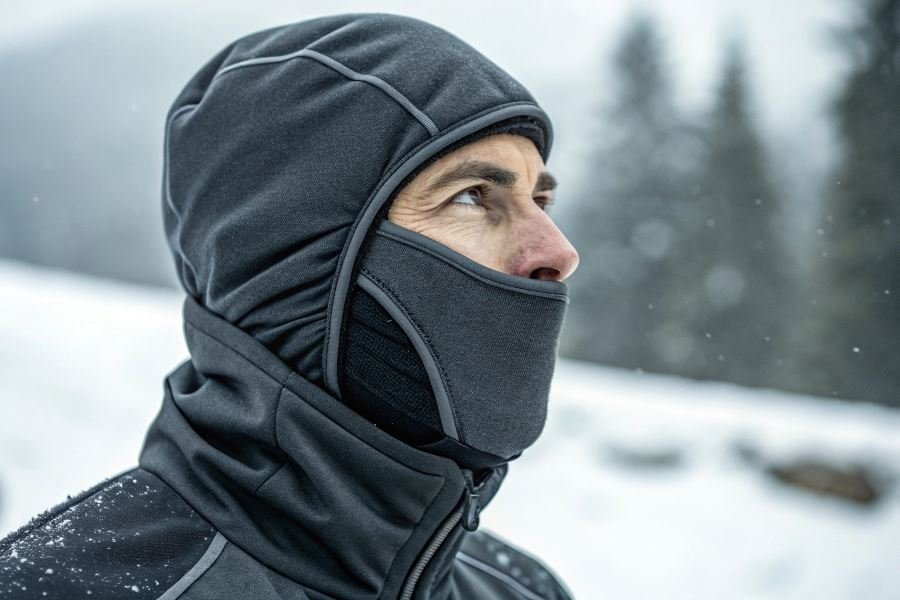
At -20°F, exposed facial skin can freeze in just 30 minutes. Yet countless workers brave these conditions daily, often with inadequate protection. The humble balaclava—once primarily associated with military operations and winter sports—has emerged as essential safety equipment for cold-weather professionals.
Choosing the right balaclava isn’t merely about comfort—it’s about preventing frostbite, hypothermia, and maintaining productivity when temperatures plummet. The difference between a quality face covering and an inadequate one can mean the difference between completing your workday safely or suffering painful cold-related injuries.
The balaclava spectrum: More than just “ski masks”
Balaclavas come in surprising variety, each designed for specific conditions:
- Lightweight single-layer designs offer basic wind protection for moderate cold
- Mid-weight thermal options balance breathability with insulation
- Expedition-grade balaclavas featuring windproof panels and moisture-wicking technology
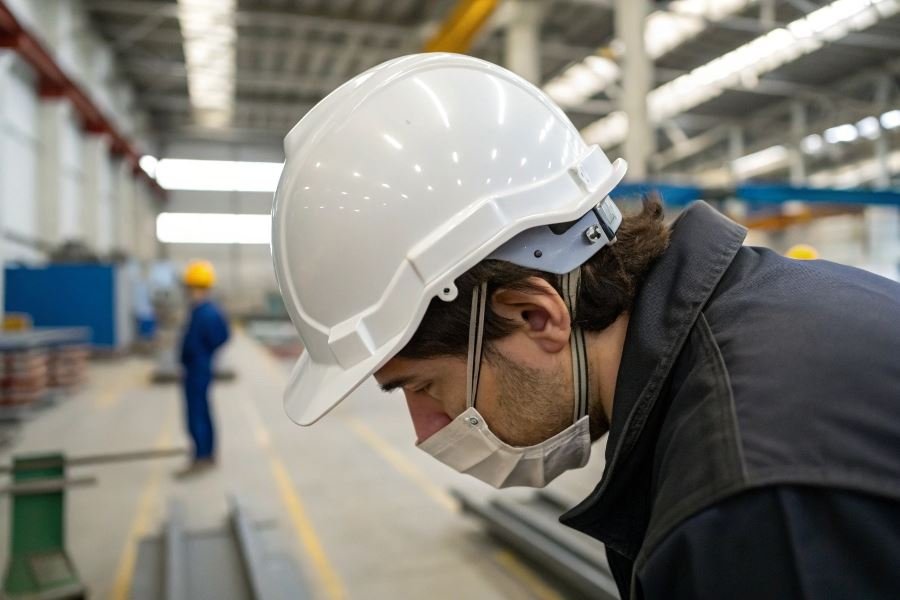
Construction workers, utility technicians, and delivery personnel face different challenges than recreational winter enthusiasts. Your workplace environment dictates specific needs—whether that’s compatibility with hard hats, breathability during strenuous activity, or extreme insulation for stationary work.
Critical selection factors for workplace protection
Three elements should guide your selection:
- Material composition – Merino wool provides natural temperature regulation while synthetic blends offer durability and moisture management
- Coverage design – Full-face, open-face, or hinged options serve different communication and breathing requirements
- Compatibility – Must integrate seamlessly with other PPE including helmets, eyewear, and respirators
The ideal workplace balaclava balances protection with practicality—keeping you safe without hindering the job at hand.
Material Mastery: Engineering the Perfect Cold Weather Balaclava
When temperatures plummet and work doesn’t stop, the difference between comfort and misery often comes down to what’s covering your face. The fabric composition of your balaclava isn’t just a technical specification—it’s the foundation of your cold-weather performance system.
Selecting the right balaclava for working in cold weather environments requires understanding the critical interplay between materials, design, and your specific working conditions. The ideal face covering must balance thermal protection with breathability while managing moisture—a complex equation that varies based on activity level, temperature, and duration of exposure.
Fabric Fundamentals: The Material Difference
Merino wool stands as the gold standard for natural cold-weather protection. Unlike its scratchy conventional wool cousins, merino offers microscopic diameter fibers (typically 15-24 microns) that deliver exceptional comfort against skin. Its temperature regulation capabilities are unmatched—merino can absorb up to 30% of its weight in moisture while still maintaining warmth.
Synthetic blends (primarily polyester and polypropylene) deliver superior moisture management and quick-drying properties. These engineered fabrics typically cost $15-45 less than premium merino options while offering enhanced durability through repeated washing cycles.
Windproof materials incorporate specialized membranes or tightly woven fabrics that block air penetration. The most effective designs use a three-layer approach:
| Layer | Material | Function |
|---|---|---|
| Outer | Nylon/polyester | Wind resistance, durability |
| Middle | Membrane (GORE-TEX, etc.) | Windproofing, water resistance |
| Inner | Fleece/wool blend | Insulation, comfort |
The most versatile balaclavas combine materials strategically—synthetic next to high-sweat areas, merino where comfort matters most, and windproof panels where exposure is greatest.
Thickness Tactics for Temperature Management
Cold weather protection isn’t one-size-fits-all. Working in 20°F conditions requires dramatically different insulation than 0°F environments.
Lightweight balaclavas (150-200g/m²) excel in moderate cold (20-32°F) or high-activity scenarios where overheating becomes a concern. These thinner options often feature mesh breathing panels and can double as neck gaiters when pulled down.
Midweight options (200-300g/m²) represent the sweet spot for most industrial applications, providing substantial warmth without excessive bulk under helmets or other PPE.
Expedition-weight balaclavas (300g/m² and above) incorporate multiple fabric layers, often with specialized thermal zones. These heavyweight champions are essential for stationary work in sub-zero conditions but may prove overwhelming during sustained physical exertion.
Breathability: The Ventilation Equation
The most sophisticated balaclavas address the paradox of cold-weather face protection: you need insulation to keep warm, but excessive insulation traps moisture that eventually makes you colder.
Moisture-wicking technology actively transports sweat away from skin through capillary action. This isn’t merely about comfort—it’s about preventing the dangerous cooling effect of evaporation directly against your skin.
Strategic ventilation through mesh breathing panels prevents the “scuba mask effect” where exhaled breath condenses inside the balaclava. The most effective designs incorporate:
- Perforated breathing zones that direct moisture away from eye areas
- Articulated mouth openings that prevent fabric from being drawn into the mouth during heavy breathing
- Scalloped neck designs that prevent bunching when turning the head
The ultimate cold-weather balaclava isn’t simply the warmest option—it’s the one that creates a microclimate that maintains optimal temperature and humidity levels throughout your workday, regardless of conditions or exertion levels.
Practical Features and Fit: Mastering Balaclava Selection for Cold Weather Work
Coverage Options That Actually Work
When temperatures plummet and you’re facing hours outdoors, the design of your balaclava becomes mission-critical. The market offers three distinct coverage styles, each serving different intensity levels of cold-weather work:
Full-face designs provide maximum protection by covering everything except your eyes (and sometimes just a breathing area). These are the gold standard for extreme conditions below 10°F, offering comprehensive wind protection and heat retention. The Carhartt Fleece Helmet Liner excels here with its double-layer construction that prevents the dreaded “ice mask” from breath condensation.
Open-face balaclavas (sometimes called ski masks) expose your entire face while protecting your neck, ears, and crown. These shine in moderate cold (15-30°F) where visibility and communication are priorities but you still need thermal protection. Workers who alternate between indoor and outdoor environments particularly benefit from this design.
Convertible models represent the Swiss Army knife of the category—transforming from full coverage to neck gaiter or hat as conditions change. The Ergodyne N-Ferno 6823 demonstrates this versatility perfectly, allowing workers to adapt without carrying multiple pieces.
Integration with Safety Equipment
The finest balaclava becomes useless if it interferes with required safety gear. Compatibility considerations include:
| Equipment Type | Balaclava Requirements | Common Issues |
|---|---|---|
| Safety Glasses | Low-profile temple area | Fogging, pressure points |
| Hard Hats | Thin crown material | Reduced hat retention |
| Respirators | Proper face seal area | Compromised protection |
| Hearing Protection | Ear accommodation | Reduced acoustic seal |
When selecting for eyewear compatibility, look for models with mesh or thinner material near the temples and breathing zone. Materials like Polartec Power Dry wick moisture away from your breath path, dramatically reducing fogging issues with safety glasses.
For hard hat integration, the balaclava should feature a streamlined crown that doesn’t bunch or create pressure points. The Ergodyne N-Ferno 6970 specifically addresses this with its hard hat-friendly design that maintains both comfort and safety compliance.
Pro tip: Always test your balaclava with your complete PPE setup before heading to a worksite. What feels comfortable in isolation may create pressure points or gaps when combined with other equipment.
Durability and Maintenance in Industrial Settings
Work environments punish gear in ways that recreational use never will. When evaluating durability:
Material composition determines longevity. Synthetic blends containing nylon (15-20%) alongside primary insulating materials provide abrasion resistance while maintaining stretch. The Tru-Spec Gen-III ECWCS demonstrates this balance with reinforced stitching at high-wear points.
Seam construction matters tremendously in industrial settings. Flatlock seams reduce irritation during extended wear, while reinforced stitching at stress points prevents premature failure. Examine seams at the neck and crown—these fail first in lower-quality options.
Maintenance requirements should align with workplace realities. Machine-washable options with quick-dry properties allow for daily cleaning without degradation. Antimicrobial treatments like those in the Under Armour ColdGear line prevent odor buildup during multi-day use.
For workers in environments with fire hazards, FR-rated balaclavas made from materials like Nomex provide crucial protection while maintaining thermal properties. These specialized options cost more ($45-75 vs $15-30 for standard models) but offer regulatory compliance alongside protection.
The ideal workplace balaclava balances protection, compatibility, and durability—creating a foundation for productivity when temperatures make lesser options unbearable.
Discover how to select the perfect cold weather balaclava for workplace protection. Learn about essential materials, design features, and fit considerations that ensure comfort and safety in extreme temperatures while maintaining workplace productivity.
Discover how to select the perfect cold weather balaclava for workplace protection. Learn about essential materials, design features, and fit considerations that ensure comfort and safety in extreme temperatures while maintaining workplace productivity.