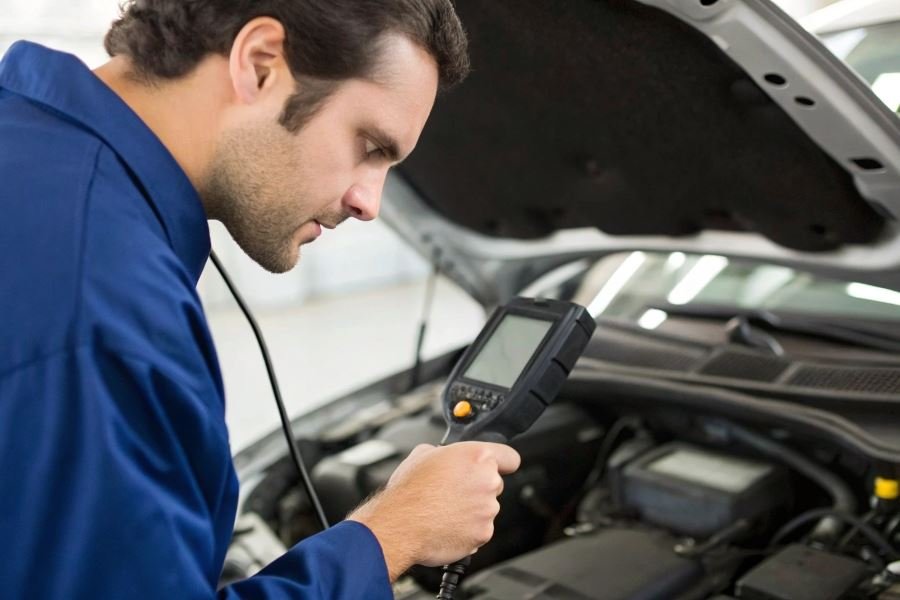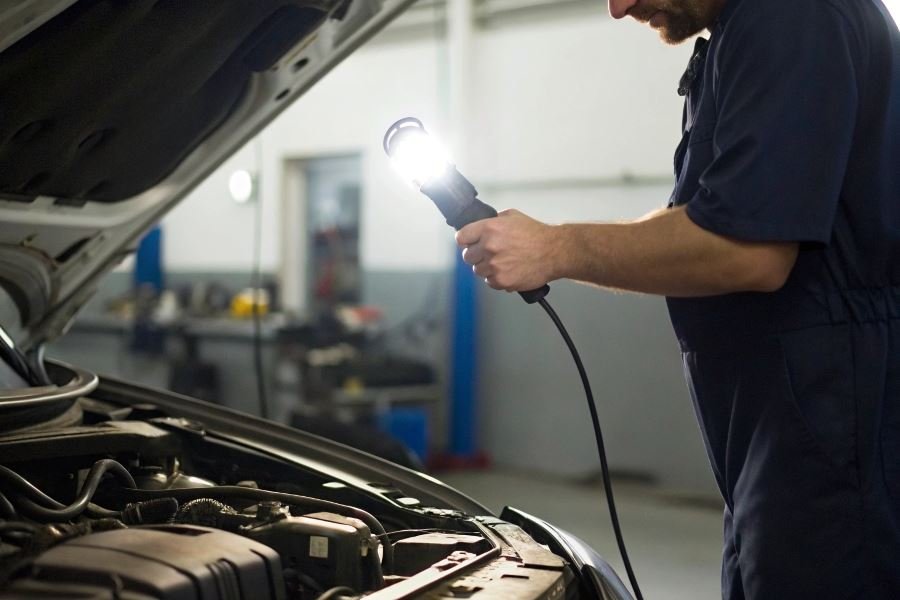
Ever watched a mechanic diagnose engine timing with what looks like a fancy flashlight? That’s a stroboscope—and it’s revolutionizing how small repair shops deliver precision diagnostics without breaking the bank.
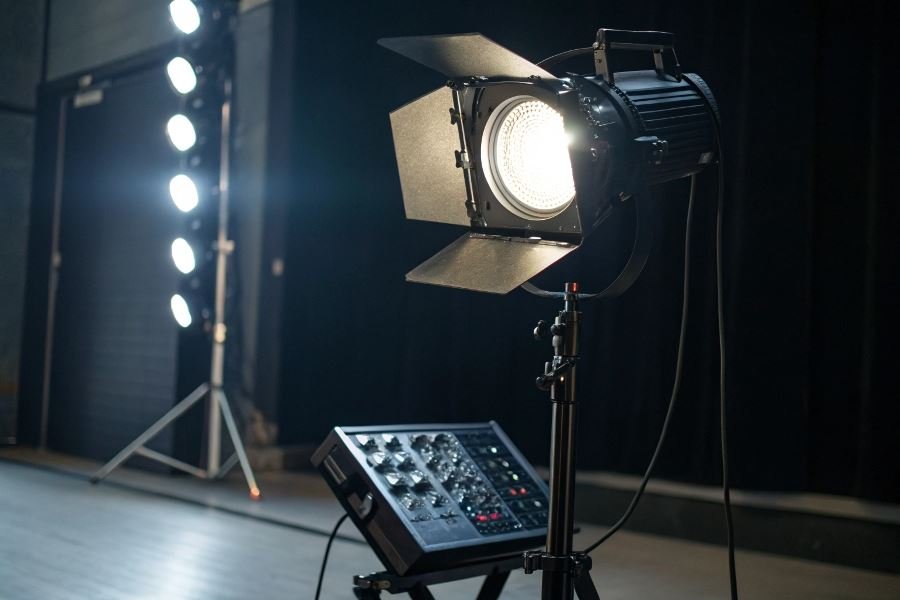
Stroboscopes are specialized diagnostic tools that emit quick pulses of light, synchronized with engine rotation to make moving parts appear stationary. This optical illusion allows mechanics to inspect timing marks, check distributor operation, and diagnose vibration issues with remarkable accuracy. Think of it as freezing time for a split second, revealing problems invisible to the naked eye.
For small auto repair businesses operating on tight margins, investing in diagnostic equipment presents a significant challenge. While premium stroboscopes can cost upwards of $500, budget-friendly alternatives now deliver comparable functionality at a fraction of the price—often between $75-150. This democratization of technology means independent shops can compete with larger operations without sacrificing service quality.
When selecting a budget stroboscope, three features stand out as non-negotiable:
- Flash rate range – Look for units offering at least 6,000 flashes per minute to accommodate various engine speeds
- Brightness calibration – Essential for accurate readings across different lighting conditions
-
Durability matters more than fancy features. A simple stroboscope that survives daily shop abuse will outperform a delicate premium model gathering dust on the shelf.
The right budget stroboscope isn’t just a tool—it’s a business investment that pays dividends through faster diagnostics, reduced comebacks, and enhanced customer confidence.
Budget Stroboscopes That Won’t Break the Bank
Finding the right diagnostic tools for your auto repair shop doesn’t have to drain your finances. Stroboscopes remain essential for timing light operations, allowing mechanics to precisely measure and adjust ignition timing in combustion engines. The market offers numerous budget-friendly options that deliver professional results without the premium price tag.
When exploring budget stroboscopes for small auto repair shops, model selection should balance affordability with functionality. The right tool can dramatically improve diagnostic accuracy while keeping operational costs manageable. Let’s examine the most compelling options across three price brackets that offer exceptional value.
Entry-Level Champions ($50-150)
The affordable end of the spectrum delivers surprising capability for shops just starting out or those with occasional timing light needs:
Innova 3551 ($79) stands out with its digital readout and durable construction. This basic model handles most domestic vehicles with remarkable accuracy despite its modest price point.
OTC 3365 ($129) offers enhanced features including:
- Self-powered operation (no external battery needed)
- Bright xenon flash visible even in daylight conditions
- Compatible with both conventional and electronic ignition systems
These entry-level options might lack advanced features, but they handle 80% of timing diagnostics a small shop encounters daily.
Mid-Range Performers ($150-300)
Step up to this bracket for enhanced durability and expanded capabilities:
Performance Tool W80587 ($189) delivers professional-grade accuracy with digital RPM display and adjustable flash advance. Its machined aluminum housing withstands shop abuse while maintaining calibration.
Actron CP7529 ($249) represents exceptional value with:
| Feature | Benefit |
|---|---|
| Microprocessor control | Precise timing measurements |
| Patented skip circuitry | Works with distributorless ignition systems |
| Detachable lead set | Easy storage and replacement |
| Backlit LCD display | Clear readings in all lighting conditions |
These mid-range options deliver professional performance without the premium price tag of dealership-grade equipment.
Premium Budget Options ($300-500)
At the upper end of budget territory, these models rival professional-grade equipment:
Launch X431 Timing Light ($349) integrates with diagnostic systems and offers Bluetooth connectivity for data logging. Its rechargeable lithium battery provides all-day operation without dimming.
Snap-on EEST303 ($479) justifies its price with:
- Digital advance timing from 0-60 degrees
- Tachometer function (200-9990 RPM)
- Memory recall for comparative diagnostics
- Patented swivel head for accessing tight engine compartments
- Industry-leading 3-year warranty
Mechanic’s Insight: The difference between a $100 and $400 stroboscope isn’t just accuracy—it’s reliability under daily use. Premium budget models pay for themselves through consistent readings and reduced comebacks.
When selecting your shop’s timing light, consider your typical workload and vehicle mix. Entry-level models serve occasional needs admirably, while premium budget options deliver professional performance for high-volume shops without the $1000+ price tag of industrial models.
Maximizing Value from Budget Stroboscopes
Small auto repair shops operate on tight margins, making every tool investment count. Budget stroboscopes offer tremendous diagnostic capability when properly maintained and utilized. Let’s explore how to extract maximum value from these essential timing tools.
Extending stroboscope lifespan through proper care
Budget stroboscopes can deliver years of reliable service with these maintenance practices:
-
Clean the flash tube regularly using isopropyl alcohol and a microfiber cloth. Oil residue and shop grime dramatically reduce light output over time.
-
Store in protective cases when not in use. The most common failure point for budget units is physical damage to the flash tube or trigger circuitry.
-
Battery management matters. Remove batteries during extended storage periods to prevent corrosion, and use high-quality alkaline or rechargeable batteries for consistent performance.
-
Inspect cables monthly for wear, particularly at stress points where they enter the handpiece. Early detection of fraying prevents dangerous shorts.
The difference between a stroboscope that lasts 18 months versus 5+ years often comes down to simple preventative maintenance that takes less than 2 minutes per week.
A maintenance log attached to each unit helps track service history and identify patterns before catastrophic failure occurs.
Staff training essentials for diagnostic accuracy
Even the most affordable Innova or OTC stroboscope becomes a precision instrument in well-trained hands:
Core training components:
- Understanding timing mark identification across different engine types
- Proper flash aiming techniques for maximum visibility
- Interpreting readings at various RPM ranges
- Troubleshooting common timing-related issues
Hands-on practice beats theoretical knowledge every time. Create a training engine setup where technicians can practice until readings become second nature.
When to make the upgrade leap
Budget stroboscopes serve admirably for most timing applications, but certain indicators signal it’s time to invest in professional-grade equipment:
| Upgrade Signal | Why It Matters |
|---|---|
| Inconsistent readings | Compromises diagnostic accuracy |
| Dim flash output | Increases eye strain and reading errors |
| Limited RPM range | Prevents advanced timing curve analysis |
| Lack of advance features | Reduces diagnostic capabilities |
The professional leap typically occurs when your shop handles:
- Performance tuning work requiring precise advance curve mapping
- High-volume timing diagnostics where efficiency justifies the investment
- Specialized vehicles with complex timing requirements
Professional models from Snap-on or Mac Tools offer digital displays, memory functions, and significantly brighter xenon tubes that cut through daylight conditions.
Consider a hybrid approach—maintain several budget units for basic timing checks while investing in one professional-grade stroboscope for complex diagnostics. This strategy balances capability with cost-effectiveness, particularly for growing shops transitioning from general repair to specialty work.
Remember that proper maintenance and training extend the useful life of budget stroboscopes, potentially delaying the need for costly upgrades while maintaining diagnostic accuracy your customers can trust.
Discover the best affordable stroboscopes for small auto repair shops under $500. Compare entry-level, mid-range, and premium options to find the perfect diagnostic tool that balances quality and value for your automotive business.
Discover the best affordable stroboscopes for small auto repair shops under $500. Compare entry-level, mid-range, and premium options to find the perfect diagnostic tool that balances quality and value for your automotive business.