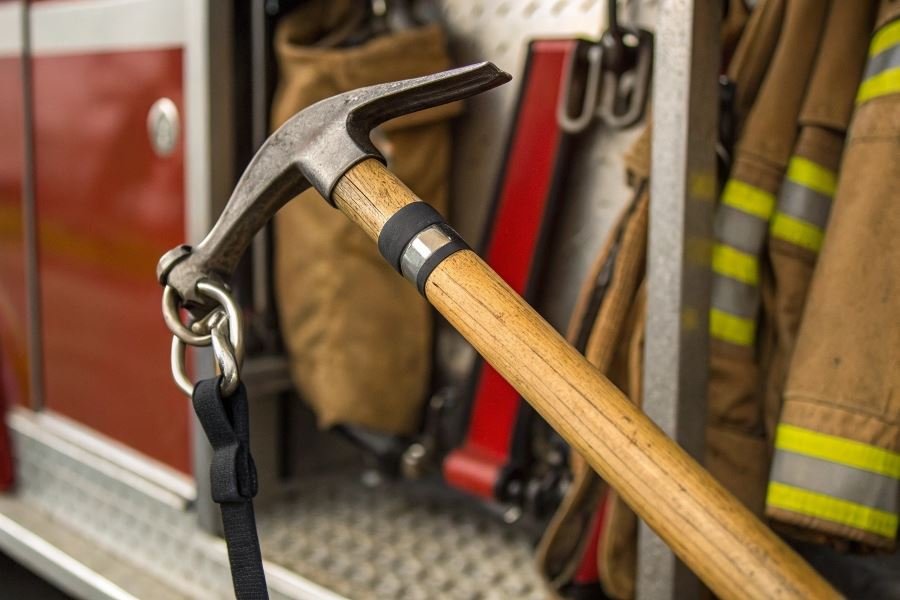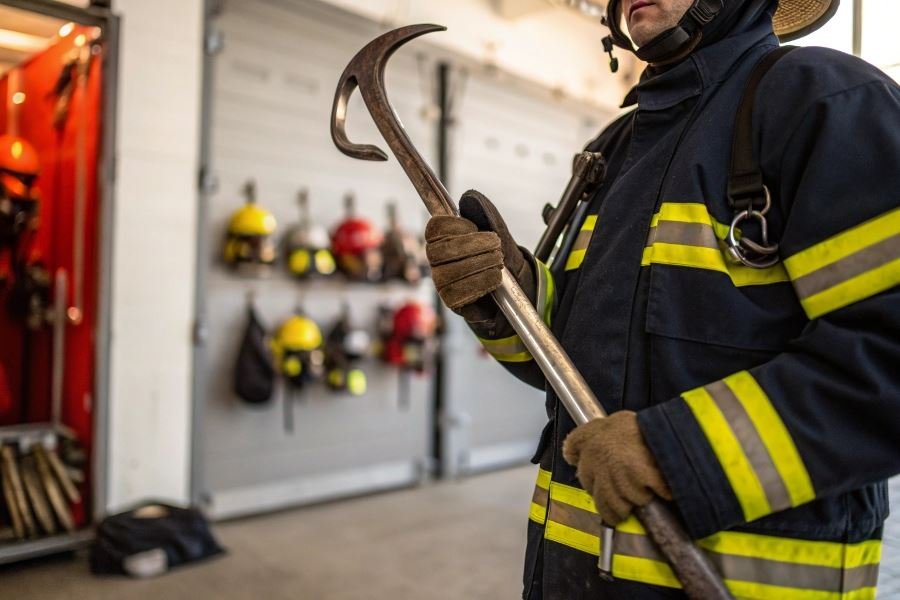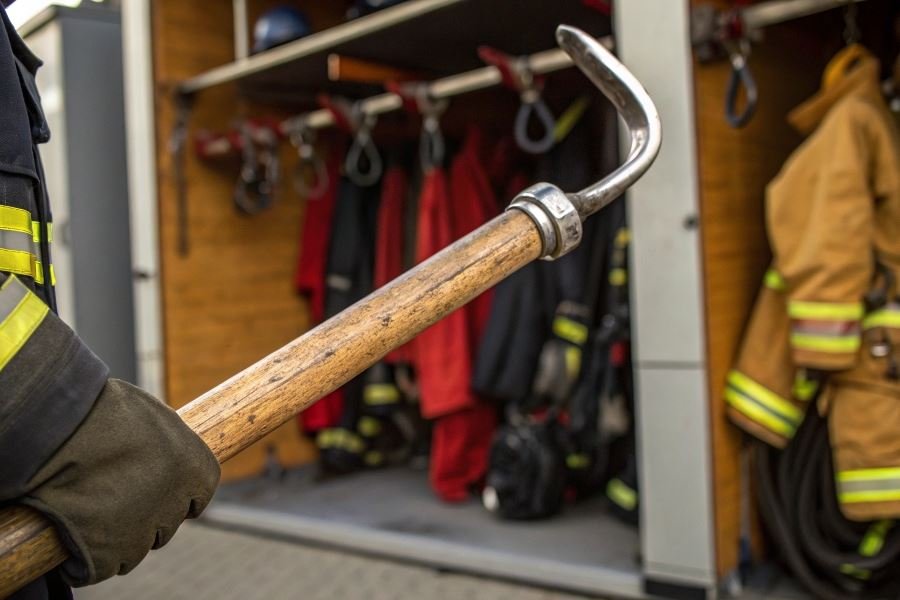
When seconds count and lives hang in the balance, firefighters reach for tools they can trust completely. Among these critical implements, the fire hook stands as a versatile lifesaver that can mean the difference between containment and catastrophe.
Fire hooks serve as the Swiss Army knife of emergency response equipment, allowing first responders to pry, pull, push, and penetrate during critical operations. These seemingly simple tools—essentially robust poles with specialized metal ends—perform complex functions during structure fires, vehicle extractions, and disaster response scenarios. Their reliability isn’t just convenient; it’s absolutely essential when emergency personnel face life-threatening situations.
“A fire hook’s service life isn’t just about regulatory compliance—it’s about ensuring that when a firefighter reaches for that tool in a smoke-filled corridor, it performs exactly as expected.” — National Fire Protection Association guidance
The regulatory landscape governing these tools has evolved significantly since the first NFPA standards were established in 1896. Today’s fire hooks must meet rigorous testing protocols that simulate real-world emergency conditions. These standards don’t just exist on paper—they’re written in the experiences of firefighters who have faced the consequences of equipment failure.
Proper maintenance doesn’t just extend a fire hook’s service life; it transforms it from an expense into an investment. Regular inspection, cleaning, and testing create a maintenance rhythm that ensures these critical tools remain ready for action through hundreds of emergency deployments. When maintained correctly, a quality fire hook can remain in service for 15+ years, delivering exceptional value while continuing to perform its life-saving functions flawlessly.
Maximizing Your Fire Hook’s Service Life: The Ultimate Longevity Guide
Fire hooks represent critical safety equipment that demands proper attention to ensure reliable performance when needed most. The typical service life of a fire hook and rules for its maintenance depend on several factors that every safety-conscious professional should understand. With proper care, these essential tools can provide decades of dependable service in emergency situations.
Expected Service Life Under Normal Conditions
The average fire hook, when properly maintained, typically delivers 15-20 years of reliable service. Premium models crafted from high-carbon steel or aerospace-grade aluminum alloys can extend this timeline significantly, with some professional-grade hooks remaining in service for 25+ years. This longevity isn’t accidental—it’s engineered into quality products and preserved through diligent maintenance.
Material matters significantly:
- Carbon steel hooks: 15-20 years
- Forged aluminum hooks: 12-18 years
- Titanium-reinforced models: 20-25+ years
The investment in higher-quality materials typically pays dividends through extended service periods and enhanced reliability during critical operations.
Critical Factors Affecting Longevity
Multiple variables influence how long your fire hook will remain serviceable:
| Factor | Impact on Service Life | Mitigation Strategy |
|---|---|---|
| Material Quality | High-grade materials can double service life | Invest in professional-grade equipment |
| Usage Frequency | Weekly use accelerates wear by 30-40% | Rotate equipment when possible |
| Storage Conditions | Improper storage reduces lifespan by 5-7 years | Maintain climate-controlled, dry storage |
| Maintenance Regimen | Regular maintenance extends life by 30% | Implement quarterly inspection protocols |
| Exposure to Chemicals | Can reduce service life by 50% | Decontaminate after chemical exposure |
Environmental conditions play a particularly significant role. Fire hooks exposed to saltwater environments, extreme temperature fluctuations, or corrosive chemicals require more frequent inspection and maintenance. These environmental stressors can accelerate deterioration even in premium equipment.
Recognizing Critical Wear Indicators
Knowing when to replace your fire hook is essential for safety and operational effectiveness. Watch for these unmistakable signs:
- Structural deformation – Any bending exceeding 5° from original specifications
- Surface corrosion – Pitting deeper than 1/16″ indicates serious compromise
- Hook point dulling – Reduced penetration capability signals replacement need
- Handle integrity issues – Cracks, splinters or loosening require immediate attention
- Weld point weakness – Any visible stress at connection points demands evaluation
Documentation from manufacturers typically specifies exact tolerances, but these general guidelines provide reliable indicators for most standard equipment.
Documentation and Tracking Requirements
Professional fire safety operations require meticulous record-keeping for equipment service life. Implement these tracking protocols:
- Maintain digital and physical inspection logs with date stamps
- Document all maintenance procedures performed
- Record exposure to unusual conditions (extreme heat, chemicals)
- Track frequency of use with simple tally systems
- Photograph equipment annually to document progressive wear
Industry best practice recommends quarterly inspections with comprehensive documentation. Many departments now utilize QR-coded asset management systems from FireTrack or similar providers to streamline this process.
By understanding these factors and implementing proper maintenance protocols, you’ll maximize your fire hook’s service life while ensuring it remains ready for action when seconds count.
Mastering Fire Hook Maintenance for Maximum Service Life
Fire hooks are critical safety tools that demand meticulous care to ensure they perform flawlessly when lives are on the line. Proper maintenance not only extends their service life but guarantees reliability during emergency situations. Let’s dive into the essential maintenance protocols that separate adequately maintained equipment from tools you can truly trust.
Inspection Schedules That Save Lives
The backbone of any fire hook maintenance program is a consistent inspection schedule. Professional fire departments typically follow these inspection intervals:
| Inspection Type | Frequency | Key Checkpoints |
|---|---|---|
| Visual Check | After each use & weekly | Deformation, cracks, loose components |
| Functional Test | Monthly | Extension mechanism, locking features |
| Comprehensive Inspection | Quarterly | Stress testing, measurement verification |
| Professional Assessment | Annually | Certification renewal, compliance verification |
During these inspections, pay particular attention to stress points where the hook connects to the handle. These junction points often reveal early warning signs of metal fatigue that might be invisible elsewhere on the tool.
Document every inspection with date, findings, and maintenance performed. This documentation isn’t just bureaucratic paperwork—it’s your liability protection and proof of due diligence.
Storage and Cleaning Protocols That Prevent Corrosion
Fire hooks face a brutal combination of environmental challenges: extreme heat, water exposure, and chemical contaminants. This trifecta accelerates corrosion unless countered with proper cleaning and storage.
After each use, follow this cleaning sequence:
- Remove surface debris with a soft-bristled brush
- Wash with mild soap and warm water
- Thoroughly dry with clean cloths
- Apply a thin coat of appropriate lubricant to moving parts
- Store in a climate-controlled environment when possible
Never store fire hooks in damp locations or directly on concrete floors. The moisture exchange between concrete and metal creates a perfect environment for accelerated corrosion. Instead, use wall-mounted brackets that keep tools elevated and separated.
Component-Specific Maintenance Techniques
Different parts of your fire hook require specialized attention:
Handle Maintenance:
The handle—typically fiberglass or hardwood—requires inspection for splinters, cracks, or delamination. For wooden handles, apply a penetrating oil (not paint) annually to prevent drying and splitting while maintaining grip integrity.
Hook Head Care:
The business end of your tool demands the most scrutiny. Look for:
- Deformation from excessive heat exposure
- Dulling of edges that might compromise function
- Stress fractures near welding points
Connection Points:
These critical junctions require:
- Tightening of any fasteners to manufacturer specifications
- Lubrication with high-temperature, water-resistant products
- Verification that locking mechanisms engage fully and release properly
Professional Servicing Requirements
While in-house maintenance forms the foundation of your fire hook care, professional servicing remains non-negotiable for certification purposes. The National Fire Protection Association guidelines recommend annual professional assessment by certified technicians.
These assessments typically include:
- Precision measurement verification against original specifications
- Non-destructive testing for internal structural integrity
- Recertification documentation for compliance and insurance requirements
The difference between a tool that fails and one that performs under pressure often comes down to maintenance discipline, not just manufacturing quality.
Remember that certification requirements vary by jurisdiction, so verify local regulations that govern your specific operational environment. The investment in professional servicing pays dividends in reliability and legal protection.
Discover essential guidelines for maximizing your fire hook's service life through proper maintenance. Learn inspection schedules, cleaning techniques, and when replacement is necessary to ensure reliable emergency response performance.
Discover essential guidelines for maximizing your fire hook's service life through proper maintenance. Learn inspection schedules, cleaning techniques, and when replacement is necessary to ensure reliable emergency response performance.