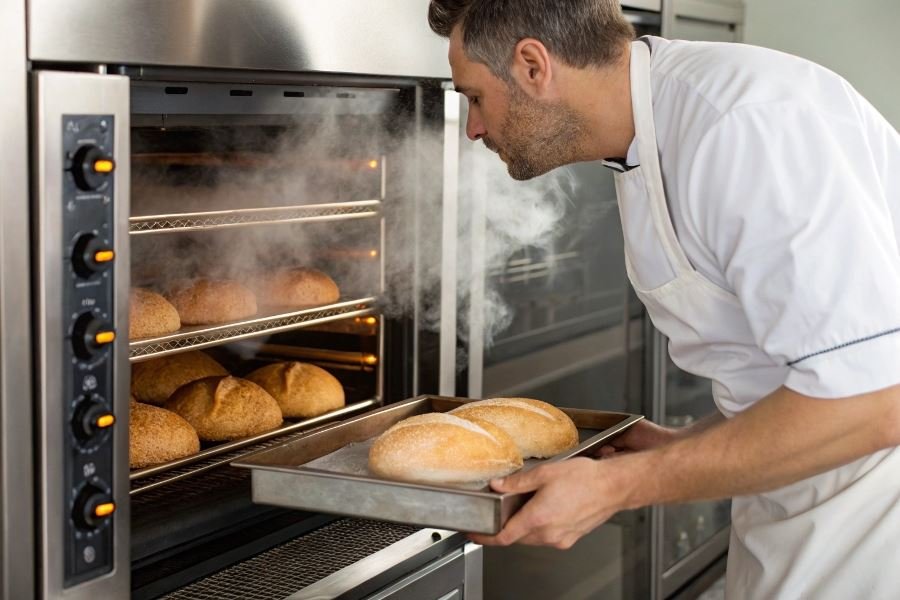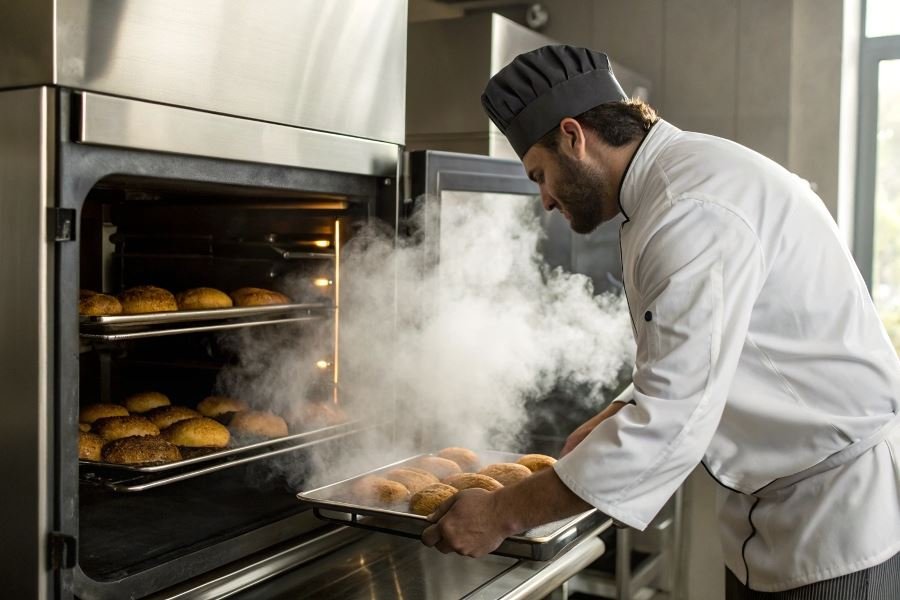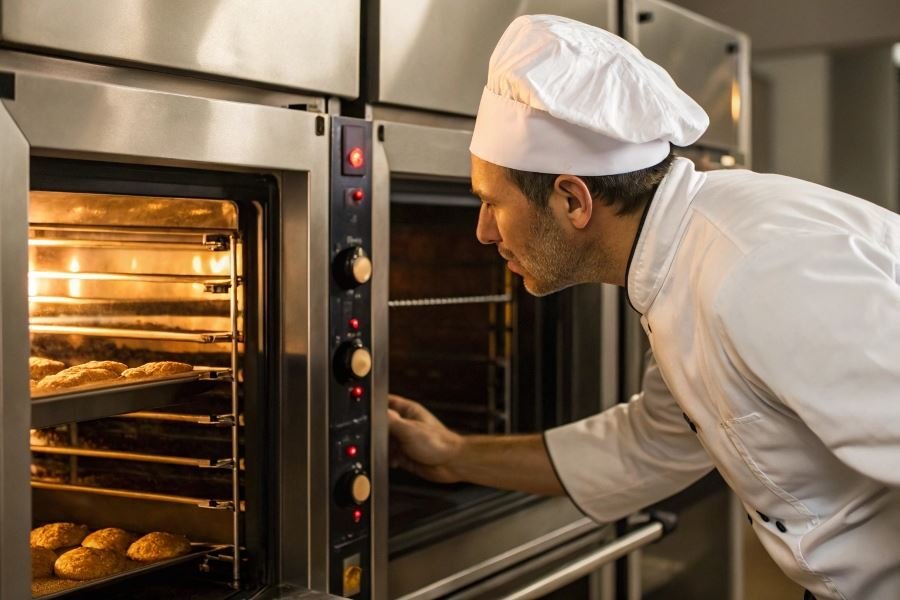
What if the secret to perfect bread isn’t just in the recipe, but in how you heat the oven?
The battle between electric and gas ovens has been simmering for over a century, transforming from primitive coal-fired chambers to the sophisticated baking instruments we use today. When the first electric oven debuted in 1896, courtesy of William Hadaway’s innovations at Westinghouse, it challenged the dominance of gas ovens that had been gaining popularity since the 1830s. Both technologies have evolved dramatically since then, each developing distinct personalities in the kitchen.
Today’s market reflects a fascinating divide. Professional bakeries still largely favor gas-fired deck ovens for their intense, direct heat—perfect for artisanal breads with that coveted crackling crust. Meanwhile, electric ovens dominate the home kitchen segment, with the National Association of Home Builders reporting that nearly 60% of new American homes feature electric ranges. The rise of convection technology has further blurred the lines, with both gas and electric models incorporating fans to circulate heat more efficiently.
When comparing these two heating titans, three factors emerge as critical decision points:
- Heat characteristics: Gas provides immediate, intense heat with natural humidity, while electric offers precise, consistent temperatures.
- Energy efficiency and cost: Operating expenses vary dramatically by region, with natural gas typically costing less per BTU than electricity.
- Baking performance: Different baked goods respond uniquely to each heating method—pastries often prefer electric’s gentle consistency, while artisan breads thrive in gas ovens’ moisture-rich environment.
The choice between electric and gas ultimately depends on what you’re baking, where you’re baking it, and how much control you demand over the process.
The Ultimate Showdown: Electric vs Gas Ovens
When it comes to the heart of your kitchen, few decisions impact your daily cooking experience more than choosing between electric and gas ovens. The comparison of electric and gas baking ovens reveals distinct advantages and disadvantages that can significantly affect everything from your soufflé’s rise to your monthly utility bills.
Heat Distribution: The Baker’s Battlefield
Electric ovens shine with remarkably even heat distribution thanks to their heating elements. Most modern models feature both top and bottom elements that create a consistent cooking environment.
Gas ovens traditionally struggled with hot spots, but manufacturers have made impressive strides. Today’s premium Wolf and Thermador gas ranges incorporate dual-fan convection systems that significantly improve uniformity.
| Oven Type | Heat Distribution | Temperature Stability | Preheating Time |
|---|---|---|---|
| Electric | Excellent | Very stable | 10-15 minutes |
| Gas | Good | Fluctuates slightly | 5-8 minutes |
Temperature Control: Precision vs Responsiveness
Electric ovens maintain temperatures with digital precision—typically within ±5°F of your setting. This consistency makes them the preferred choice for delicate baking where exact temperatures matter.
Gas ovens respond instantly to temperature adjustments. When you change the setting, the flame immediately adjusts, providing real-time control that professional chefs often prefer for dynamic cooking techniques.
Cost Considerations: Beyond the Price Tag
The initial investment presents your first decision point:
- Electric ovens: 500−3,000 for quality models
- Gas ovens: 800−5,000 with premium features
Installation requirements create another significant cost differential. Electric ovens simply need a 220V outlet, while gas ovens require proper gas lines and professional installation that can add 200−700 to your setup costs.
Operating Expenses: The Long Game
Your ongoing costs depend heavily on local utility rates:
- In areas with inexpensive natural gas (like parts of the Midwest), gas ovens typically cost 10-30% less to operate
- Regions with competitive electricity rates may see minimal difference in operating costs
Energy efficiency has become a key battleground between manufacturers. GE Profile and Bosch have developed electric models with improved insulation that reduce energy consumption by up to 20% compared to older units.
Maintenance and Durability: The Reliability Factor
Gas ovens generally have fewer components that can malfunction—primarily the ignition system and gas valve. However, these parts require professional service when problems arise.
Electric ovens contain more electronic components that can fail, but many issues are user-serviceable. The heating elements typically last 5-15 years and cost 20−50 to replace.
The average lifespan difference is minimal—both types typically provide 13-15 years of service with proper maintenance.
Space Requirements and Installation Flexibility
Electric ovens offer greater installation flexibility, fitting seamlessly into cabinetry without ventilation concerns. Their sealed systems make them ideal for wall installations and kitchen islands.
Gas ovens require proper ventilation and cannot be installed in all locations. They need a minimum clearance from combustible materials and appropriate exhaust systems to remove combustion byproducts.
The choice between these two titans ultimately depends on your specific cooking style, kitchen configuration, and local utility costs. Both technologies continue to evolve, narrowing their performance gaps while emphasizing their unique strengths.
Making the Right Choice: Electric vs Gas Ovens
Electric Ovens Excel in Precision Environments
Electric ovens have carved out a dominant position in modern kitchens for good reason. Their precision temperature control makes them the undisputed champions for baking enthusiasts who demand consistency. When baking delicate pastries, soufflés, or multi-tiered cakes, the stable heat distribution of electric models like the KitchenAid Smart Oven+ delivers predictable results time after time.
Home bakeries and professional patisseries particularly benefit from electric ovens’ dry, consistent heat. The absence of moisture from combustion creates the perfect environment for achieving crisp crusts on artisanal bread and perfectly risen cakes.
Urban apartments and modern homes with limited ventilation requirements find electric ovens to be the practical choice. Without combustion concerns, they eliminate the need for complex venting systems and reduce installation complexity.
“Electric ovens shine brightest in environments where precision matters more than raw power. They’re the craftsman’s tool in the baking world.”
For tech enthusiasts, modern electric ovens offer connectivity features that gas simply can’t match. Smart electric ovens from brands like Miele and GE Profile integrate with home automation systems, allowing remote monitoring and precise timing adjustments—perfect for the connected kitchen.
Gas Ovens Dominate High-Volume Cooking
Gas ovens reveal their strengths in high-volume cooking environments where rapid temperature changes and moisture control are paramount. Professional kitchens and restaurants typically favor gas for its immediate heat response and ability to quickly recover temperature when opening the door repeatedly.
The moist heat environment created by gas combustion produces exceptional results for:
| Food Type | Gas Oven Benefit |
|---|---|
| Roasts | Maintains juiciness and prevents drying out |
| Braised dishes | Creates ideal environment for slow-cooking |
| Rustic breads | Develops beautiful crusts with soft interiors |
Homes in rural areas or regions with frequent power outages find gas ovens provide crucial reliability. A Viking Professional gas range continues functioning during electrical outages, ensuring meal preparation remains uninterrupted.
Cost-conscious bakers often gravitate toward gas models, as natural gas typically costs less than electricity in many regions. The operational savings can be substantial for frequent bakers, sometimes offsetting the higher initial installation costs within just a few years.
Future Considerations Beyond 2025
The landscape of oven technology continues evolving with sustainability taking center stage. Electric ovens are increasingly paired with renewable energy sources, dramatically reducing their carbon footprint. Models from Bosch now feature energy recovery systems that capture and reuse heat that would otherwise be wasted.
Gas technology hasn’t remained static either. Modern gas ovens from manufacturers like Wolf incorporate precision flame control and improved insulation, reducing gas consumption by up to 30% compared to models from just a decade ago.
Hybrid technologies represent perhaps the most exciting development. Dual-fuel ranges combine gas cooktops with electric ovens, offering the best of both worlds—the precise temperature control of electric for baking alongside the responsive surface cooking of gas.
The most forward-thinking consideration may be adaptability. Investing in appliances that can be modified or upgraded as technology advances ensures your kitchen remains current without requiring complete replacement. Modular systems from companies like Gaggenau allow components to be updated individually as innovations emerge.
Discover the definitive comparison between electric and gas ovens for perfect baking results. Explore heat distribution, cost factors, and maintenance requirements to make an informed choice for your specific baking needs and kitchen setup.
Discover the definitive comparison between electric and gas ovens for perfect baking results. Explore heat distribution, cost factors, and maintenance requirements to make an informed choice for your specific baking needs and kitchen setup.