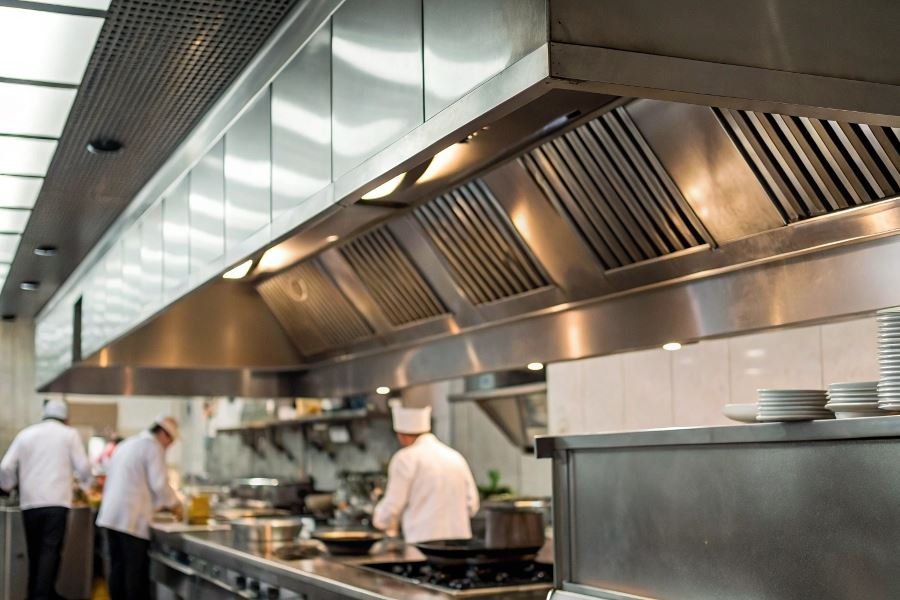
Ever walked into a restaurant kitchen during peak service? That symphony of sizzling pans, roaring flames, and bustling chefs generates something else: an invisible storm of heat, smoke, grease, and odors that could quickly transform your culinary haven into an unbearable inferno.
Behind every successful commercial kitchen stands a ventilation system that works as tirelessly as the chefs themselves. Selecting the right supply and exhaust hood isn’t just about compliance—it’s about creating an environment where your culinary team can perform at their best while protecting your investment and reputation.
“The ventilation system is the unsung hero of restaurant kitchens. When it works perfectly, nobody notices. When it fails, everybody suffers.” — James Beard Award-winning chef Michael Symon
The critical foundation of commercial kitchen operations
Proper ventilation does far more than simply remove cooking odors. It maintains air quality by extracting airborne grease, combustion products, and excess heat while simultaneously introducing fresh air. This delicate balance directly impacts food quality, equipment longevity, energy costs, and most importantly, staff health and safety.
The National Fire Protection Association reports that nearly 57% of restaurant fires originate from cooking equipment, with inadequate cleaning and maintenance of ventilation systems being a primary contributor. Beyond fire prevention, OSHA standards mandate specific air quality requirements to protect workers from respiratory hazards and excessive heat exposure.
Understanding the ventilation ecosystem
A complete ventilation system consists of two critical components working in harmony:
- Exhaust hoods: Capture and remove contaminated air, smoke, and cooking byproducts
- Supply systems: Introduce fresh, temperature-controlled air to replace what’s being exhausted
The magic happens when these systems achieve perfect balance—removing exactly what’s necessary while maintaining comfortable working conditions and optimal air pressure throughout your space.
Essential Factors for Restaurant Hood Selection
Selecting the right supply and exhaust hood for your restaurant kitchen isn’t just about compliance—it’s about creating an environment where culinary magic can happen without the distraction of smoke, heat, and odors. The perfect hood system acts as the respiratory system of your kitchen, silently maintaining air quality while your team focuses on creating memorable dining experiences.
When restaurant owners approach the process of how to choose a supply and exhaust hood for a restaurant kitchen, they often underestimate the technical complexity involved. This decision impacts everything from staff comfort to energy bills, and ultimately, the quality of food being served.
Kitchen Dimensions and Layout Matter
The foundation of proper hood selection begins with understanding your kitchen’s unique footprint. A hood system must be proportional to:
- Kitchen square footage: Larger spaces require more powerful systems
- Ceiling height: Affects the hood’s mounting position and capture efficiency
- Equipment positioning: The arrangement of cooking stations influences airflow patterns
For example, a kitchen with 12-foot ceilings and 800 square feet of cooking space typically requires a different solution than a compact 400-square-foot kitchen with standard 9-foot ceilings. Your hood must extend beyond cooking surfaces by at least 6 inches on each side for proper capture.
Calculating Proper Airflow Requirements
Airflow capacity represents the hood’s ability to remove contaminated air and replace it with fresh air. This is measured in cubic feet per minute (CFM).
| Equipment Type | Typical CFM Requirement |
|---|---|
| Standard Range | 150-250 CFM per linear foot |
| Charbroiler | 250-400 CFM per linear foot |
| Wok Station | 300-500 CFM per linear foot |
| Pizza Oven | 400-600 CFM per linear foot |
A common mistake is underestimating CFM needs. Consider this: a kitchen with a 6-foot charbroiler and a 4-foot fryer station might require 3,000+ CFM to maintain proper air quality. Insufficient airflow leads to smoke accumulation, excessive heat, and potentially dangerous cooking conditions.
Hood Types for Specific Cooking Operations
Different cooking styles demand specialized hood designs:
- Type I hoods handle grease-laden vapors from frying, grilling, and high-heat cooking
- Type II hoods manage steam, heat, and odors from non-grease applications like dishwashing
Within these categories, you’ll find variations designed for specific cooking methods:
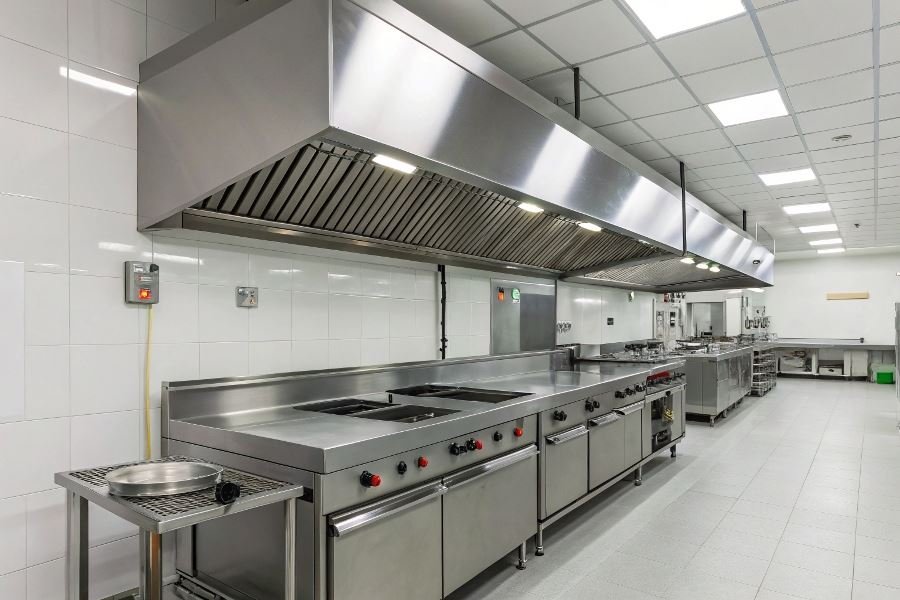
- Wall-mounted canopy hoods: Ideal for equipment positioned against walls
- Island canopy hoods: Designed for central cooking stations
- Proximity (backshelf) hoods: Perfect for limited ceiling height or display cooking
The CaptiveAire systems popular in high-volume restaurants offer customizable solutions that can be tailored to specific cooking operations, while Halton specializes in energy-efficient designs that can reduce operational costs by up to 30%.
Remember that specialized cooking equipment like wood-fired ovens or robotic woks may require custom hood configurations with enhanced fire suppression capabilities and specialized filtration systems.
By carefully evaluating your kitchen’s dimensions, calculating precise airflow requirements, and selecting the appropriate hood type for your specific cooking operations, you’ll create a ventilation system that enhances kitchen efficiency while protecting your investment in both equipment and personnel.
The Technical Trifecta: Specifications That Make or Break Your Hood System
When investing in a commercial kitchen ventilation system, the difference between mediocre and exceptional performance often comes down to three critical technical specifications. Let’s dive into what separates industry-leading hood systems from the rest.
Built to Last: Material Quality and Construction
The foundation of any superior exhaust hood begins with its materials. Type 304 stainless steel has become the gold standard in commercial kitchen ventilation for good reason—it offers exceptional corrosion resistance against grease, moisture, and cleaning chemicals that would quickly deteriorate lesser materials.
The thickness of your hood’s steel (measured in gauge) directly correlates to its lifespan. Never compromise on material gauge—the difference between 18-gauge and 16-gauge can mean years of additional service.
Construction quality extends beyond materials to fabrication techniques. Look for:
- Fully welded seams (not just spot welded)
- Reinforced corners and mounting points
- Precision-engineered grease filters with proper channeling
- Smooth interior surfaces that prevent grease accumulation
Halton and CaptiveAire have set industry benchmarks with their construction standards, featuring fully welded, liquid-tight seams that prevent grease leakage—a common failure point in budget systems.
Dollars and Sense: Energy Efficiency Metrics
The initial purchase price represents only a fraction of your hood’s lifetime cost. Variable frequency drives (VFDs) can reduce fan energy consumption by 30-50% by automatically adjusting exhaust rates based on cooking intensity.
Modern energy-efficient hoods incorporate:
| Feature | Potential Savings | Payback Period |
|---|---|---|
| Demand-controlled ventilation | 30-50% energy reduction | 12-24 months |
| Heat recovery systems | 70% heat recapture | 24-36 months |
| LED lighting | 75% lighting energy reduction | 6-12 months |
The Melink Intelli-Hood system exemplifies this approach with its temperature and optical sensors that precisely match ventilation rates to actual cooking conditions, eliminating the wasteful practice of running exhaust fans at full capacity regardless of need.
Beyond Purchase: Maintenance Requirements
The most overlooked aspect of hood selection is long-term serviceability. A system designed for easy maintenance will save thousands in service costs while extending operational life.
Accessibility is paramount. Evaluate these maintenance-friendly features:
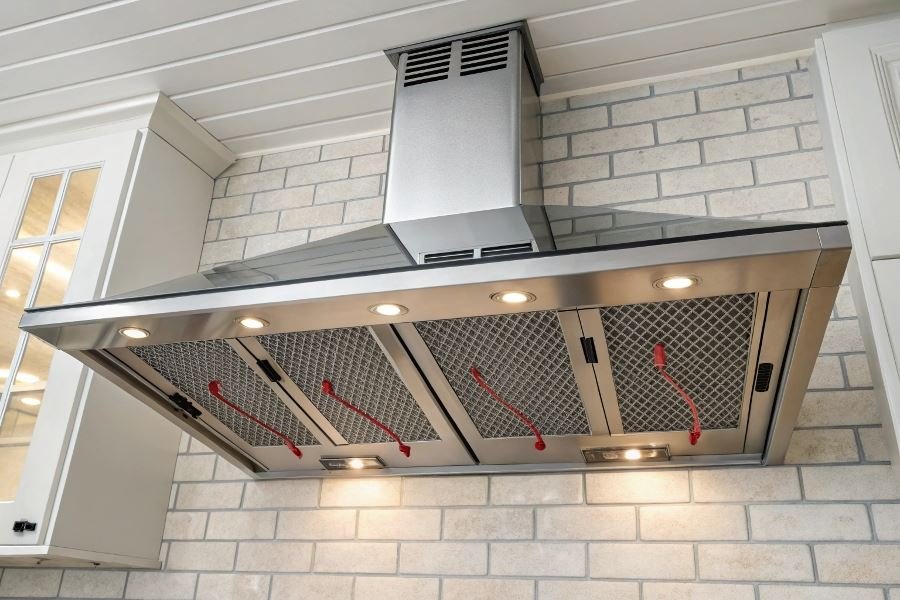
- Tool-free filter removal systems
- Self-draining grease collection
- Accessible fire suppression components
- Removable side panels for ductwork inspection
Greenheck offers hood systems with their QuickClean technology that allows complete filter removal in seconds without tools—a feature that encourages more frequent cleaning and dramatically improves fire safety.
The maintenance schedule requirements vary significantly between manufacturers. Premium systems might specify quarterly professional inspections, while budget options often require monthly attention. This difference translates directly to operational costs and kitchen downtime.
Remember that proper maintenance isn’t just about cost—it’s about safety and compliance. A well-maintained hood system operates at peak efficiency, reducing fire hazards and ensuring your kitchen passes health department inspections with flying colors.
When evaluating long-term performance, ask manufacturers for documented case studies of systems operating in similar environments to yours. The best predictor of future performance is past performance in comparable conditions.
Discover expert guidance on selecting the perfect supply and exhaust hood for your restaurant kitchen. Learn critical ventilation requirements, hood types for different cooking operations, and key technical specifications to ensure safety, efficiency, and compliance.
Discover expert guidance on selecting the perfect supply and exhaust hood for your restaurant kitchen. Learn critical ventilation requirements, hood types for different cooking operations, and key technical specifications to ensure safety, efficiency, and compliance.