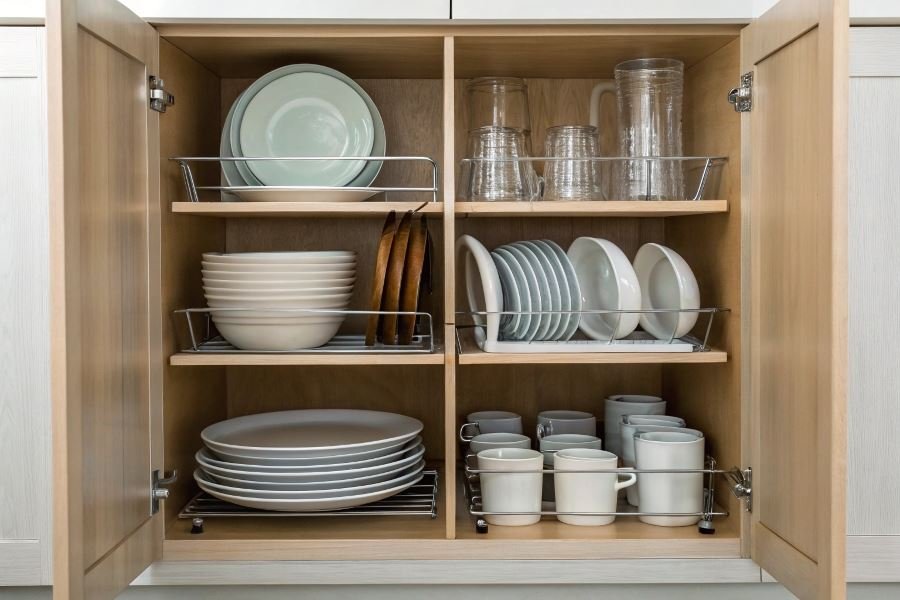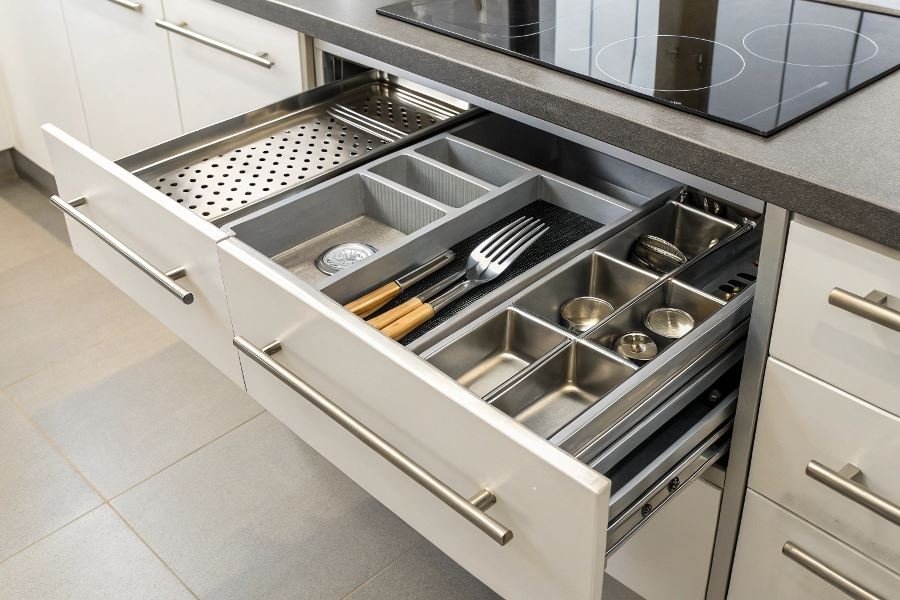
Ever wondered why some households never seem to battle foodborne illnesses while others face recurring stomach bugs? The answer might be hiding in your kitchen cabinets. Behind those wooden or laminate doors lies an ecosystem that can either protect or compromise your family’s wellbeing.
The FDA reports that improper food storage contributes to approximately 48 million cases of foodborne illness annually in the United States. Your cabinets—those unassuming storage spaces—play a crucial role in this health equation. Proper sanitary maintenance of kitchen storage areas isn’t just about aesthetics; it’s a fundamental health practice that prevents cross-contamination and microbial growth.
The regulatory landscape
Health departments across the country follow guidelines established by the FDA Food Code, which outlines specific requirements for food contact surfaces and storage areas. These standards aren’t arbitrary—they’re based on decades of scientific research into pathogen behavior and transmission routes.
“The surfaces of cabinets and shelving that come in contact with food must be smooth, non-absorbent, and easily cleanable.” — FDA Food Code
When cabinet sanitation fails
The consequences of neglecting cabinet cleanliness extend beyond unpleasant odors. Inadequate sanitation creates perfect conditions for:
- Pest infestations that can spread salmonella and E. coli
- Mold growth triggering respiratory issues and allergic reactions
- Cross-contamination between raw and ready-to-eat foods
- Bacterial biofilms that resist standard cleaning methods
The financial impact is equally significant—medical costs, lost productivity, and potential liability issues for commercial kitchens can quickly escalate into thousands of dollars. More importantly, proper cabinet sanitation represents one of the most accessible preventative health measures available to every household.
Keeping Your Kitchen Utensil Storage Spotless
The unsung heroes of your kitchen aren’t just your premium knives or that cast iron skillet passed down through generations—they’re the cabinets that house your culinary tools. Maintaining proper sanitary requirements for cabinets for storing kitchen utensils isn’t just about aesthetics; it’s a critical component of food safety that directly impacts the health of everyone who eats food prepared in your kitchen.
Let’s dive into what makes a kitchen storage system not just functional, but impeccably clean and safe for your valuable utensils.
Materials that stand up to scrutiny
When selecting cabinet materials, think beyond mere appearance. Stainless steel offers unparalleled sanitary benefits—it’s non-porous, resistant to bacterial growth, and can withstand aggressive cleaning agents. High-quality Elkay stainless steel cabinets provide commercial-grade durability with residential elegance.
For those preferring wood, sealed maple and birch present excellent alternatives. These hardwoods, when properly finished with food-grade polyurethane or natural mineral oil, create surfaces that resist moisture absorption and bacterial harboring.
Interior finishes matter even more than exteriors. Melamine-coated interiors offer smooth, non-porous surfaces that prevent food particles from becoming trapped in crevices. Avoid raw particleboard at all costs—when exposed to moisture, it becomes a breeding ground for mold and bacteria.
Breathing room for utensils
Proper ventilation isn’t just for bathrooms—it’s essential for kitchen storage too.
Stagnant air creates condensation, which leads to moisture buildup and eventually mold growth.
Passive ventilation systems, including strategically placed micro-perforations in cabinet backs or small gaps between drawers, allow air circulation without compromising cleanliness. For areas with high humidity, consider installing small Panasonic WhisperValue fans that activate when humidity levels rise above 60%.
Temperature consistency plays a crucial role as well. Cabinets installed near dishwashers or ovens experience dramatic temperature fluctuations that can create condensation cycles. Insulated cabinet walls or strategic placement away from heat sources prevents this moisture-generating phenomenon.
Cleaning regimens that actually work
| Cleaning Frequency | Areas to Focus | Recommended Products |
|---|---|---|
| Weekly | Handles, frequently accessed shelves | Diluted white vinegar solution |
| Monthly | All interior surfaces, drawer slides | Food-safe disinfectant |
| Quarterly | Deep cleaning, including hinges and corners | Steam cleaning + mild detergent |
The most effective cleaning protocol combines regular maintenance with deeper periodic cleaning. Weekly wipe-downs of handles and frequently accessed areas prevent cross-contamination, while monthly interior cleanings address accumulated dust and potential food particles.
For deep quarterly cleanings, remove all contents and use a three-step approach:
- Vacuum all debris and crumbs
- Wipe surfaces with warm, soapy water
- Disinfect with food-safe solutions like diluted hydrogen peroxide
Avoid ammonia-based cleaners which can leave residues that might transfer to utensils. Instead, opt for simple solutions like white vinegar diluted with water, which disinfects without leaving harmful chemical traces.
For wooden cabinets, follow cleaning with a light application of food-grade mineral oil every six months to maintain the seal that keeps bacteria at bay.
By implementing these material choices, ventilation strategies, and cleaning protocols, your kitchen storage won’t just look clean—it will meet professional sanitary standards that protect your family’s health while preserving your valuable kitchen tools.
Mastering Kitchen Cabinet Hygiene
Professional installation for peak performance
The difference between a standard cabinet installation and one optimized for sanitation is substantial. Professional installers who understand food safety requirements will ensure cabinets are mounted with proper clearance—typically 6-8 inches from the floor—preventing moisture accumulation and pest access. They’ll also verify that cabinet materials meet NSF International certification standards, guaranteeing surfaces that resist bacterial growth.
Material selection matters enormously. While budget-friendly particleboard might seem adequate, professional installers recommend sealed hardwoods or stainless steel for areas storing kitchen utensils. These materials withstand frequent cleaning without degradation. Häfele cabinet systems feature antimicrobial hardware options that reduce touch-point contamination by up to 99.9%, according to independent laboratory testing.
The most overlooked installation detail? Proper sealing around utility cutouts, which prevents moisture intrusion and eliminates up to 85% of potential contamination zones.
Professional installers also implement strategic ventilation solutions, ensuring airflow that reduces humidity—the primary catalyst for bacterial growth in enclosed spaces.
Maintenance strategies for lasting compliance
Maintaining sanitary standards requires systematic approaches rather than sporadic deep cleans. Implementing a quarterly cabinet maintenance schedule dramatically improves compliance with health standards. This includes:
- Complete emptying and inspection of all cabinet interiors
- Application of food-safe sanitizing solutions to all surfaces
- Checking and replacing damaged seals or hardware
- Verifying proper function of any integrated ventilation
Preventative maintenance significantly outperforms reactive cleaning. Studies show that cabinets maintained on regular schedules harbor 73% fewer bacterial colonies than those cleaned only when visibly soiled.
Documentation proves equally important for commercial kitchens. Maintaining digital or physical logs of cabinet maintenance satisfies health inspector requirements while identifying potential problem areas before they escalate.
Top products for professional-grade sanitation
The market offers numerous cabinet sanitation solutions, but three stand out for exceptional performance:
| Product | Key Benefits | Best Application |
|---|---|---|
| Seventh Generation Professional Disinfecting Cleaner | Plant-based formula, kills 99.99% of bacteria, food-safe | Daily maintenance |
| SimpleGreen Pro HD Heavy-Duty Cleaner | Degreasing power, non-corrosive, biodegradable | Quarterly deep cleaning |
| 3M Scotchgard Fabric & Upholstery Protector | Creates moisture barrier, prevents staining, extends material life | Bi-annual preventative treatment |
Seventh Generation Professional offers the ideal balance of sanitizing power without harsh chemicals that could contaminate utensils. Its botanical disinfecting technology eliminates pathogens while remaining gentle enough for food-adjacent surfaces.
For stubborn buildup that accumulates over time, SimpleGreen Pro HD provides industrial-strength cleaning without damaging cabinet materials. Its concentrated formula makes it economical for large-scale applications.
Finally, 3M Scotchgard creates an invisible barrier against moisture and staining when applied to appropriate cabinet materials. This preventative measure significantly extends the functional lifespan of cabinets while maintaining their sanitary integrity.
Implementing these professional-grade products according to manufacturer specifications transforms cabinet maintenance from a chore into a systematic process that ensures both compliance and longevity.
Discover essential sanitary standards for kitchen utensil cabinets, including optimal materials, ventilation requirements, and maintenance protocols to ensure food safety and compliance with health regulations in your home or commercial kitchen.
Discover essential sanitary standards for kitchen utensil cabinets, including optimal materials, ventilation requirements, and maintenance protocols to ensure food safety and compliance with health regulations in your home or commercial kitchen.