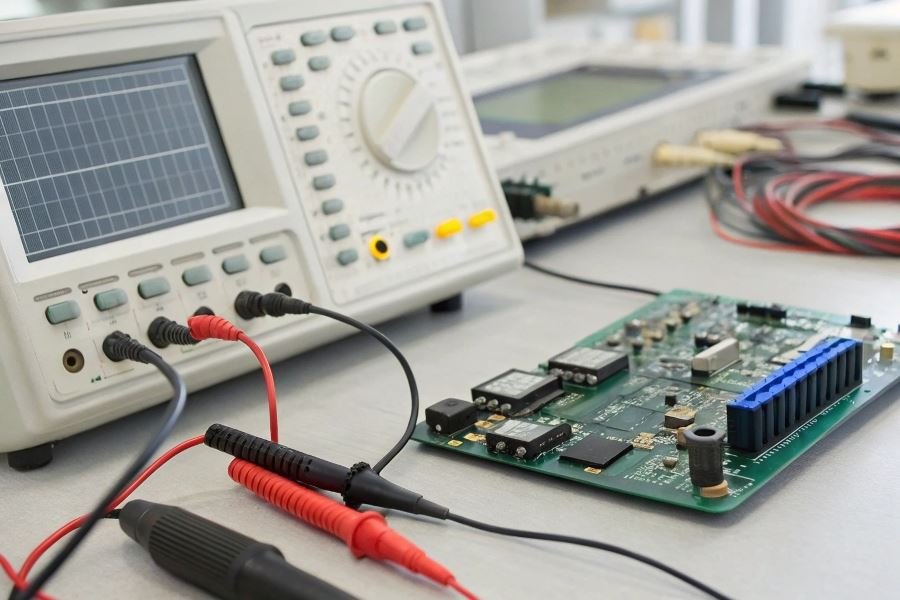
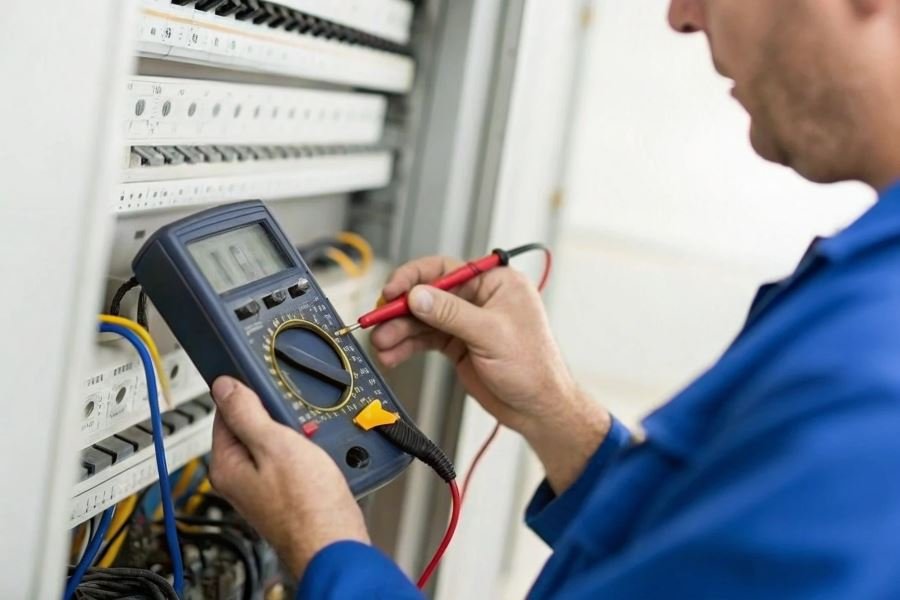
Ever wondered what stands between you and a potentially fatal electrical shock? The humble electrical measuring tester—a device so essential that professionals stake their lives on its accuracy daily.
Electrical measuring testers are specialized instruments designed to measure, display, and analyze electrical values like voltage, current, resistance, and continuity. Far from being just another tool in the box, these devices serve as the first line of defense for electricians, engineers, maintenance professionals, and increasingly, home DIY enthusiasts. When you’re working with electricity, guesswork isn’t just inefficient—it’s potentially deadly.
Reliability in these tools isn’t a luxury—it’s non-negotiable. The most trustworthy electrical testers share several critical characteristics: consistent accuracy across repeated measurements, robust construction that withstands jobsite abuse, clear displays readable in various lighting conditions, and intuitive operation that minimizes user error. Perhaps most importantly, reliable testers include safety features that protect users even during catastrophic electrical events.
The standards that safeguard lives
Behind every quality electrical tester stands a framework of rigorous standards. The International Electrotechnical Commission (IEC) 61010 standard, established in 2001, classifies measuring instruments into four safety categories (CAT I through CAT IV) based on their ability to withstand voltage spikes. A CAT III-1000V rating, for example, indicates the tester can safely handle transient voltages up to 8,000V in distribution-level applications.
“The difference between a good tester and a great one often comes down to certification. UL listing, CE marking, and proper CAT ratings aren’t marketing gimmicks—they’re verification that the device won’t fail when you need it most.”
With proper tools, electrical work transforms from potentially hazardous to precisely manageable. The right tester doesn’t just measure—it provides confidence with every reading.
The Titans of Testing: Most Reliable Electrical Measuring Brands
When precision meets durability in the electrical testing world, professionals don’t compromise. The electrical measurement landscape demands instruments that deliver consistent accuracy in harsh environments, from scorching rooftops to freezing substations. The most reliable brands of electrical measuring testers have earned their reputation through decades of field performance, engineering excellence, and unwavering accuracy when it matters most.
Let’s examine the three manufacturers that consistently dominate professional toolbelts and testing kits across industries.
Fluke: The Gold Standard of Measurement
Fluke has become virtually synonymous with electrical testing excellence since its founding in 1948. Their distinctive yellow multimeters represent more than just a tool—they’re an investment in certainty.
What sets Fluke apart:
- Military-grade durability – Fluke’s 87V Industrial Multimeter survives 10-foot drops onto concrete while maintaining calibration
- Unmatched accuracy – Typical DC voltage accuracy of ±0.05% when competitors struggle to match ±0.1%
- Safety innovations – Pioneer in implementing CAT IV 600V/CAT III 1000V safety ratings before industry standards required them
Their thermal imagers and power quality analyzers maintain this same commitment to precision. When a Fluke meter displays 120.3 volts, professionals stake their reputation on that reading being correct.
| Model | Key Feature | Typical Price Range |
|---|---|---|
| 87V | Industry standard multimeter | 300−450 |
| 376 FC | True-RMS clamp meter with iFlex | 450−550 |
| 1587 FC | Insulation multimeter | 800−1,000 |
Klein Tools: American-Made Toughness
While Klein Tools began with pliers and hand tools in 1857, their electrical testing equipment carries the same rugged DNA that made their hand tools legendary among tradespeople.
What makes Klein testers stand out:
- Field-focused design – Tools created by and for electricians, with practical features like backlit displays visible in dark panels
- Exceptional value proposition – Professional-grade accuracy at mid-range price points
- Integrated solutions – Their MM700 multimeter includes non-contact voltage testing, eliminating the need for separate tools
Klein’s testing equipment undergoes rigorous real-world testing by working electricians before reaching market. Their CL800 clamp meter exemplifies this approach—delivering essential functionality without unnecessary complexity at a price point that makes sense for independent contractors.
| Model | Key Feature | Typical Price Range |
|---|---|---|
| MM600 | Auto-ranging multimeter | 80−120 |
| CL800 | TRMS clamp meter | 130−180 |
| ET250 | Voltage tester | 40−60 |
Keysight Technologies: Engineering Excellence
Formerly Agilent’s electronic measurement division (which itself descended from Hewlett-Packard’s test equipment legacy), Keysight Technologies represents the cutting edge of measurement science.
What distinguishes Keysight:
- Laboratory-grade precision – Their handheld oscilloscopes deliver bench-quality measurements in field environments
- Software integration – Advanced data logging and analysis capabilities connect seamlessly with diagnostic software
- Innovation leadership – Consistently first-to-market with technologies like TrueIR thermal imaging and TrueVolt digital multimeter architecture
Keysight’s U1272A handheld multimeter exemplifies their approach—bringing 0.025% basic DCV accuracy to a portable form factor with Bluetooth connectivity for remote monitoring and data capture.
| Model | Key Feature | Typical Price Range |
|---|---|---|
| U1272A | Handheld multimeter with 0.025% accuracy | 400−500 |
| U1610A | Handheld oscilloscope | 1, 800−2,200 |
| U5855A | TrueIR thermal imager | 3, 500−4,000 |
Each of these manufacturers has earned their reputation through consistent performance when failure isn’t an option. Whether you prioritize Fluke’s legendary reliability, Klein’s practical ruggedness, or Keysight’s technological sophistication, investing in quality testing equipment pays dividends in accuracy, safety, and confidence.
Making the Smart Investment in Electrical Measuring Testers
Warranty Protection That Speaks Volumes
When evaluating the most reliable electrical testing equipment, warranty coverage reveals a manufacturer’s confidence in their products. Fluke leads the industry with their exceptional lifetime limited warranty on many professional models, while offering a standard three-year coverage on most other testers. This commitment to quality significantly outpaces competitors like Klein Tools, which typically provides a two-year warranty, though their premium models extend to five years.
Keysight (formerly Agilent) offers three-year warranties standard across their professional line, with options to extend coverage to five years for an additional fee. Meanwhile, Amprobe provides a limited lifetime warranty on select models and a one-year standard warranty on entry-level testers.
What truly distinguishes top-tier warranties isn’t just duration but comprehensiveness. Fluke’s warranty includes calibration services on select models, while Keysight offers expedited replacement programs that minimize downtime—critical for professionals whose livelihoods depend on functional equipment.
The True Cost of Quality Testing Equipment
The relationship between price and reliability isn’t always linear. Consider this breakdown of value propositions:
| Brand | Entry-Level Price | Professional Price | Typical Lifespan | Cost Per Year |
|---|---|---|---|---|
| Fluke | $100-200 | $300-1,500+ | 7-10+ years | $30-150 |
| Klein Tools | $50-120 | $150-400 | 5-7 years | $25-80 |
| Keysight | $200-300 | $500-2,000+ | 6-9 years | $55-222 |
| Amprobe | $40-100 | $150-500 | 4-6 years | $25-125 |
The initial sticker shock of premium brands like Fluke and Keysight often dissolves when considering the total cost of ownership. A $500 Fluke multimeter that lasts a decade represents better value than replacing a $150 generic model every two years. Additionally, higher-end models typically offer superior accuracy—critical when precision measurements affect project outcomes and safety.
Reliability isn’t just about durability—it’s about consistent performance under challenging conditions. Premium testers maintain calibration longer and perform reliably in extreme temperatures, dusty environments, and after inevitable drops and bumps.
Finding Your Perfect Match
Matching tester capabilities to specific applications dramatically impacts satisfaction and effectiveness:
For electrical contractors and field technicians, Fluke models like the 87V or 117 offer the ruggedness and reliability needed for daily professional use. Their ability to withstand harsh conditions and provide accurate readings in noisy electrical environments justifies the premium price.
For HVAC specialists, Klein Tools offers specialized testers with features tailored to their needs at more accessible price points, making them an excellent value proposition for this specific application.
Hobbyists and DIY enthusiasts can find excellent value in Amprobe testers, which provide reliable performance for occasional use without breaking the bank.
For laboratory and R&D environments where precision is paramount, Keysight equipment delivers exceptional accuracy and stability, with comprehensive data logging capabilities that justify their higher price points.
The most satisfied users typically purchase slightly above their current skill level, allowing room to grow into the equipment’s capabilities rather than quickly outgrowing a basic model. This approach—investing in quality that slightly exceeds current requirements—consistently yields the highest long-term satisfaction and value.
The best electrical tester isn’t necessarily the most expensive one, but rather the one that reliably performs the specific functions you need, when you need them, for as long as you need them.
Discover the top 3 electrical tester brands trusted by professionals: Fluke, Klein Tools, and Keysight Technologies. Compare precision, durability, and value to find the perfect reliable measuring tool for your electrical projects.
Discover the top 3 electrical tester brands trusted by professionals: Fluke, Klein Tools, and Keysight Technologies. Compare precision, durability, and value to find the perfect reliable measuring tool for your electrical projects.