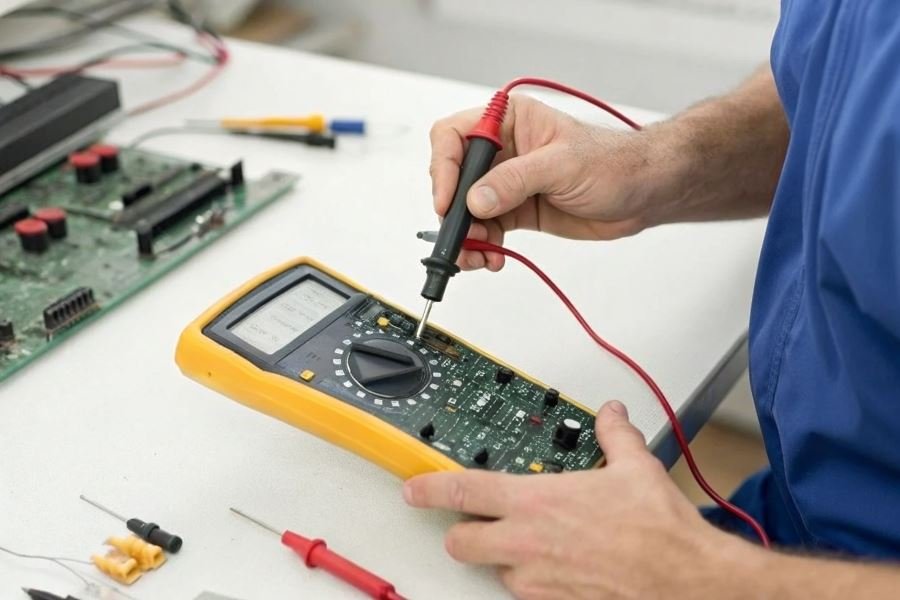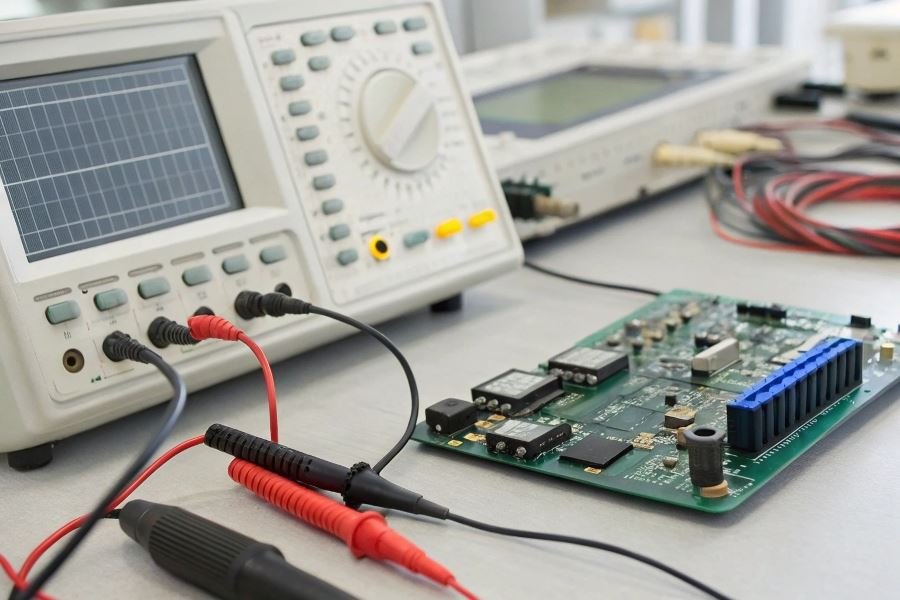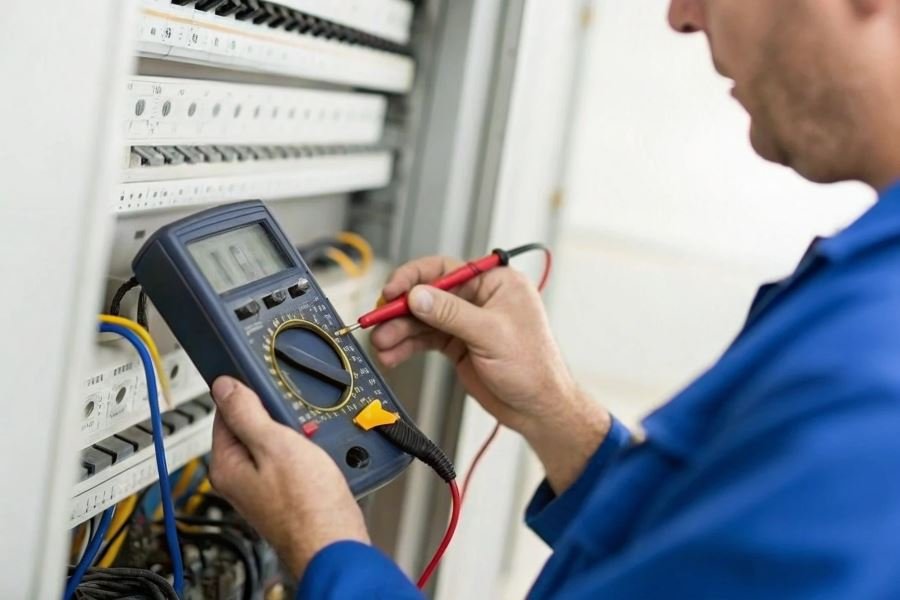
Ever wondered what separates a professional electrician from an amateur? It’s not just experience—it’s the tools they trust. Electrical measuring testers are the unsung heroes of electrical work, providing critical insights that can mean the difference between a successful project and a dangerous mistake.
Electrical measuring testers are specialized instruments designed to measure, display, and analyze electrical parameters such as voltage, current, resistance, and continuity. Think of them as the doctor’s stethoscope for electrical systems—they help diagnose problems before they become catastrophic failures.
When selecting the right tester, several key characteristics demand attention. Accuracy tops the list—professional-grade testers offer precision within ±0.5% or better, essential when working with sensitive electronics. Safety ratings (CAT III or CAT IV) determine where you can safely use the device, from residential circuits to industrial power distribution. Measurement range capabilities must align with your typical applications, whether you’re testing low-voltage electronics or high-power industrial equipment.
The consequences of choosing the wrong tester can be severe. A residential electrician using an inadequately rated tester on industrial equipment risks both inaccurate readings and personal safety. Conversely, an electronics technician needs finer measurement resolution than what a general-purpose tester provides.
“The right tester doesn’t just measure—it provides confidence in every decision you make about an electrical system.”
Your specific application should drive your selection process, ensuring you have the right tool for every electrical challenge you face.
Essential Characteristics That Define Quality Testers
When selecting an electrical measuring tester, professionals understand that the right tool can mean the difference between efficiency and frustration, accuracy and guesswork, or even safety and danger. The market offers countless options, from basic voltage detectors to advanced multimeters with data logging capabilities. Understanding the main characteristics of electrical measuring testers when choosing helps technicians, engineers, and DIY enthusiasts make informed decisions that align with their specific needs and working conditions.
Measurement Capabilities That Matter
The primary function of any electrical tester is, naturally, to measure. But what it measures and how well it measures are critical distinctions:
- Measurement range determines whether your tester can handle the values you’ll encounter
- Resolution indicates the smallest change in measurement the device can detect
- Basic accuracy (typically expressed as ±% of reading) reveals how close measurements are to true values
High-quality digital multimeters like the Fluke 87V offer accuracy ratings of ±0.05% for DC voltage measurements, while budget models might only achieve ±0.5% accuracy. For professionals working with sensitive electronics or precision equipment, this tenfold difference in accuracy isn’t just a specification—it’s a requirement.
The difference between a good tester and a great one often comes down to its ability to maintain accuracy across varying conditions and throughout its service life.
Temperature changes, battery condition, and even humidity can affect measurement accuracy. Premium models include temperature compensation and regular calibration capabilities to maintain reliability in diverse environments.
Safety Ratings That Protect Lives
Safety isn’t optional when working with electricity. Electrical measuring testers are categorized according to international safety standards that define their protection levels:
| CAT Rating | Environment | Maximum Voltage |
|---|---|---|
| CAT I | Electronics, signal equipment | 1000V |
| CAT II | Household appliances, portable tools | 1000V |
| CAT III | Distribution equipment, fixed installations | 1000V |
| CAT IV | Origin of installation, utility connections | 1000V |
The CAT rating indicates the tester’s ability to withstand transient voltages—dangerous spikes that can occur in electrical systems. A CAT IV-rated meter provides substantially more protection than a CAT II meter, even if both are rated for the same voltage.
Independent certification from organizations like UL, CSA, or TÜV provides verification that the tester meets these safety standards. Never compromise on safety ratings—a $200 investment in a properly rated tester is insignificant compared to the potential cost of an electrical accident.
Build Quality That Survives Real-World Use
The durability of measuring equipment directly impacts both safety and long-term value. Key build quality considerations include:
- Impact resistance – Can it survive a drop from working height?
- Ingress protection (IP rating) – How well does it resist dust and moisture?
- Terminal quality – Are input jacks robust and well-insulated?
- Display protection – Is the screen recessed or protected against impacts?
Tools like the Klein Tools MM700 feature rubberized overmolding that absorbs impacts, while the Megger MIT400 series offers IP54 protection against dust and water splashes.
For professionals who work in challenging environments—whether industrial settings, outdoor installations, or cramped mechanical rooms—these durability features aren’t luxuries but necessities that ensure the tester remains functional and accurate throughout years of service.
The best electrical measuring testers balance these three essential characteristics—measurement capabilities, safety ratings, and build quality—to deliver reliable performance when it matters most. Investing in quality testing equipment ultimately saves time, improves work quality, and most importantly, helps ensure everyone goes home safely at the end of the day.
Selecting the Perfect Electrical Tester
Match your tester to your testing needs
Choosing the right electrical measuring tester ultimately comes down to understanding your specific applications. Professional electricians working on industrial systems need dramatically different capabilities than homeowners troubleshooting simple circuits. The most sophisticated multimeter with CAT IV safety rating and data logging won’t serve you well if its complexity prevents you from using it effectively.
Start by honestly assessing your typical measurement scenarios:
- Voltage ranges you’ll commonly encounter
- Current measurements you’ll need to take
- Resistance testing requirements
- Special functions like capacitance, frequency, or temperature
For instance, HVAC technicians benefit tremendously from testers with temperature probes, while automotive technicians need tools that can handle DC systems and diagnose vehicle-specific parameters. The Fluke 87V excels in industrial environments, while the Klein Tools MM400 might be perfect for residential electricians.
The best electrical tester isn’t necessarily the most expensive one—it’s the one that reliably measures what you need, when you need it, without unnecessary complications.
Value beyond the price tag
When evaluating cost-effectiveness, look past the initial purchase price. A quality tester from manufacturers like Fluke or Keysight might cost $150-300, but their accuracy, durability, and reliability deliver superior long-term value compared to $30 bargain alternatives.
Consider these value factors:
| Factor | Impact on Value |
|---|---|
| Accuracy | Prevents costly mistakes and rework |
| Durability | Reduces replacement frequency |
| Warranty | Protects investment |
| Battery life | Minimizes operational costs |
| Calibration needs | Affects ongoing maintenance expenses |
The true cost of ownership includes replacement batteries, calibration services, and potential downtime. A tester that needs recalibration every six months might ultimately cost more than a premium model with two-year calibration intervals, especially when you factor in lost productivity.
Keeping your tester in peak condition
Even the finest measuring instruments require proper maintenance to maintain accuracy and reliability. Implement these practices to maximize your tester’s lifespan:
- Store properly in a protective case away from extreme temperatures and humidity
- Clean regularly using compressed air for dust removal and isopropyl alcohol for contacts
- Check batteries before critical measurements and replace them promptly
- Inspect test leads for damage or wear, replacing them at first sign of deterioration
- Follow calibration schedules recommended by the manufacturer
For professional users, maintaining calibration certificates is essential—not just for accuracy but often for regulatory compliance. Most manufacturers recommend annual calibration, though high-precision work may require more frequent verification.
Remember that even the most rugged testers have limitations. The Amprobe AM-570 might be drop-tested to 6 feet, but that doesn’t mean it should be treated carelessly. Respect your tools, and they’ll deliver reliable measurements for years to come.
Discover the essential characteristics of electrical measuring testers for professional applications. Learn about accuracy specifications, safety ratings, and durability factors to make an informed purchase decision for your electrical testing needs.
Discover the essential characteristics of electrical measuring testers for professional applications. Learn about accuracy specifications, safety ratings, and durability factors to make an informed purchase decision for your electrical testing needs.