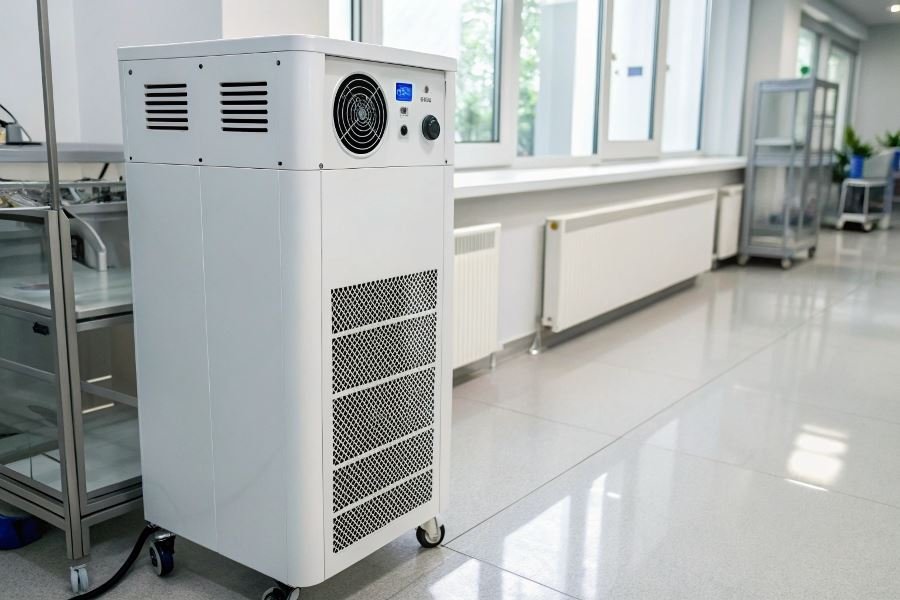
Did you know the air inside your home can be up to 5 times more polluted than outdoor air? This startling reality has driven the surge in air purification technology, with air sterilizers emerging as powerful defenders of indoor air quality.
Selecting the right air sterilizer isn’t just about cleaner air—it’s about creating a foundation for health and wellbeing in your living or working space. When evaluating these devices, understanding their core technologies becomes crucial for making an informed investment. The market offers several distinct approaches to air sterilization, each with unique strengths:
- HEPA filtration captures 99.97% of particles as small as 0.3 microns
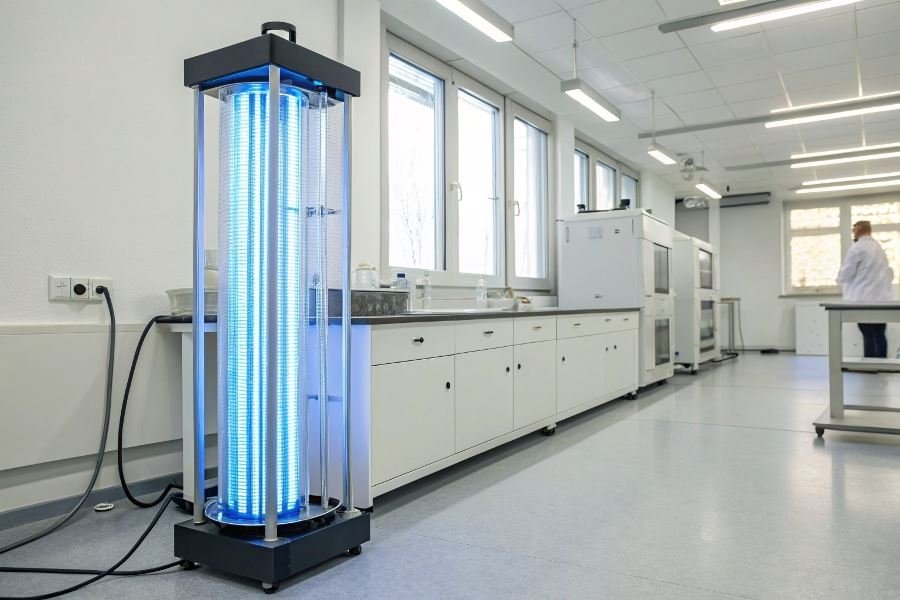
- UV-C light technology disrupts the DNA of microorganisms, preventing reproduction
- Ionization systems charge particles so they stick to surfaces rather than float in your air
- Photocatalytic oxidation creates hydroxyl radicals that break down pollutants
“The right air sterilizer doesn’t just filter—it transforms your indoor environment.”
While these technologies offer impressive benefits, setting realistic expectations matters. Air sterilizers excel at reducing airborne pathogens, allergens, and certain VOCs, but they can’t eliminate surface contaminants or replace proper ventilation. The most effective approach combines air sterilization with regular cleaning and adequate fresh air exchange.
For optimal protection, consider your specific needs—room size, primary concerns (allergies, odors, viruses), and maintenance requirements—before investing in technology that will silently safeguard your breathing space for years to come.
Technical Essentials That Make or Break Air Sterilizers
When shopping for an air sterilizer, the difference between breathing easy and wasting money often comes down to understanding a handful of critical specifications. The market has exploded with options, but not all devices deliver on their promises. Let’s dive into the technical details that truly matter.
The first consideration when evaluating what to pay attention to when buying an air sterilizer should be the coverage area and Clean Air Delivery Rate (CADR). These aren’t just numbers on a box—they’re the foundation of effectiveness in real-world conditions.
Coverage Area and CADR: Size Matters
A sterilizer’s coverage area tells you the maximum space it can effectively clean, typically measured in square feet. Purchasing a unit rated for 300 sq. ft. when your space is 500 sq. ft. is like bringing a knife to a gunfight—technically a weapon, but woefully inadequate.
CADR ratings are even more revealing. Measured in cubic feet per minute (CFM), they indicate how quickly the device filters specific pollutants:
| Pollutant Type | Good CADR Rating | Excellent CADR Rating |
|---|---|---|
| Dust | 100+ CFM | 200+ CFM |
| Pollen | 100+ CFM | 200+ CFM |
| Smoke | 80+ CFM | 180+ CFM |
Pro tip: For optimal performance, choose a unit with a CADR rating at least two-thirds of your room’s square footage.
Filtration Technology: Not All Methods Are Created Equal
Modern air sterilizers employ various technologies, each with distinct advantages:
- HEPA Filtration: Captures 99.97% of particles as small as 0.3 microns
- UV-C Light: Destroys microorganisms’ DNA, rendering them harmless
- Activated Carbon: Absorbs odors and volatile organic compounds (VOCs)
- Ionization: Charges particles so they stick to surfaces or filters
- Photocatalytic Oxidation: Creates hydroxyl radicals that break down pollutants
The most effective units combine multiple technologies. For example, Molekule uses PECO technology that destroys pollutants at the molecular level, while IQAir focuses on hospital-grade HyperHEPA filtration.
The right technology depends on your specific concerns. Allergy sufferers should prioritize HEPA, while those battling odors need activated carbon. Households with immunocompromised members benefit most from UV-C or advanced oxidation.
Noise, Energy, and Maintenance: The Long-Term Relationship
An air sterilizer is a long-term companion, making these practical considerations crucial:
Noise Levels
Measured in decibels (dB), noise levels range from whisper-quiet (25dB) to conversation-level (60dB). Units with multiple fan speeds offer flexibility, but check the noise rating at the highest setting—that’s what you’ll need for maximum cleaning power.
Energy Consumption
Energy-efficient models may cost more upfront but save money over time. Look for:
- ENERGY STAR certification
- Wattage ratings (lower is better)
- Smart features that adjust operation based on air quality
Maintenance Requirements
The hidden cost of ownership often lies in filter replacements:
- HEPA filters: Typically $50-100, replaced every 6-12 months
- Carbon filters: $30-60, replaced every 3-6 months
- UV-C bulbs: $30-80, replaced every 1-2 years
Bottom line: Calculate the annual maintenance cost before purchase. A $200 sterilizer requiring $300 in yearly filters is actually more expensive than a $500 unit with $100 annual maintenance.
The best air sterilizer balances these technical specifications with your specific needs, space constraints, and budget. By focusing on these essential metrics rather than marketing claims, you’ll breathe easier—both literally and figuratively.
Making the Smart Air Sterilizer Investment
Warranty and Support Matter More Than You Think
When finalizing your air sterilizer purchase, the manufacturer’s warranty isn’t just fine print—it’s your protection plan. Leading brands like Molekule and Dyson typically offer 2-5 year warranties, signaling confidence in their technology. What separates exceptional manufacturers is responsive customer support that doesn’t vanish after purchase.
Reputation speaks volumes. Companies with established track records tend to honor warranties without hassle. Before purchasing, investigate:
- Customer service response times (under 24 hours is ideal)
- Availability of replacement parts
- Existence of authorized service centers in your region
A manufacturer that’s been in business for 10+ years has weathered market challenges and likely maintains quality standards. The BlueAir brand, for instance, has built credibility since 1996 with consistent performance and service.
The true cost of an air sterilizer isn’t just the purchase price—it’s the total ownership experience over its lifetime.
Performance Within Your Price Range
Air sterilizers span from $100 budget models to $1,000+ premium units. The sweet spot for most households falls between $300-500, where you’ll find effective HEPA filtration combined with UV or photocatalytic technology.
When balancing budget against performance:
- Prioritize effective filtration over bonus features like color-changing lights or app connectivity
- Consider long-term operational costs including replacement filters and electricity usage
- Look for Energy Star certification to ensure efficiency
| Price Range | What You Can Expect |
|---|---|
| $100-200 | Basic HEPA filtration, smaller coverage areas (100-200 sq ft) |
| $300-500 | HEPA + additional sterilization technology, medium coverage (300-500 sq ft) |
| $600+ | Hospital-grade filtration, large coverage areas, advanced features |
Remember that a 400unitthateffectivelycleansyourairforfiveyears(80/year) offers better value than a 200modelthatneedsreplacementaftertwoyears(100/year).
Three Non-Negotiable Features Worth Every Dollar
After analyzing dozens of models and user experiences, these three features consistently deliver the best return on investment:
-
True HEPA filtration with 99.97% efficiency – This industry standard captures particles as small as 0.3 microns, including most allergens, dust, and some bacteria. The IQAir HealthPro series takes this further with HyperHEPA technology capturing particles down to 0.003 microns.
-
UV-C light sterilization technology – While HEPA traps particles, UV-C light actually destroys microorganisms’ DNA. This one-two punch approach significantly reduces airborne pathogens. The GermGuardian models combine these technologies effectively at mid-range price points.
-
Automatic air quality monitoring – Sensors that detect pollutant levels and adjust operation accordingly optimize both performance and energy usage. This “set and forget” functionality from brands like Coway ensures you’re never over or under-filtering.
These core features deliver tangible health benefits while minimizing maintenance headaches—the definition of value in air purification technology.
Discover the 10 critical features to evaluate when buying an air sterilizer for healthier indoor air. Learn about CADR ratings, filtration technologies, coverage area, and maintenance requirements to make an informed purchase decision.
Discover the 10 critical features to evaluate when buying an air sterilizer for healthier indoor air. Learn about CADR ratings, filtration technologies, coverage area, and maintenance requirements to make an informed purchase decision.