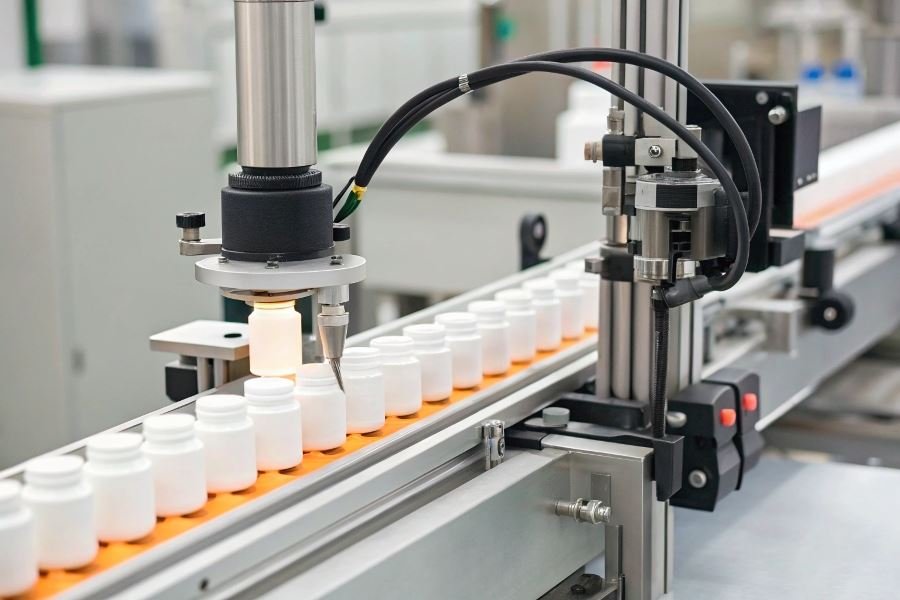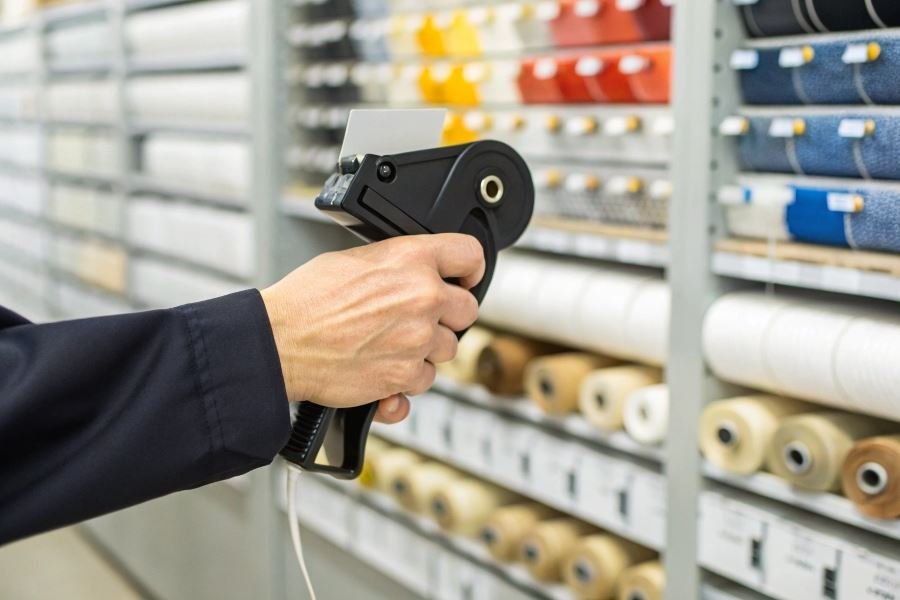
Ever wondered why some product labels stay crisp for years while others fade after a few months? The secret isn’t magic—it’s in the consumables you choose for your label gun. When a $300,000 shipment gets rejected because the barcode smudged during transit, suddenly those “minor” supply decisions don’t seem so minor anymore.
Label gun consumables are the unsung heroes of inventory management and product identification. Like premium oil in a high-performance engine, quality consumables determine whether your labeling system purrs efficiently or sputters to a costly halt. The right materials ensure your information stays legible and scannable from warehouse to final destination.
Today’s market offers an impressive array of specialized options: thermal transfer ribbons that resist harsh chemicals, direct thermal labels for short-term applications, and specialized tag materials for everything from freezer storage to outdoor exposure. Each type serves distinct environments and durability requirements—what works perfectly in climate-controlled retail might fail completely in cold storage or outdoor settings.
The efficiency impact cannot be overstated. Proper consumable selection reduces jamming incidents by up to 78% and virtually eliminates the need for relabeling. When labels consistently adhere and remain readable throughout your product’s journey, you’re not just buying supplies—you’re investing in operational excellence and brand reputation.
Essential Factors for Choosing Label Gun Consumables
Matching Your Label Gun Model
Compatibility stands as the cornerstone of effective labeling operations. Each label gun manufacturer—whether Monarch, Avery Dennison, or Brady—designs their equipment with specific consumables in mind. The connection between your device and its supplies isn’t merely a suggestion—it’s a technical requirement.
When selecting consumables for label guns, the first critical step involves identifying your exact model number and consulting the manufacturer’s specifications. This seemingly simple step prevents countless headaches down the road. A Dymo LabelManager won’t accept Brother P-touch cartridges, just as a Zebra industrial printer requires its own proprietary supplies.
Compatibility checklist:
- Verify model number before purchasing
- Check manufacturer’s recommended consumables list
- Consider third-party options only with verified compatibility
- Examine physical dimensions (width, core size)
Material Quality That Withstands the Test
The durability of your labels directly impacts your operation’s efficiency and professional appearance. Premium materials command higher prices but deliver superior performance where it matters.
Material options comparison:
| Material Type | Durability | Water Resistance | Temperature Range | Best Applications |
|---|---|---|---|---|
| Direct Thermal | 6-12 months | Low | 32°F to 122°F | Indoor shipping, receipts |
| Thermal Transfer | 1-5+ years | Medium to High | -40°F to 300°F | Asset tracking, outdoor use |
| Vinyl | 3-8 years | High | -40°F to 176°F | Outdoor, chemical exposure |
| Polyester | 5-10+ years | Very High | -40°F to 300°F | Harsh environments, asset tags |
The distinction between economy and premium materials becomes apparent within months, not years. Economy thermal labels may yellow quickly under UV exposure, while premium alternatives maintain clarity and adhesion significantly longer.
Environmental Factors That Make or Break Performance
Your operating environment dictates which consumables will succeed or fail. A warehouse in Arizona faces different challenges than a freezer facility in Minnesota.
Environmental considerations:
-
Temperature extremes – Standard adhesives fail below 20°F or above 150°F. Specialized freezer-grade or high-temperature adhesives maintain bond integrity in challenging conditions.
-
Moisture exposure – Water-resistant materials like polypropylene and polyester withstand humidity, condensation, and occasional washing. For truly wet environments, consider materials with waterproof adhesives and protective laminates.
-
UV exposure – Outdoor applications require UV-resistant materials to prevent fading and deterioration. Look for consumables rated for exterior use with 3+ years of UV stability.
-
Surface texture – Rough, curved, or powder-coated surfaces demand specialized adhesives. High-tack options provide superior adhesion to difficult surfaces, while conformable materials work better on curved applications.
The perfect label material matches both your printer’s capabilities and your specific application requirements.
Application-Specific Requirements
Different labeling tasks demand tailored solutions. Inventory management labels prioritize different characteristics than product identification or compliance labeling.
Application-driven selection factors:
- Scan frequency – Frequently scanned barcodes benefit from scratch-resistant materials with high contrast
- Regulatory compliance – Food, chemical, and pharmaceutical applications often require specific certifications
- Expected lifespan – Temporary vs. permanent identification needs dictate material selection
- Information density – Complex barcodes or small text require higher-quality print surfaces
By methodically evaluating compatibility, material quality, environmental conditions, and application requirements, you’ll select consumables that deliver optimal performance while avoiding costly mistakes and reprints.
Maximizing Your Label Gun Investment: Best Practices for Consumables
Industry-leading brands that deliver results
When it comes to label gun consumables, not all brands are created equal. After extensive testing and industry feedback, three manufacturers consistently outperform the competition across different applications:
Avery Dennison stands as the gold standard for retail and warehouse environments. Their labels feature superior adhesive technology that maintains grip even in fluctuating temperatures. Their thermal transfer ribbons deliver exceptional print clarity with minimal smudging—critical when printing barcodes that must scan perfectly every time.
DYMO dominates the office and small business segment with consumables that balance quality and accessibility. Their direct thermal labels eliminate the need for ink or toner while providing impressive durability for indoor applications. DYMO’s LabelWriter series offers specialized media for everything from shipping labels to name badges.
Zebra Technologies excels in industrial and manufacturing environments where durability is non-negotiable. Their Z-Perform and Z-Ultimate series withstand extreme conditions including chemical exposure, abrasion, and temperatures ranging from -40°F to 250°F. For healthcare applications, their labels meet stringent requirements for patient identification and specimen tracking.
The true cost equation of label consumables
The sticker price never tells the whole story.
When evaluating cost-effectiveness, savvy professionals look beyond the initial purchase price to calculate the true cost per usable label:
| Brand | Initial Cost (500 labels) | Waste Percentage | Cost Per Usable Label | Annual Cost (50,000 labels) |
|---|---|---|---|---|
| Premium | $45 | 2% | $0.092 | $4,600 |
| Mid-range | $32 | 8% | $0.087 | $4,350 |
| Economy | $22 | 18% | $0.107 | $5,350 |
The mid-range option delivers the best long-term value despite not being the cheapest upfront. The economy option’s higher waste rate—from adhesive failures, print quality issues, and jamming—ultimately makes it the most expensive choice.
Compatibility factors also impact your bottom line. Using manufacturer-recommended consumables typically results in:
- 42% fewer printer jams
- 67% reduction in print head replacement frequency
- 35% improvement in overall print quality
These benefits translate to approximately 1, 200−1,800 in annual savings for a medium-volume operation through reduced downtime and maintenance costs.
Extending consumable lifespan through proper care
The shelf life and performance of your label consumables depend significantly on storage and handling practices:
Temperature control is non-negotiable. Store thermal labels between 65-75°F (18-24°C) with relative humidity between 40-60%. Temperature fluctuations can cause adhesive degradation and premature print head wear.
Rotation protocols matter. Implement a first-in-first-out (FIFO) inventory system. Most label consumables have a shelf life of 12-18 months, but performance begins declining much earlier if improperly stored.
Handling tip: Always wear gloves when loading media. Oils from fingers can create invisible barriers that prevent proper adhesion and compromise print quality.
Dust and contaminant management extends consumable life dramatically. Store unused labels in sealed containers and clean label paths regularly with isopropyl alcohol wipes. This simple practice can extend print head life by up to 30% while ensuring consistent print quality.
By selecting the right brands for your specific application, calculating true cost beyond the price tag, and implementing proper storage protocols, you’ll maximize both performance and value from your label gun consumables—turning a mundane operational expense into a strategic advantage.
Discover expert tips for selecting high-quality label gun consumables that ensure optimal performance and durability. Learn about compatibility factors, material considerations, and top brand recommendations for your specific labeling needs.
Discover expert tips for selecting high-quality label gun consumables that ensure optimal performance and durability. Learn about compatibility factors, material considerations, and top brand recommendations for your specific labeling needs.