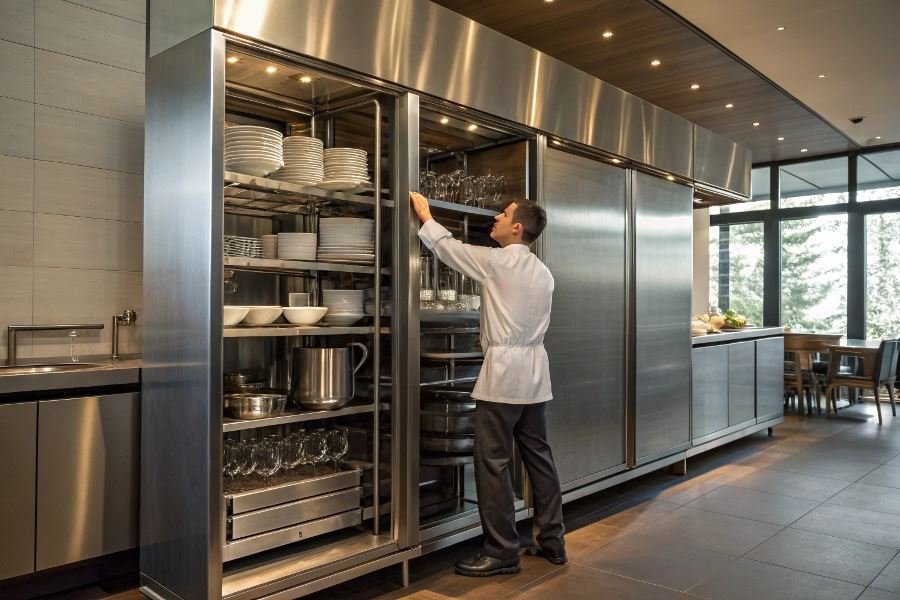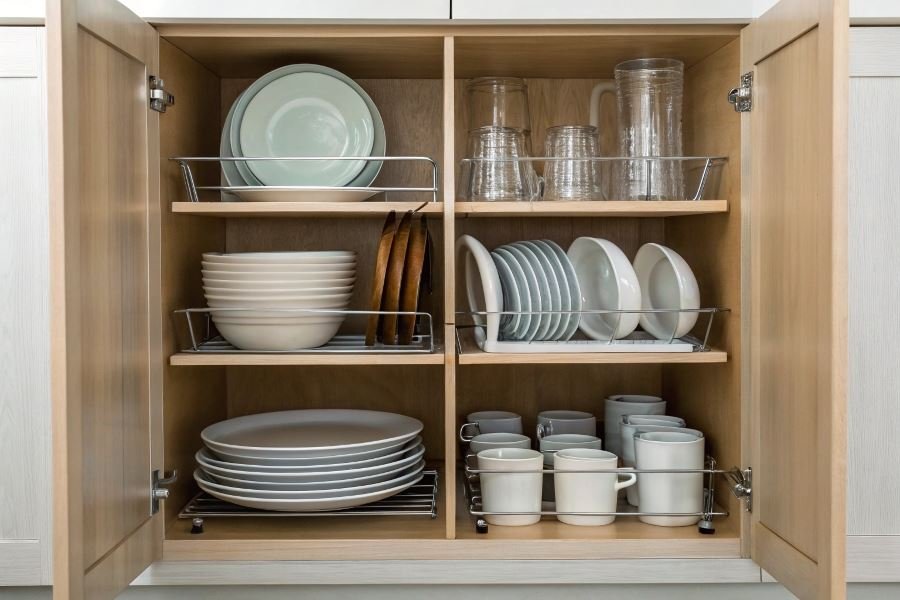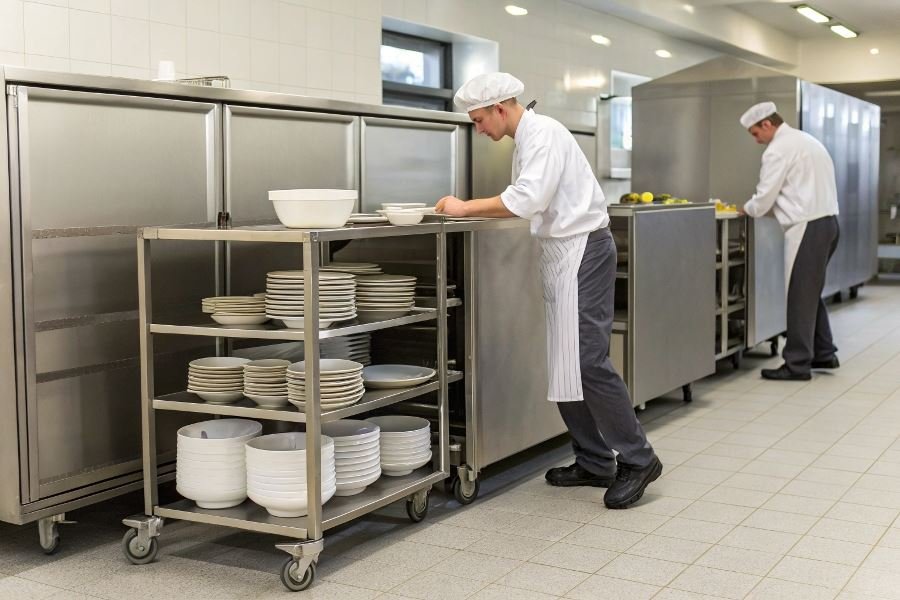
Ever walked through a bustling commercial kitchen during peak hours? The choreographed chaos might seem random, but behind every smooth operation lies strategic equipment placement—including those wheeled wonders known as mobile dish cabinets.
These specialized storage solutions represent far more than metal shelves on wheels. At their core, mobile dish cabinets serve as dynamic storage systems designed to safely transport, store, and organize dishware, utensils, and food preparation tools throughout production environments. Their fundamental purpose? To bring order to chaos while maximizing both space utilization and workflow efficiency.
The evolution of these cabinets tells a fascinating story of kitchen innovation. What began as simple wooden carts in early 20th century commercial kitchens has transformed into sophisticated stainless steel systems with specialized compartments, antimicrobial surfaces, and ergonomic design features. The 1950s saw the first purpose-built commercial mobile storage units, but the real revolution came in the 1980s when modular design principles transformed kitchen logistics forever.
Today’s market offers an impressive array of options—from basic transport carts to temperature-controlled cabinets with digital monitoring systems. Industry standards now demand NSF certification, ensuring materials meet strict food safety requirements. Leading manufacturers have pushed boundaries with customizable configurations featuring adjustable shelving, specialized dish dividers, and even integrated inventory tracking.
The humble mobile cabinet has evolved from simple convenience to essential infrastructure—a testament to how thoughtful design can transform production efficiency one rolling shelf at a time.
When Mobile Dish Cabinets Become Essential
In commercial kitchens across America, efficiency isn’t just a buzzword—it’s the difference between profit and chaos. Mobile cabinets for dishes have emerged as unsung heroes in production environments where every second and square inch counts. These versatile units transform how culinary operations handle their workflow, creating solutions where traditional setups fall short.
High-Volume Operations and the Transportation Challenge
When a restaurant or catering facility serves hundreds or even thousands of meals daily, the logistics of dish management become exponentially complex. Mobile cabinets for dishes: when they are necessary in production becomes particularly evident in high-volume environments where the constant flow between cleaning stations and service areas creates bottlenecks.
The numbers tell the story: A typical banquet hall serving 500 guests might handle over 2,000 dishes in a single service. Without proper transportation solutions, staff might make 20+ trips between washing stations and storage—wasting approximately 40 minutes per service.
High-volume operations benefit from specialized cabinets with features like:
- Heavy-duty casters rated for 500+ pounds
- Moisture-resistant materials that withstand constant sanitizing
- Ergonomic handles positioned at optimal pushing height
- Locking mechanisms to prevent movement during loading/unloading
The Cambro ADCS and Metro C5 series exemplify how these specialized units can transform operations, reducing labor costs by up to 30% in dish handling alone.
Maximizing Limited Space Environments
In urban restaurants where every square foot represents significant overhead, fixed storage solutions can be prohibitively expensive. Mobile cabinets shine in these constrained environments.
The flexibility to reconfigure space as needed becomes invaluable when kitchen real estate is at a premium.
Consider these space-optimization scenarios:
| Scenario | Traditional Solution | Mobile Cabinet Advantage |
|---|---|---|
| Prep time | Fixed shelving occupies space 24/7 | Cabinets move to storage areas when not needed |
| Service rush | Dedicated dish staging areas | Cabinets position exactly where needed, then relocate |
| Special events | Overflow into staff areas | Temporary expansion into adjacent spaces |
Restaurants in New York, San Francisco, and Chicago have reported space efficiency improvements of 15-25% after implementing mobile dish storage systems from manufacturers like Lakeside.
Multi-Zone Facilities and Operational Flow
Perhaps nowhere is the value of mobile dish cabinets more apparent than in facilities with multiple serving zones or production areas. Hotels, convention centers, and healthcare facilities often operate with centralized washing but distributed service points.
These environments face unique challenges:
- Distance management – When washing stations might be hundreds of feet from service areas
- Temperature control – Maintaining appropriate dish temperatures during transport
- Inventory distribution – Ensuring each service area has appropriate quantities
- Cross-contamination prevention – Keeping clean and soiled items separated
The Hupfer transport systems address these challenges with specialized insulation, compartmentalization, and tracking features that maintain both temperature and inventory control across multiple zones.
Smart operators recognize that the initial investment in quality mobile cabinets typically pays for itself within 12-18 months through labor savings alone.
When production zones span multiple floors or buildings, specialized elevator-compatible units with proper braking systems and narrower profiles ensure seamless transitions between areas without compromising capacity or safety.
Selecting the Right Mobile Cabinet for Your Production Environment
When production efficiency hinges on organization and accessibility, the humble mobile dish cabinet transforms from a mere convenience into a critical operational asset. The right cabinet doesn’t just store—it streamlines workflows, protects valuable dishware, and adapts to your evolving production needs.
Material Construction That Withstands Industrial Demands
The foundation of any worthwhile mobile cabinet begins with its construction materials. In production environments where moisture, temperature fluctuations, and chemical exposure are daily realities, material selection becomes paramount.
Stainless steel reigns supreme in food production settings, with 304-grade offering excellent corrosion resistance while 316-grade provides superior protection against harsh chemicals and salt exposure. The difference matters—a cabinet that might last 5 years in 304 steel could serve for 8+ years in 316 construction when exposed to aggressive cleaning agents.
Aluminum alternatives offer weight advantages (typically 30% lighter than comparable steel models), but sacrifice some durability in high-traffic environments. For operations where cabinets travel significant distances daily, this weight reduction translates to reduced staff fatigue.
The weld quality on your cabinet corners tells the true story of its construction integrity. Examine these junction points carefully—they’re the first to fail under heavy loads.
Polycarbonate doors provide visibility while maintaining hygiene standards, but verify thickness specifications of at least 3mm to ensure they won’t crack under daily use. Some manufacturers like Cambro offer antimicrobial protection embedded directly into their materials—a feature that can reduce bacterial growth by up to 99.9%.
Sizing and Mobility Specifications That Match Your Operation
Cabinet dimensions must align precisely with both your dishware inventory and facility constraints. Consider these critical specifications:
| Specification | Small Production | Medium Production | Large Production |
|---|---|---|---|
| Height Range | 48-60 inches | 60-72 inches | 72-80 inches |
| Capacity (plates) | 100-200 | 200-400 | 400-600+ |
| Wheel Diameter | 4-5 inches | 5-6 inches | 6-8 inches |
| Weight Capacity | 300-400 lbs | 400-600 lbs | 600-800+ lbs |
Maneuverability features deserve scrutiny beyond basic wheel size. Look for cabinets with directional locking casters that allow straight-line movement when needed. The difference between standard casters and premium models with sealed bearings becomes apparent after months of use on uneven floors.
For operations with elevation changes, models from Metro featuring ergonomic handles positioned at multiple heights allow staff of varying statures to safely navigate ramps and thresholds without strain.
Maintenance Requirements and Long-Term Value
The true cost of a mobile cabinet extends far beyond its purchase price. Evaluate these maintenance factors to understand total ownership costs:
Gasket quality determines cleaning frequency and replacement intervals. Silicone gaskets typically outlast vinyl alternatives by 2-3 years in high-temperature environments but command a 15-20% price premium upfront.
Modular design elements that allow for component replacement rather than full cabinet replacement can extend useful life by 40-50%. Lakeside Manufacturing offers systems where damaged doors, gaskets, and even caster assemblies can be replaced independently.
Consider these long-term value indicators:
- Warranty length and coverage scope (particularly for casters and latching mechanisms)
- Availability of replacement parts beyond the warranty period
- Cleaning time requirements (smooth surfaces with minimal crevices reduce daily maintenance by up to 15 minutes)
- Energy efficiency for heated or refrigerated models
The most sophisticated cabinets now incorporate RFID tracking capabilities, allowing operations to monitor cabinet locations, maintenance history, and even temperature logs—transforming a simple storage solution into a data-gathering asset that contributes to quality control systems.
When evaluating total value, remember that premium cabinets commanding a 30-40% higher purchase price often deliver operational savings that recover this difference within 18-24 months through reduced maintenance and extended service life.
Discover why mobile dish cabinets are essential for production efficiency. Learn when these versatile storage solutions become necessary, how they optimize workflow, and key factors to consider when selecting the right cabinet for your commercial kitchen needs.
Discover why mobile dish cabinets are essential for production efficiency. Learn when these versatile storage solutions become necessary, how they optimize workflow, and key factors to consider when selecting the right cabinet for your commercial kitchen needs.