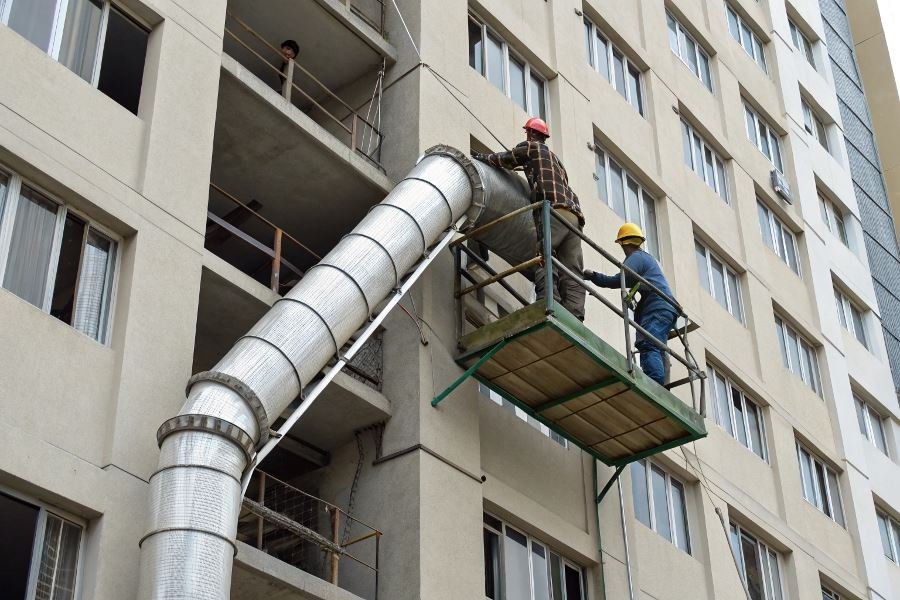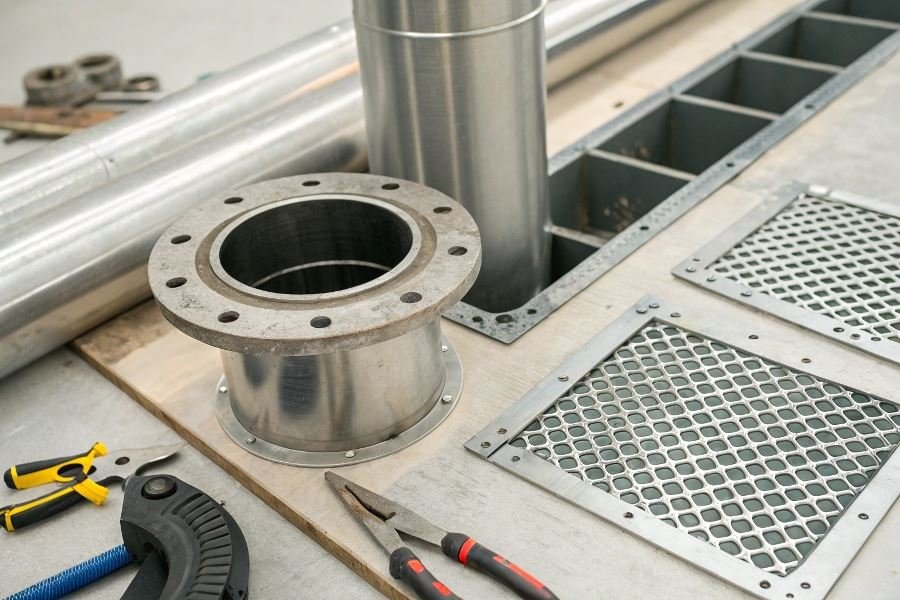
Ever stood at the edge of a construction site, watching a cascade of debris flow seamlessly down a chute system? That seemingly simple tube represents a sophisticated safety system that prevents thousands of injuries and saves countless hours on job sites nationwide. The difference between a reliable waste management system and a liability often comes down to understanding its critical components.
Construction waste management isn’t just about cleanliness—it’s a cornerstone of site safety and operational efficiency. When properly implemented, a well-designed chute system can reduce labor costs by up to 30% while significantly decreasing workplace accidents related to manual debris handling.
At the heart of every effective construction waste chute system are several key components working in harmony. The primary elements include the hopper (the intake point), the chute sections (typically made from high-density polyethylene or metal), support brackets, and the collection system at ground level. Each component must withstand tremendous stress while maintaining structural integrity throughout the project lifecycle.
Before investing in a waste chute system, quality assessment becomes paramount. Examine the thickness of the chute material—premium systems use reinforced materials that resist punctures and UV degradation. Check connection mechanisms between sections; they should create airtight seals to prevent dust escape while allowing for quick assembly and disassembly. Finally, verify weight capacity ratings against your project’s specific waste volume and type.
The right components don’t just manage waste—they transform your entire construction operation.
Essential Components for Construction Waste Chutes: Engineering Excellence
When it comes to construction site efficiency, waste management systems are the unsung heroes of productivity. The backbone of these systems—construction waste chutes—require careful component selection to ensure safety, durability, and operational excellence. Let’s dive into the critical elements that separate premium waste chute systems from their subpar counterparts.
Chute Sections: The Backbone of Waste Management
The primary components for construction waste chutes: what to pay attention to first are the chute sections themselves. These cylindrical pathways must withstand constant abuse while maintaining structural integrity.
Material composition matters tremendously. High-density polyethylene (HDPE) sections offer superior impact resistance and longevity compared to traditional metal alternatives. Premium HDPE chutes from manufacturers like Chute Systems Pro typically feature:
- Wall thickness of 6-8mm for optimal durability
- UV stabilization to prevent degradation in sunlight
- Temperature resistance from -40°F to 180°F
The connection mechanism between sections represents a critical decision point. Interlocking systems with reinforced coupling points distribute stress more effectively than simple overlap designs. Look for sections with double-locking mechanisms that prevent separation during heavy use.
Weight capacity specifications should match your project requirements with a safety margin of at least 30%. Standard sections should handle 200-300 pounds of continuous load, with premium options reaching 500+ pounds.
Support Brackets and Frames: Structural Integrity
The mounting system determines whether your waste chute remains securely attached to the building or becomes a dangerous projectile.
Support brackets require:
| Feature | Standard Requirement | Premium Specification |
|---|---|---|
| Material | Galvanized steel | Marine-grade stainless steel |
| Load capacity | 1,000 lbs minimum | 1,500+ lbs |
| Mounting points | 4 connection points | 6+ reinforced connection points |
| Adjustability | Fixed position | Multi-angle positioning |
Installation requirements vary by building type. Concrete structures demand expansion bolts with minimum 5,000 lbs pull-out strength, while steel-framed buildings require specialized clamps or welded attachments.
The frame system should incorporate wind-resistance features for installations above the 3rd floor. Smart builders select frames with integrated wind-locks that prevent dangerous swaying during gusty conditions.
Hoppers and Intake Doors: User Interface Excellence
The entry points of your waste chute system determine both safety and efficiency. Hoppers—the top-floor loading points—must balance accessibility with containment capabilities.
Key hopper specifications include:
- Minimum 30″ x 30″ opening for efficient debris loading
- Self-closing lid mechanism with dampened closure
- Reinforced rim to withstand repeated impacts from loaded wheelbarrows
Intake doors on intermediate floors represent critical safety components. Premium systems feature:
- Double-action safety mechanisms preventing accidental opening
- Noise-dampening gaskets reducing operational sound by 40-60%
- Fire-rated doors (90-minute minimum) with fusible links for automatic closure during fires
The operational ergonomics of intake doors significantly impact worker efficiency. Doors should open with 15-20 lbs of force maximum, while maintaining secure closure when not in use.
For multi-story projects, consider intake doors with integrated dust suppression systems. These advanced components incorporate misting nozzles that activate during waste disposal, reducing airborne particulate matter by up to 80%.
When selecting components for your construction waste chute system, remember that initial investment in quality components typically yields substantial returns through reduced maintenance, enhanced safety, and improved operational efficiency.
Maximizing Your Investment: Maintenance and Compliance for Waste Chute Systems
Inspection protocols that prevent costly failures
Regular inspections aren’t just bureaucratic checkboxes—they’re your first line of defense against system failures. Industry leaders recommend comprehensive monthly visual inspections of all chute components, with particular attention to high-stress areas like door mechanisms and impact sections.
The most effective inspection protocol follows the “DART” method:
- Doors: Check for smooth operation, intact seals, and proper self-closing mechanisms
- Alignment: Verify vertical alignment hasn’t shifted due to building settlement
- Rust/corrosion: Examine all metal components, especially at joints and seams
- Tightness: Confirm all fasteners remain secure and properly torqued
Smart facility managers document these inspections digitally, creating a maintenance history that proves invaluable during compliance audits.
For high-rise buildings, quarterly professional inspections using specialized equipment like borescopes can identify internal wear patterns invisible to the naked eye. These proactive measures typically reduce emergency repair costs by 67% compared to reactive maintenance approaches.
Meeting and exceeding regulatory standards
Construction waste management systems must comply with a complex web of regulations that vary by jurisdiction. At minimum, your system must adhere to:
| Regulatory Body | Key Standards | Compliance Focus |
|---|---|---|
| OSHA | 29 CFR 1926.252 | Worker safety during disposal operations |
| NFPA | NFPA 82 | Fire safety requirements for waste chutes |
| ANSI | Z245.30 | Equipment safety standards |
| Local Building Codes | Varies by location | Installation and operational requirements |
Beyond these baseline requirements, forward-thinking facility managers are increasingly adopting LEED certification standards for waste management. These voluntary guidelines not only improve environmental performance but can increase property values by up to 10%.
Critical compliance tip: Document every inspection, maintenance action, and component replacement. During regulatory audits, comprehensive documentation often makes the difference between passing inspection and facing costly citations.
The economics of quality components
The financial equation of waste chute systems follows a predictable pattern: initial investment versus lifetime operational costs. This analysis reveals why quality components consistently deliver superior ROI:
Premium components typically cost 30-45% more upfront but deliver:
- 2.5× longer operational lifespan
- 60% fewer emergency service calls
- 40% reduction in replacement part costs
A real-world cost comparison for a 10-story building over a 15-year period:
- Economy components: $32,000 initial + $78,000 maintenance = $110,000 total
- Premium components: $46,000 initial + $31,000 maintenance = $77,000 total
The quality difference isn’t just financial—it’s operational reliability that prevents tenant complaints, improves waste management efficiency, and maintains property values.
When evaluating component quality, focus on manufacturers who offer comprehensive warranties backed by established service networks. The best suppliers provide detailed maintenance documentation and readily available replacement parts, ensuring your system remains operational throughout its extended lifespan.
Discover essential components for construction waste chutes that ensure safety and efficiency on your job site. Learn what to look for in chute sections, support brackets, and hoppers to maximize durability and comply with industry standards.
Discover essential components for construction waste chutes that ensure safety and efficiency on your job site. Learn what to look for in chute sections, support brackets, and hoppers to maximize durability and comply with industry standards.