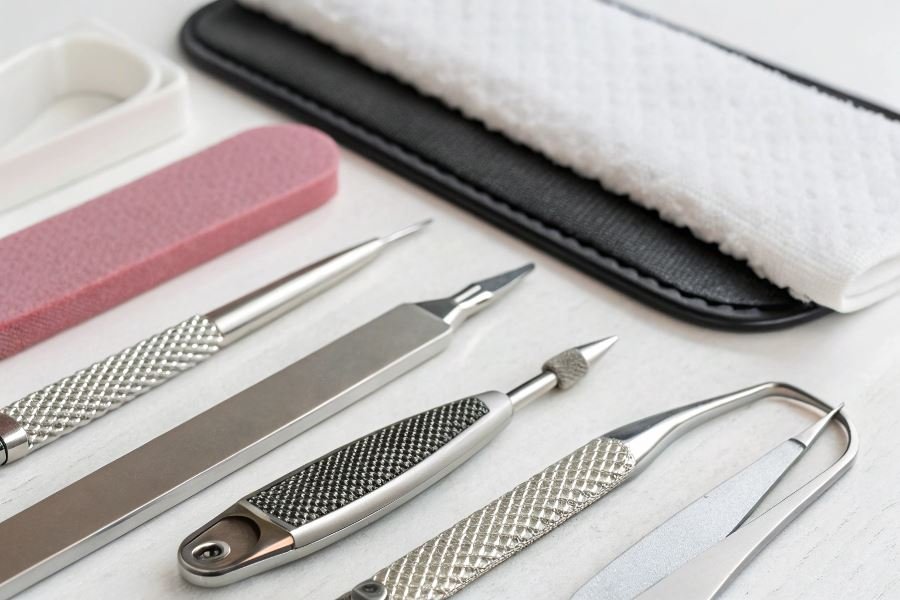
Did you know that 78% of pedicure-related infections stem from improper blade handling? That small, rotating piece of metal isn’t just a tool—it’s the difference between a satisfied client and a potential health crisis.
When professionals pick up a pedicure machine, they’re wielding a powerful instrument that demands respect. Safety protocols aren’t just bureaucratic checkboxes; they’re essential shields protecting both the technician and client from harm. The precision blades that effortlessly remove calluses and smooth rough skin can just as easily cause micro-abrasions that invite infection when mishandled.
The risks associated with improper blade techniques extend beyond the obvious cuts and nicks. Cross-contamination between clients, bacterial infections, and fungal transmission represent the invisible threats that proper safety measures prevent. Even experienced technicians face hazards from repetitive motion injuries and accidental exposure to blood-borne pathogens if proper protocols aren’t followed.
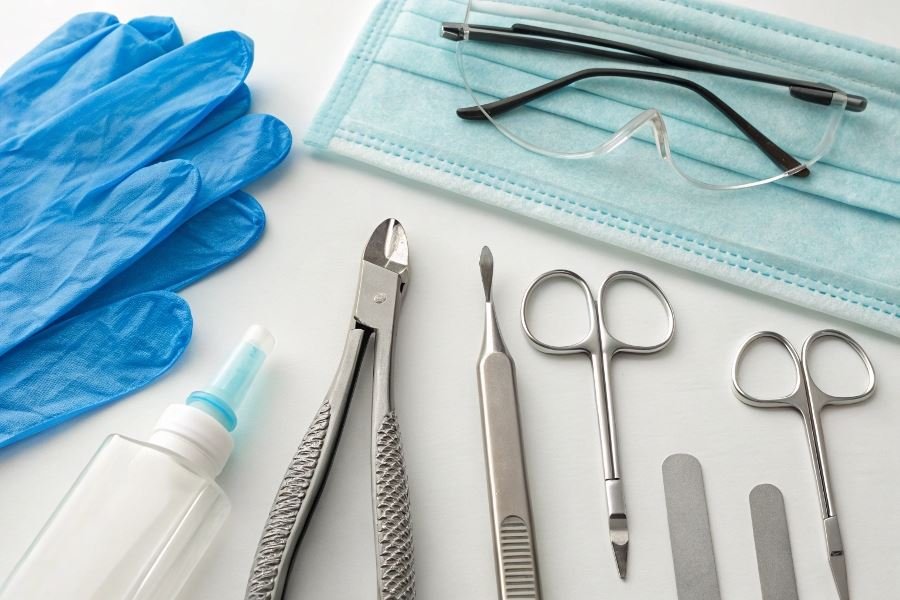
Essential safety equipment forms your first line of defense. At minimum, your arsenal should include:
- Medical-grade gloves (changed between clients)
- Protective eyewear (debris can travel)
- Proper lighting to ensure visibility
- Sterilization equipment for blades
- Sharps containers for disposal
Preparation is equally crucial. Before any procedure, ensure your workspace is sanitized, your machine is properly maintained, and you’ve thoroughly examined the client’s feet for contraindications like open wounds or infections.
Remember: The few extra minutes spent on safety protocols can save hours of dealing with complications—and protect your reputation and business in the process.
Mastering Blade Safety for Professional Pedicure Results
When precision meets power in pedicure equipment, safety becomes non-negotiable. Professional-grade pedicure machines transform foot care, but their rotating blades demand respect and proper handling techniques. Let’s dive into the essential practices that separate the professionals from the amateurs.
Safety when working with blades for a pedicure machine begins with understanding that these tools are designed to remove calluses and dead skin efficiently—but this efficiency comes with responsibility. The difference between a rejuvenating treatment and skin damage often comes down to technique, not just tool quality. Mastering these safety protocols isn’t just about client protection; it’s about your professional longevity and reputation.
Selecting and inspecting blades with precision
The foundation of safe pedicure treatments starts before the machine even touches a client’s foot. When selecting blades, consider:
- Material quality: Surgical-grade stainless steel offers superior durability and cleanliness
- Compatibility: Always use manufacturer-recommended attachments for your specific Medicool Pro Power 35K or other professional device
- Coarseness gradation: Match grit level to the task—coarser for thick calluses, finer for finishing work
Before installation, perform this critical inspection checklist:
- Examine for microscopic cracks or chips
- Verify the attachment mechanism is intact
- Check for signs of corrosion or wear
- Ensure proper sterilization has been completed
Never compromise on blade quality—what saves you $10 today could cost thousands in reputation tomorrow.
Handling techniques that prevent accidents
The way you manipulate your pedicure machine dramatically impacts safety outcomes. Professional technicians develop these habits:
Grip stability: Hold the handpiece like a pen, maintaining firm but relaxed control. This “dynamic stability” approach allows precision while preventing hand fatigue during longer sessions.
Movement patterns: Always work in one direction with overlapping strokes rather than back-and-forth motions that can cause skin irritation or micro-tears.
| Movement Type | Best For | Safety Consideration |
|---|---|---|
| Circular | Broad callus areas | Keep circles small and consistent |
| Linear | Heel edges | Maintain shallow angle to prevent gouging |
| Spot treatment | Pressure points | Brief contact, frequent checking |
Client positioning: Position feet at a 45-degree angle for optimal visibility and control, reducing strain on your wrists while improving precision.
Speed and pressure: The critical safety variables
The most common injuries occur not from blade selection but from improper application of speed and pressure. Master these guidelines:
- Start low, go slow: Begin at 5,000-7,000 RPM for sensitive areas before gradually increasing
- Match speed to task: 15,000-20,000 RPM for thick calluses; 8,000-12,000 RPM for maintenance work
- Pressure awareness: Let the blade do the work—apply only enough pressure to maintain contact
- Duration discipline: Limit continuous contact to 3-5 seconds before lifting to check progress
The 30% rule: Professional technicians never exceed 30% of their machine’s maximum speed when working on thin skin areas like the arch or ankle.
Remember that different foot conditions require customized approaches. Diabetic clients, those with circulation issues, or thin-skinned elderly clients need significantly reduced speed and pressure parameters—often 50% less than standard protocols.
By implementing these essential safety practices, you transform potentially risky procedures into consistently excellent results that build your reputation and protect your clients’ wellbeing.
Blade Safety Beyond the Cut: Maintenance and Disposal Protocols
Sterilization is non-negotiable
Professional pedicure safety begins long after the service ends. Proper cleaning and sterilization of machine blades isn’t just good practice—it’s the critical barrier between clients and potential infections. The CDC reports that inadequate sterilization of pedicure tools contributed to over 100 infection outbreaks in salons between 2000 and 2014.
Start with mechanical cleaning: remove all visible debris using a brush specifically designated for cleaning tools. Never skip this step—disinfectants can’t penetrate through organic matter. Follow with an ultrasonic cleaner containing an EPA-registered disinfectant solution for 10 minutes minimum.
For true sterilization, autoclaving remains the gold standard. Tuttnauer and Midmark units provide hospital-grade sterilization that eliminates 100% of pathogens, including bacterial spores. While UV sanitizers offer convenience, they don’t provide complete sterilization—they’re supplements, not replacements.
“The difference between disinfection and sterilization isn’t semantic—it’s the difference between reducing pathogens and eliminating them entirely.”
Storage systems that protect investment and health
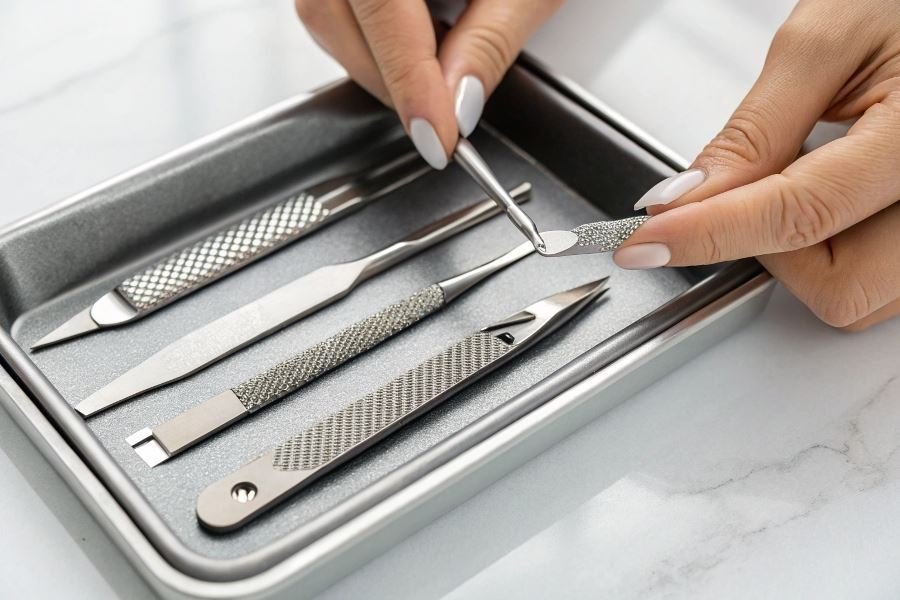
Between client sessions, proper storage prevents cross-contamination and extends blade life. The most effective approach uses a three-tier system:
| Storage Method | Protection Level | Best For |
|---|---|---|
| UV Cabinets | Medium | Daily between-client storage |
| Sealed Containers | High | Overnight protection |
| Individual Pouches | Maximum | Long-term or travel storage |
Never store damp blades—this creates perfect conditions for bacterial growth. Ensure complete drying before storage, preferably using compressed air rather than towels that can harbor contaminants.
Consider implementing a color-coded system for tracking sterilization status. Blue containers for sanitized tools ready for use, red for those awaiting processing. This visual management system reduces errors during busy periods.
Disposal protocols for professional integrity
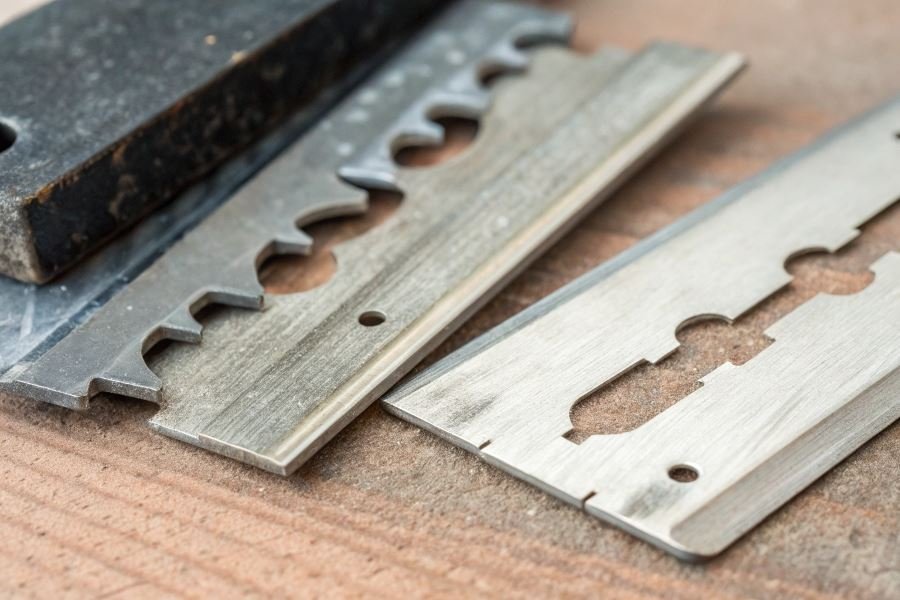
Pedicure blades qualify as sharps waste—a category requiring specific disposal methods under OSHA regulations. Improper disposal not only risks fines up to $70,000 for serious violations but endangers sanitation workers and the environment.
The professional approach requires:
- Dedicated sharps containers – Use only FDA-cleared containers from providers like Sharps Compliance or Stericycle
- Regular collection schedule – Never allow containers to exceed 75% capacity
- Documented disposal – Maintain records of all waste pickups for at least three years
For damaged blades that still have useful life, consider manufacturer recycling programs. Medicool offers credit toward new purchases when returning used bits in bulk—environmental responsibility with financial benefits.
Small salons without access to medical waste services can use mail-back programs, which provide pre-paid shipping for filled containers to certified disposal facilities. These typically cost $30-50 per container but eliminate compliance concerns.
Remember that proper disposal isn’t just regulatory compliance—it’s a reflection of your commitment to professional standards that clients increasingly recognize and value.
Discover essential safety protocols for pedicure machine blades, from proper handling and sterilization to safe disposal techniques. Learn how to protect yourself and clients while achieving professional results with the right precautions.
Discover essential safety protocols for pedicure machine blades, from proper handling and sterilization to safe disposal techniques. Learn how to protect yourself and clients while achieving professional results with the right precautions.