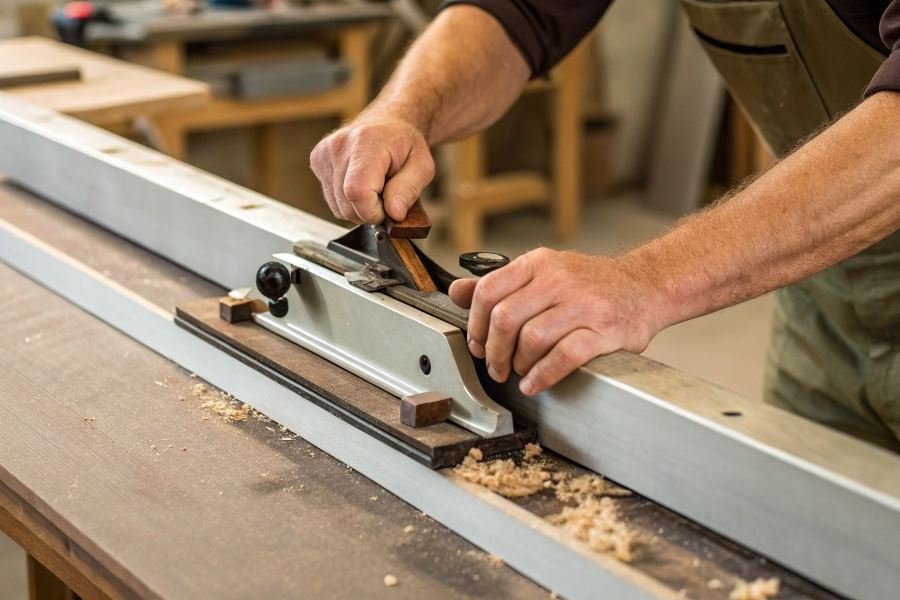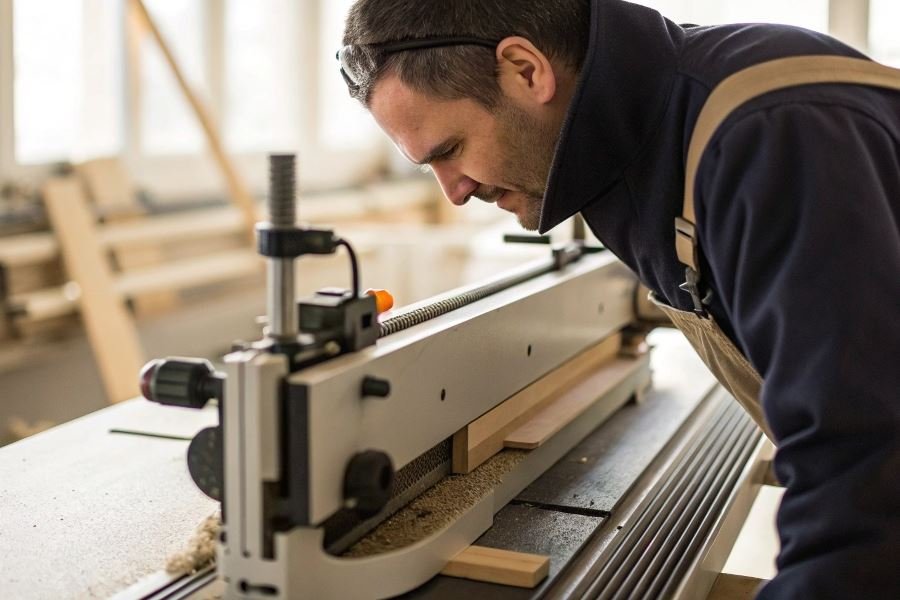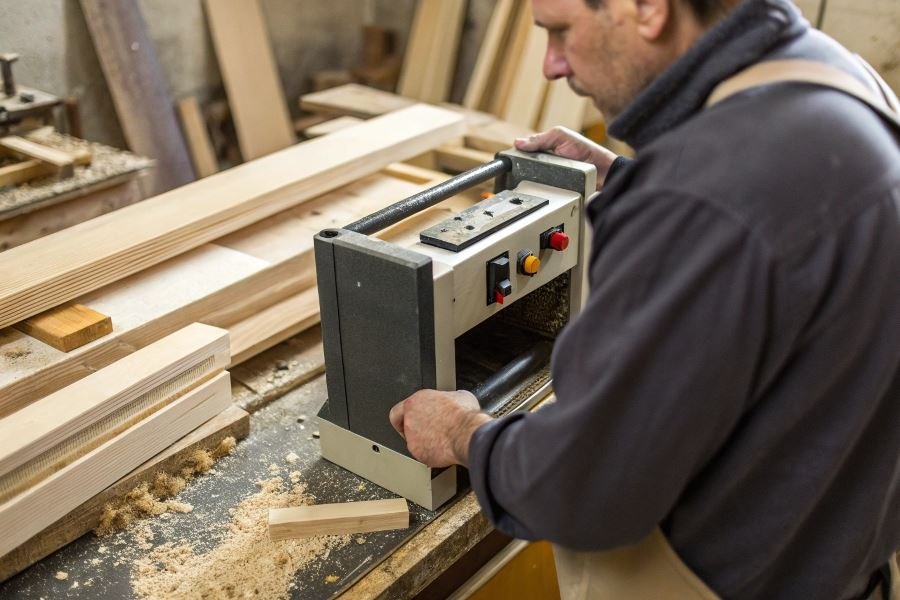
Ever watched a planer machine struggle through hardwood like it’s trying to cut through concrete with a butter knife? That frustrating experience comes down to one critical factor: power. The difference between a smooth, efficient operation and a stalled, smoking disaster often hinges on having the right horsepower for the job.
Power in planer machines isn’t just about bigger numbers—it’s about matching capability to your specific woodworking demands. Think of horsepower as the engine that drives your woodworking dreams. Too little, and you’re fighting an uphill battle; too much, and you’re paying for capacity you’ll never use.
When determining what power should a planer machine have for your projects, three critical factors come into play: material density, cutting depth, and width capacity. A hobbyist working with pine might find a 1.5-2 HP motor perfectly adequate, while a professional tackling 12-inch maple boards needs at least 3 HP to prevent bogging down.
The relationship between power and performance is beautifully direct: more power translates to smoother cuts, less strain, and the ability to handle tougher materials. But it’s not just about brute force—it’s about efficiency. A properly powered planer requires fewer passes, reduces tear-out, and extends blade life.
“The right power rating isn’t about maximum capability—it’s about consistent performance across your typical workload.”
Material compatibility expands dramatically with increased power. While softwoods forgive underpowered machines, hardwoods like oak and maple demand robust motors that maintain consistent RPMs under load. The difference becomes immediately apparent in the quality of the finished surface.
Matching Planer Power to Your Woodworking Ambitions
The heartbeat of any planer machine is its motor, and selecting the right power rating can make the difference between buttery-smooth cuts and frustrating stalls. When woodworkers ask what power should a planer machine have for different tasks, they’re really asking about the relationship between horsepower and performance across various materials and project demands.
Let’s break down the power spectrum to help you find your perfect match:
Light-Duty Planing: 0.5-2 HP
The entry point for planing begins with these modest but capable machines. At 0.5-2 horsepower, these planers excel at:
- Weekend hobby projects requiring minimal material removal
- Smoothing thin softwoods like pine, cedar, and spruce
- Craft-scale work where precision matters more than production speed
- Small workshop environments with limited electrical capacity
Real-world performance: A 1.5 HP benchtop planer can typically handle boards up to 6 inches wide and remove about 1/16 inch per pass in softwoods without struggling. These machines often retail between 300−600, making them accessible entry points for hobbyists.
The true value of light-duty planers isn’t in their raw power, but in their ability to transform rough lumber into project-ready boards without breaking the bank or tripping breakers.
Medium-Duty Applications: 2-3 HP
The sweet spot for serious woodworkers and small professional shops falls in this range. With 2-3 horsepower at your disposal:
- General woodworking across diverse project types becomes effortless
- Hardwoods like oak, maple, and walnut can be processed efficiently
- Deeper cuts (up to 1/8″ in a single pass) become possible
- Production of furniture components maintains good throughput
These machines typically handle boards 12-15 inches wide and offer significantly improved stability and reduced snipe compared to their lighter counterparts.
| Wood Type | Max Recommended Cut Depth | Feed Rate Performance |
|---|---|---|
| Softwoods | 1/8″ | Excellent at full speed |
| Hardwoods | 1/16″ | Good at moderate speed |
| Figured Woods | 1/32″ | Best at reduced speed |
Heavy-Duty Industrial Planing: 3+ HP
When production demands meet challenging materials, 3+ horsepower planers deliver industrial-grade performance:
- Commercial production environments with high daily board footage
- Dense exotic hardwoods like ipe, purpleheart, and cocobolo
- Wide boards (15-20+ inches) requiring consistent finish quality
- Applications demanding minimal downtime and maximum throughput
Performance benchmark: A 5 HP industrial planer can process thousands of board feet daily while maintaining tight tolerances and superior surface quality. These workhorses typically start at $2,000 and can reach $10,000+ for specialized models.
The investment pays dividends in production environments where the ability to plane difficult woods like bird’s eye maple or dense exotics without bogging down translates directly to profitability.
Ultimately, your power requirements should align with your most demanding regular tasks, not just occasional needs. For most serious hobbyists and small professional shops, the 2-3 HP range offers the ideal balance of capability, cost, and electrical requirements—powerful enough for hardwoods but not overkill for everyday projects.
Making the Right Power Choice for Your Planer Machine
Balancing power with your wallet
Selecting the ideal planer machine involves a delicate balance between power requirements and budget constraints. A 15-amp motor planer offering 10,000 RPM might seem appealing, but do you really need that much muscle for occasional DIY furniture projects? Probably not.
Most hobbyists find that a 10-amp planer (around 300 − 400)handles90700-900) with higher feed rates and depth capacity.
The most expensive planer isn’t always the right choice—it’s about matching power to your specific workflow and materials.
Consider the DeWalt DW735X with its 15-amp motor as an investment that pays dividends when regularly working with dense hardwoods. For weekend warriors, the WEN 6552 with its 13-amp motor delivers excellent value without breaking the bank.
Future-proofing your woodworking journey
Woodworking skills and project ambitions tend to evolve over time. The modest pine shelving project today might transform into crafting walnut dining tables tomorrow.
Buy for tomorrow, not just today. Consider purchasing a planer with approximately 20-30% more capacity than your current needs require. This approach prevents the frustration of outgrowing your equipment just as you’re hitting your stride.
Many woodworkers who started with benchtop planers eventually upgraded to stationary models with induction motors. These machines offer:
- Lower noise levels
- Reduced maintenance requirements
- Superior durability for continuous operation
- Greater stability when processing wide boards
Beyond horsepower
Power specifications matter, but they’re just one piece of the performance puzzle. Several other factors significantly impact your planer’s effectiveness:
| Factor | Impact on Performance |
|---|---|
| Cutter head design | Helical heads produce smoother finishes than straight knives |
| Feed rate control | Adjustable speeds allow optimization for different woods |
| Dust collection | Efficient systems prevent motor strain and extend blade life |
| Table support | Longer beds reduce snipe on board ends |
| Knife quality | Premium blades maintain sharpness longer in hardwoods |
The Jet JWP-15HH demonstrates how these factors work together—its helical cutter head with 68 indexable carbide inserts produces exceptional finishes even at lower power settings than competitors with straight knives.
Motor efficiency matters more than raw amperage. A well-designed 13-amp planer with quality bearings and precision-machined components often outperforms a poorly engineered 15-amp model.
Consider investing in accessories that enhance performance without requiring more power:
- Infeed/outfeed tables to support longer boards
- Premium replacement blades for cleaner cuts
- Dedicated dust collection systems to maintain optimal airflow
The perfect planer balances power with precision, matching your current needs while accommodating future growth. By considering the complete performance picture—not just the amperage rating—you’ll select a machine that delivers satisfaction through years of woodworking adventures.
Discover the ideal planer machine power for your woodworking projects, from light-duty hobby work to heavy industrial applications. Learn how horsepower requirements vary by material and get expert guidance on matching power to your specific tasks.
Discover the ideal planer machine power for your woodworking projects, from light-duty hobby work to heavy industrial applications. Learn how horsepower requirements vary by material and get expert guidance on matching power to your specific tasks.