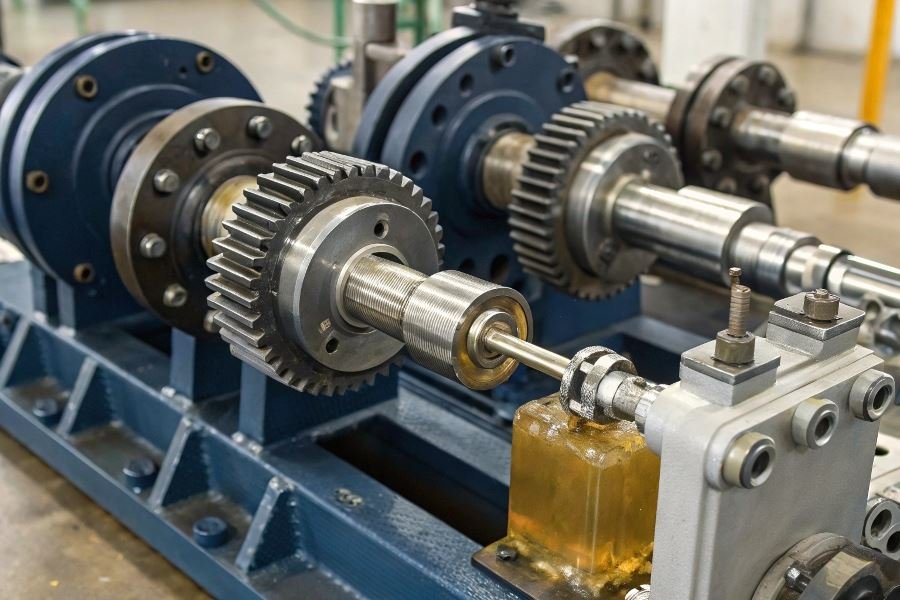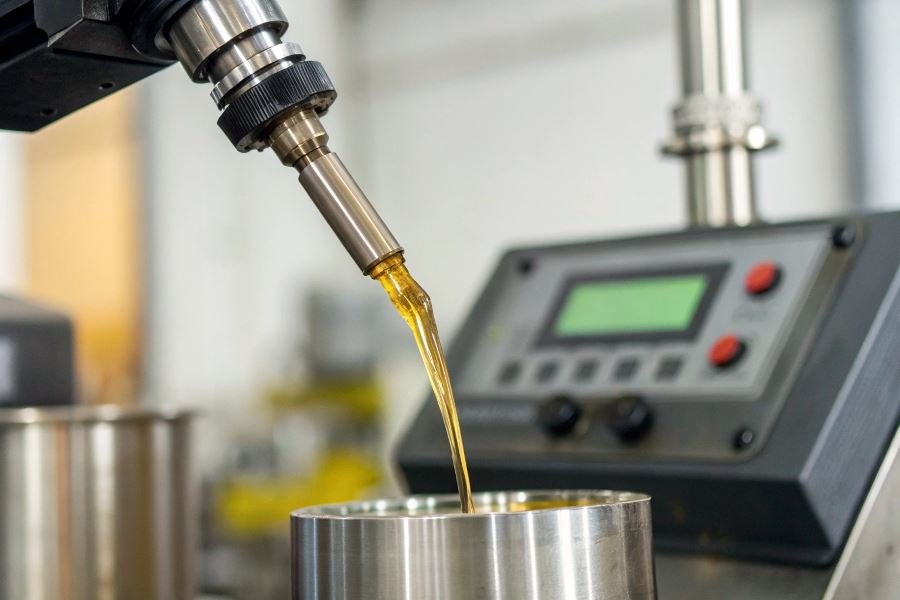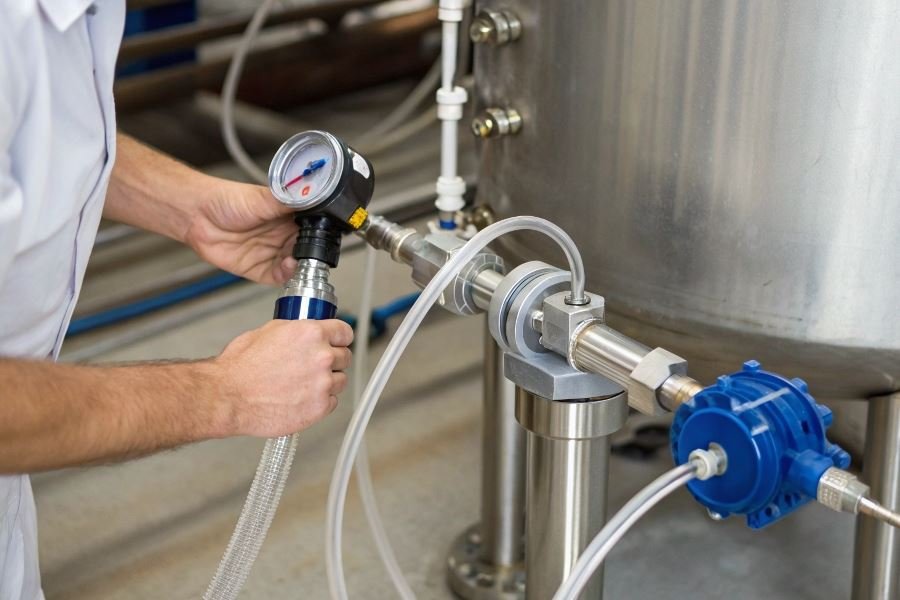
Ever wondered what keeps industrial cooling systems running flawlessly through freezing temperatures? Behind the scenes, a sophisticated hero works tirelessly: the antifreeze dosing pump. This precision instrument might not make headlines, but its impact on operational efficiency and equipment longevity is nothing short of remarkable.
Antifreeze dosing pumps are specialized mechanical devices designed to introduce precise amounts of antifreeze solutions into cooling systems. These engineering marvels maintain the delicate balance between protection and performance, ensuring that equipment operates at optimal efficiency regardless of temperature fluctuations.
Why precision matters: Even a 2% variation in antifreeze concentration can dramatically impact freezing points and heat transfer efficiency. In high-value equipment, this small discrepancy can translate to thousands of dollars in damage or performance losses. The most advanced dosing systems can maintain accuracy within 0.1% of target concentrations—a level of precision that would have seemed impossible just a decade ago.
The applications extend far beyond what most people realize. From food processing facilities where temperature control affects product quality to data centers where cooling is mission-critical, these systems form the backbone of modern industrial infrastructure. Manufacturing plants, commercial HVAC systems, and even specialized medical equipment rely on precise antifreeze dosing.
“Equipment protection isn’t just about preventing catastrophic failure—it’s about extending operational life and maintaining peak performance through every season.”
The right dosing pump doesn’t just prevent freezing; it optimizes system performance, reduces maintenance costs, and protects your investment for years to come.
Critical Selection Criteria for Antifreeze Dosing Pumps
Selecting the right dosing pump for antifreeze applications isn’t just about finding equipment that works—it’s about finding equipment that works perfectly for your specific needs. When evaluating dosing pumps for antifreeze, understanding the critical selection parameters can mean the difference between optimal system performance and costly failures.
The process of choosing appropriate dosing pumps for antifreeze requires careful consideration of flow rates, pressure capabilities, material compatibility, and control mechanisms. These factors collectively determine whether your antifreeze dosing system will deliver consistent protection against freezing while maintaining proper heat transfer properties in your equipment.
Flow Rate and Pressure Requirements
The heart of any dosing pump selection process lies in matching flow rate and pressure capabilities to your application requirements:
Flow Rate Considerations:
- Low-volume systems (residential/small commercial): 0.1-5 gallons per hour
- Medium-volume systems (industrial cooling): 5-20 gallons per hour
- High-volume systems (large industrial/manufacturing): 20+ gallons per hour
Pressure requirements vary dramatically across applications:
| Application Type | Typical Pressure Range (PSI) | Recommended Pump Type |
|---|---|---|
| Open-loop cooling | 5-30 PSI | Diaphragm or peristaltic |
| Closed-loop HVAC | 30-60 PSI | Diaphragm or plunger |
| High-pressure industrial | 60-150+ PSI | Plunger or piston |
Remember that undersizing leads to insufficient protection while oversizing wastes energy and chemicals.
Material Compatibility Matters
Antifreeze formulations can be surprisingly aggressive toward certain materials, making compatibility a critical selection factor:
Ethylene Glycol Compatibility:
- Excellent: Stainless steel, PTFE, EPDM
- Good: PVC, polypropylene
- Avoid: Natural rubber, nylon in high concentrations
Propylene Glycol Compatibility:
- Excellent: Stainless steel, PTFE, Viton
- Good: PVC, polypropylene, EPDM
- Avoid: Aluminum, zinc-plated components
For specialized antifreeze formulations containing corrosion inhibitors or other additives, consult with manufacturers like Grundfos or ProMinent for specific material recommendations.
Control Mechanisms for Precision Dosing
The sophistication of control systems dramatically impacts dosing accuracy and system integration:
Basic Control Options:
- Manual adjustment
- Simple timer-based operation
- Flow-proportional dosing
Advanced Control Features:
- Digital precision controls with ±0.5% accuracy
- Temperature compensation for viscosity variations
- Remote monitoring capabilities via SCADA integration
- Automated calibration features
Modern dosing systems from manufacturers like Watson-Marlow offer sophisticated automation options including:
- Predictive maintenance alerts
- Real-time concentration monitoring
- Automatic adjustment based on system demand
- Data logging for compliance documentation
The level of control precision required depends on your application’s sensitivity to antifreeze concentration variations. Critical applications like pharmaceutical manufacturing or food processing demand higher precision than general facility maintenance systems.
By carefully evaluating these three critical selection criteria—flow rate/pressure requirements, material compatibility, and control mechanisms—you’ll be positioned to select a dosing pump that delivers reliable, efficient antifreeze protection for your specific application needs.
The Ultimate Showdown: Antifreeze Dosing Pump Technologies
When precision matters in antifreeze delivery systems, the pump you choose makes all the difference. Let’s dive into the three dominant technologies that keep cooling systems running flawlessly across industries—from automotive manufacturing to HVAC installations.
Diaphragm Dosing Pumps: The Reliability Champions
Diaphragm dosing pumps have earned their reputation as workhorses in antifreeze applications for good reason. These pumps utilize a flexible membrane that creates positive displacement through oscillating movement.
Key advantages for antifreeze applications:
- Chemical resistance – The PTFE or EPDM diaphragms withstand glycol-based solutions without degradation
- Leak-free operation – Critical when handling ethylene glycol, which is both valuable and environmentally sensitive
- Precise metering – Accuracy rates of ±1% across varying temperatures (-30°F to 200°F)
- Low maintenance requirements – Typical service intervals of 5,000+ operating hours
The Grundfos DDA series exemplifies modern diaphragm technology with digital dosing capabilities that automatically adjust to viscosity changes as antifreeze temperatures fluctuate.
Diaphragm pumps excel in applications requiring consistent, reliable dosing without contamination concerns—perfect for closed-loop cooling systems where purity is paramount.
Peristaltic Dosing Pumps: Masters of Viscous Solutions
When dealing with highly concentrated or particularly viscous antifreeze formulations, peristaltic pumps shine brightest. These ingenious devices use rotating rollers to compress flexible tubing, creating a gentle pumping action.
Benefits for viscous antifreeze solutions:
- Self-priming capability – Effortlessly handles solutions up to 10,000 cP viscosity
- Zero cross-contamination – Only the tube contacts the fluid, ideal for sensitive systems
- Consistent flow rates – Maintains accuracy even as antifreeze viscosity changes with temperature
- Simple maintenance – Tube replacement takes minutes, not hours
The Watson-Marlow 500 series has become particularly popular in automotive testing facilities where different antifreeze formulations must be tested sequentially without cross-contamination.
Piston Dosing Pumps: The Pressure Performers
When your antifreeze needs to be delivered against significant backpressure, piston pumps deliver unmatched performance. These mechanical powerhouses use reciprocating pistons to create precise, high-pressure dosing.
High-pressure capabilities for demanding applications:
- Superior pressure handling – Operates efficiently at pressures exceeding 5,000 PSI
- Exceptional accuracy – Maintains ±0.5% precision even under variable pressure conditions
- Robust construction – Typically features stainless steel components for extreme durability
- High-temperature tolerance – Functions reliably with antifreeze solutions up to 250°F
The ProMinent Sigma line exemplifies modern piston pump technology with pressure relief valves and digital controls that prevent system damage during pressure spikes.
| Pump Type | Pressure Range | Viscosity Handling | Maintenance Requirements | Ideal Application |
|---|---|---|---|---|
| Diaphragm | 0-230 PSI | Low to Medium | Moderate | Precision dosing in standard conditions |
| Peristaltic | 0-100 PSI | High | Low | Highly viscous solutions, frequent fluid changes |
| Piston | 0-5000+ PSI | Low to Medium | High | High-pressure systems, industrial applications |
The right dosing pump technology for your antifreeze application ultimately depends on your specific operating conditions, pressure requirements, and maintenance capabilities. By matching pump characteristics to your system demands, you’ll ensure optimal performance and longevity of your cooling infrastructure.
Discover how to select the perfect antifreeze dosing pump for your cooling systems. Learn about flow rates, material compatibility, and control mechanisms to ensure optimal equipment protection and performance in industrial applications.
Discover how to select the perfect antifreeze dosing pump for your cooling systems. Learn about flow rates, material compatibility, and control mechanisms to ensure optimal equipment protection and performance in industrial applications.