What if the most powerful industrial computers were completely silent? This isn’t science fiction—it’s the reality of fanless industrial computing, a technology that’s transforming manufacturing floors, transportation systems, and critical infrastructure worldwide.
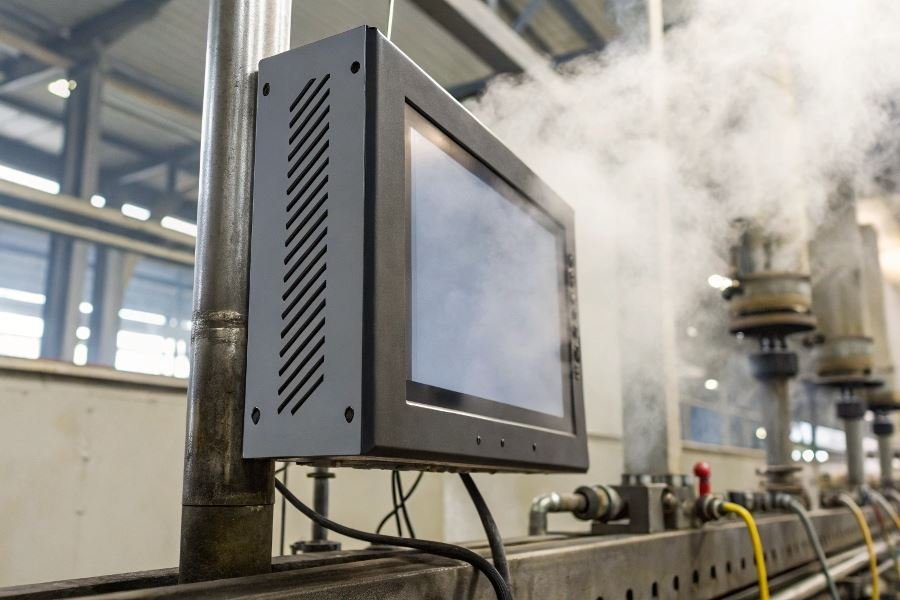
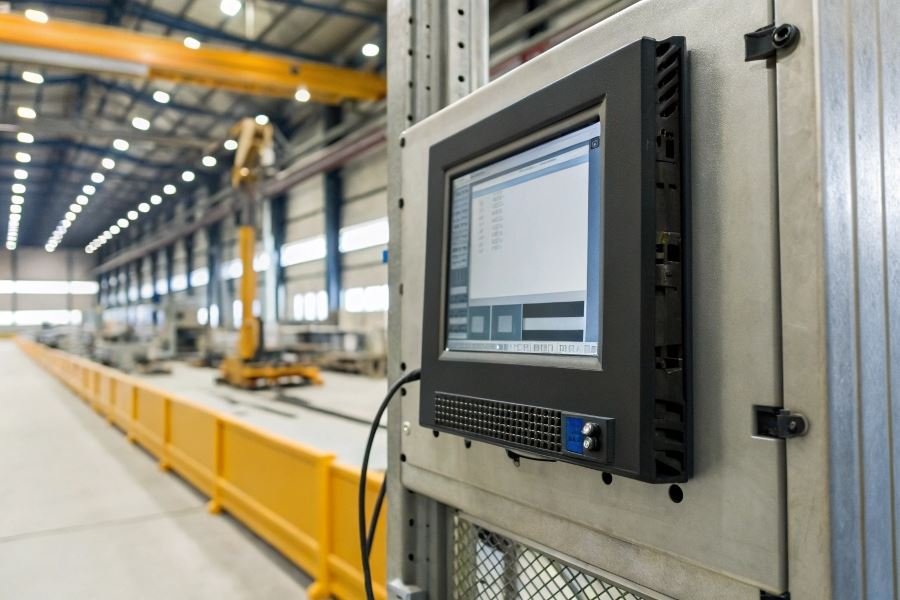
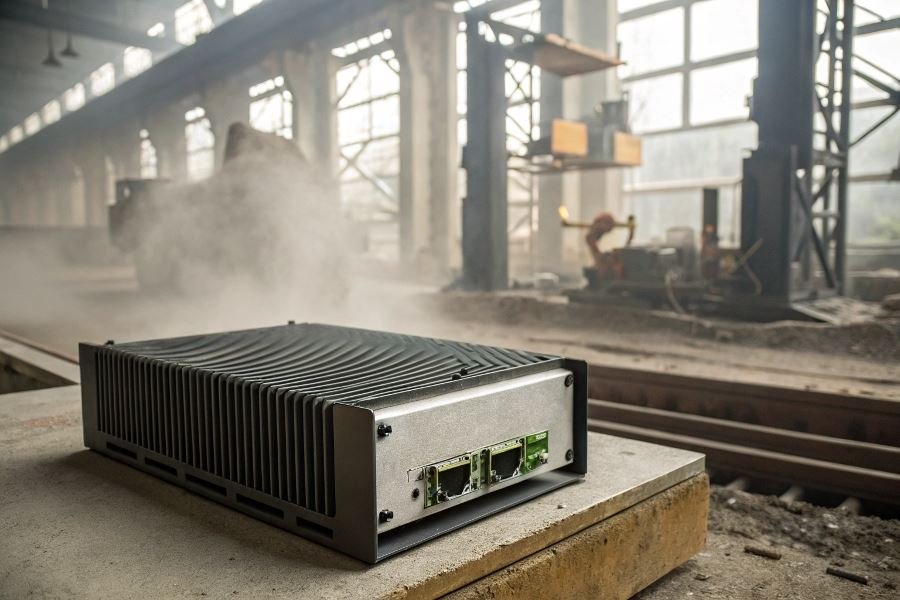
Fanless industrial computers are specialized computing systems designed to operate in harsh environments without traditional cooling fans. Instead, they utilize passive cooling technologies—typically aluminum heatsinks with specialized fins and channels that dissipate heat through conduction rather than forced air. These rugged machines combine sealed, ventless chassis with low-power processors, solid-state storage, and thermal management innovations to create computing solutions that thrive where conventional systems fail.
The evolution of this technology has been remarkable. Early industrial computers of the 1980s and 1990s relied heavily on fans, making them vulnerable in dusty or contaminated environments. The breakthrough came in the early 2000s when advances in processor efficiency and thermal design allowed for the first truly fanless systems. Today’s models leverage sophisticated passive cooling architectures that can handle increasingly powerful components while maintaining complete silence and reliability.
Core advantages that transform industries
Fanless designs offer three critical advantages over traditional systems:
- Unmatched reliability – With no moving parts to fail, mean time between failures (MTBF) increases dramatically, often exceeding 100,000 hours compared to 30,000 for fan-cooled systems
- Environmental resilience – These systems operate flawlessly in dust-filled factories, vibration-heavy vehicles, and moisture-prone outdoor installations
- Zero noise pollution – Critical for sound-sensitive environments like healthcare facilities and precision manufacturing
The absence of fans doesn’t just eliminate noise—it fundamentally transforms what’s possible in industrial computing environments where contamination, maintenance access, or acoustic requirements would otherwise make computing impossible.
Where Fanless Computers Become Mission Critical
In demanding industrial environments, traditional cooling systems simply don’t cut it. Fanless industrial computers emerge as the unsung heroes where conventional systems fail spectacularly. These specialized machines deliver reliability precisely when standard equipment would falter, overheat, or accumulate performance-killing debris.
Understanding fanless industrial computers: when they are necessary becomes crucial for operations where environmental factors threaten computing integrity. These rugged systems replace traditional fan cooling with passive heat dissipation through specialized chassis design, heat pipes, and thermal engineering that eliminates moving parts while maintaining optimal operating temperatures.
Let’s explore the environments where these specialized machines aren’t just beneficial—they’re absolutely essential.
Dust’s Worst Enemy
Manufacturing and processing facilities present a perfect storm of computational challenges. Sawmills generate fine wood particles that infiltrate every crevice. Cement plants produce microscopic dust that coats surfaces within hours. Mining operations create abrasive particulates that destroy moving parts.
In these environments, fanless designs prove invaluable by:
- Eliminating intake vents that would otherwise become clogged
- Preventing internal dust accumulation that causes overheating
- Reducing maintenance cycles from weekly to yearly intervals
- Extending operational lifespan by 3-5× compared to fan-cooled alternatives
Real-world application: A Beckhoff fanless industrial PC installed at a flour processing facility has operated continuously for seven years without internal cleaning—impossible with traditional cooling systems.
Temperature Extremes That Would Kill Standard Hardware
From desert solar installations to Arctic research stations, temperature extremes destroy conventional computers. Fanless industrial systems thrive where others fail:
| Environment | Temperature Range | Why Fanless Excels |
|---|---|---|
| Oil & Gas Platforms | -40°F to 140°F | No condensation issues during temperature swings |
| Steel Mills | Up to 160°F ambient | Passive cooling remains effective at high temperatures |
| Cold Storage | Down to -22°F | No moving parts to freeze or become brittle |
| Outdoor Kiosks | -4°F to 122°F | Sealed against moisture during temperature cycles |
These systems employ specialized components rated for extended temperature ranges, with industrial-grade SSDs that maintain data integrity across extreme conditions.
Standing Strong Against Constant Vibration
Transportation systems, heavy machinery, and mobile equipment generate vibrations that destroy conventional computers. Fanless designs excel in these challenging environments by:
Eliminating the most vulnerable component—the cooling fan—which typically fails first under vibration stress
Critical applications include:
- Railway signaling systems where Advantech fanless computers withstand constant track vibration
- Mining equipment where computers must process data while attached to drilling machinery
- Marine vessels where systems experience both constant vibration and corrosive salt air
- Manufacturing robots where computers are mounted directly on moving equipment
The absence of moving parts dramatically improves mean time between failures (MTBF) ratings, with premium fanless systems achieving 100,000+ hours compared to 30,000-50,000 for fan-cooled alternatives.
By eliminating the fan—the component most likely to fail first—these specialized computers deliver unmatched reliability precisely where conventional systems cannot.
Making Smart Investments in Fanless Computing
When evaluating industrial computing solutions, the decision to go fanless isn’t just about noise reduction—it’s a strategic investment that demands careful consideration. Let’s dive into the economics, specifications, and future landscape of fanless industrial computing to help you make decisions that will serve your operation for years to come.
The True Economics of Fanless Systems
The initial sticker price of fanless industrial computers typically runs 15-30% higher than their fan-cooled counterparts, but this tells only a fraction of the story. A comprehensive Total Cost of Ownership (TCO) analysis reveals a different picture:
| Cost Factor | Traditional Systems | Fanless Systems |
|---|---|---|
| Initial Purchase | $1,200-2,500 | $1,500-3,200 |
| Annual Maintenance | $300-600 | $50-150 |
| Downtime Costs (5-year) | $2,000-8,000 | $400-1,200 |
| Power Consumption | 65-120W | 35-75W |
| Average Lifespan | 3-5 years | 7-10 years |
When factoring in reduced maintenance requirements, minimal downtime, lower power consumption, and extended operational lifespan, fanless systems often deliver ROI within 2-3 years of deployment. In harsh environments like manufacturing floors or outdoor installations, this timeline can shrink to under 18 months.
Critical Specifications That Make or Break Performance
When selecting a fanless industrial computer, these specifications deserve your closest attention:
Thermal Design Power (TDP) determines how effectively the system dissipates heat without active cooling. Look for systems with advanced heat sink designs and thermal conductivity ratings above 150 W/m·K.
IP Rating indicates protection against environmental factors. For most industrial applications, IP65 certification (complete dust protection and resistance to low-pressure water jets) represents the minimum acceptable standard, while IP67 offers additional protection for washdown environments.
The processor selection requires careful balancing of performance against heat generation. Intel’s Core i5 processors with configurable TDP or AMD’s Ryzen Embedded series offer excellent performance-to-heat ratios for industrial applications.
Expansion capabilities should accommodate your future needs. Prioritize systems with:
- Multiple PCIe slots
- Industrial I/O options (RS-232/485, GPIO)
- Wide-range power inputs (9-36V DC)
Tomorrow’s Fanless Technology Today
The fanless industrial computing landscape is evolving rapidly with several key trends reshaping the market:
Passive cooling innovations are advancing beyond traditional heat sinks to include phase-change materials and vapor chambers that can handle increasingly powerful processors while maintaining completely silent operation.
Edge AI capabilities are becoming standard rather than optional, with dedicated neural processing units integrated directly into fanless systems to handle machine learning workloads without excessive heat generation.
Modular design approaches allow for component-level upgrades rather than complete system replacement, extending useful life and improving sustainability metrics. This represents a fundamental shift from the traditional “replace the whole unit” approach that dominated industrial computing.
The convergence of these trends points to fanless systems becoming the default choice for industrial applications where reliability, longevity, and environmental resilience matter more than raw processing power. By carefully evaluating your specific needs against the TCO advantages and critical specifications outlined above, you can select a fanless solution that delivers exceptional value throughout its operational lifetime.
Discover when fanless industrial computers are essential for your operations. Learn about dust-resistant, temperature-tolerant solutions that eliminate maintenance issues in harsh environments while delivering reliable performance for critical applications.
Discover when fanless industrial computers are essential for your operations. Learn about dust-resistant, temperature-tolerant solutions that eliminate maintenance issues in harsh environments while delivering reliable performance for critical applications.