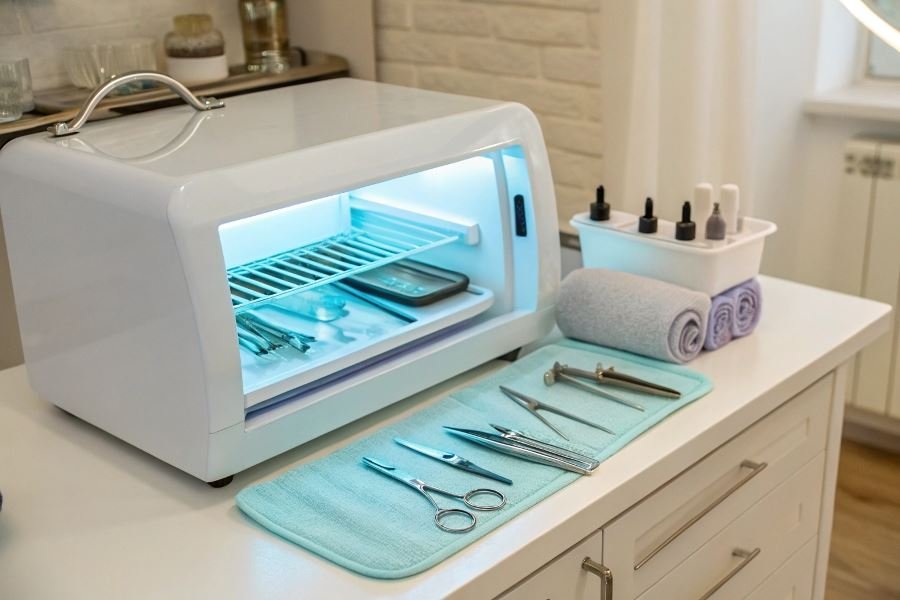
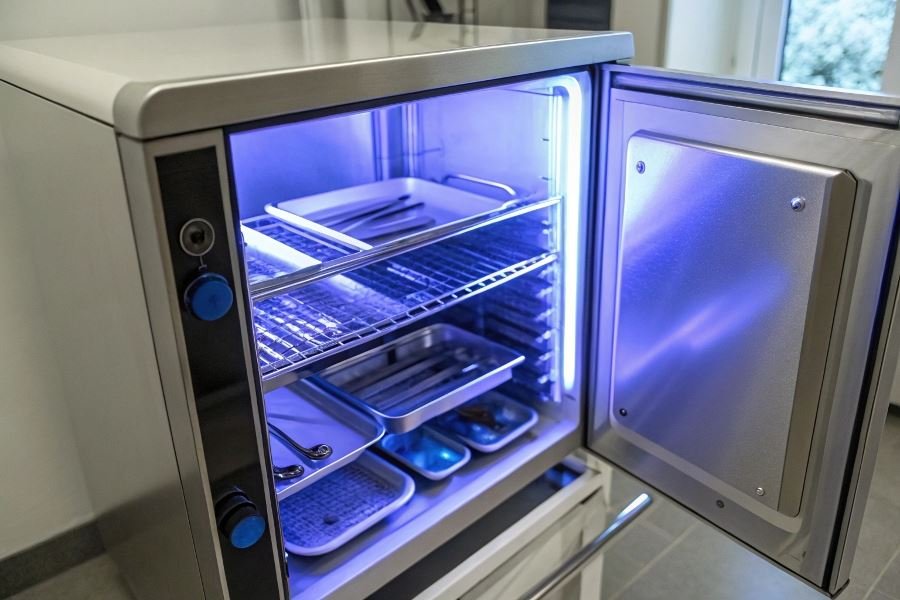
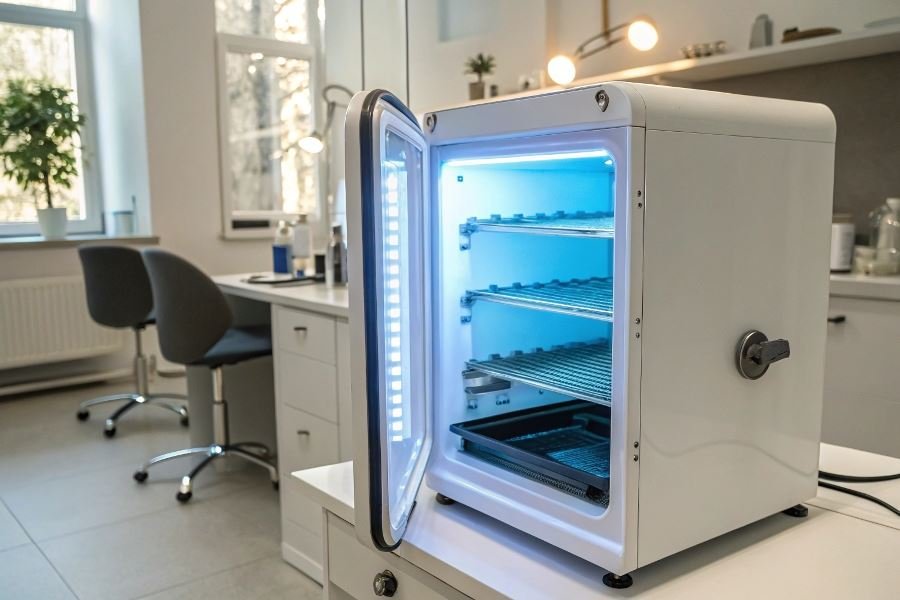
Did you know the same technology that keeps your surgical tools sterile also protects the water in your home? The science of sterilization has quietly transformed from medieval fire-purging to sophisticated light-based systems that eliminate 99.99% of pathogens without a single flame.
Sterilization, at its core, is the complete elimination of all microorganisms including bacteria, viruses, fungi, and spores from objects and surfaces. Unlike disinfection which reduces microbial presence, true sterilization leaves nothing behind—creating environments where contamination simply cannot exist.
Ultraviolet sterilization harnesses specific wavelengths of light (typically 254 nanometers) to disrupt the DNA of microorganisms, preventing them from reproducing and effectively neutralizing them. These systems have become ubiquitous in hospitals, laboratories, and increasingly in consumer products, offering chemical-free purification that leaves no residue.
Quartz sterilization represents a significant advancement in this field. Rather than being a separate technology, quartz elements serve as the premium housing for UV lamps, allowing for superior light transmission and durability. High-quality quartz sleeves permit nearly 95% UV transmission compared to standard glass at only 65%, dramatically improving efficiency and effectiveness.
“The difference between ordinary glass and quartz in UV systems is like comparing a flashlight to a laser beam.” — Environmental Protection Agency research report
The journey from ancient sterilization methods to today’s precision technologies spans centuries. While heat sterilization dates back to ancient civilizations, UV sterilization emerged in the 1930s when scientists discovered ultraviolet light’s germicidal properties. The integration of quartz elements in the 1970s marked another leap forward, enabling systems that could operate continuously in challenging environments like water treatment facilities.
Today’s sterilization technologies represent the culmination of decades of scientific advancement—invisible guardians working silently to keep our world safer.
The Ultimate Sterilizer Showdown: UV vs. Quartz Technology
Battle of the pathogen destroyers
When it comes to eliminating microscopic threats, not all sterilization technologies are created equal. Ultraviolet and quartz sterilizers represent two powerful approaches to disinfection, each with distinct advantages in specific scenarios. A thorough comparison of ultraviolet and quartz sterilizers reveals significant differences in their core mechanisms, despite both utilizing light-based technology to neutralize harmful microorganisms.
Effectiveness against microbial threats
UV sterilizers employ specific wavelengths (typically 254nm) that damage microbial DNA, preventing reproduction. They’re particularly effective against bacteria (99.9% elimination) and many viruses, but some pathogens show resistance. Cryptosporidium, for instance, requires up to 10 times the standard UV exposure.
Quartz sterilizers, utilizing far-infrared radiation, operate differently by generating intense heat. They achieve temperatures of 800-1200°F, effectively eliminating all biological contaminants including heat-resistant bacterial spores that UV might miss.
| Pathogen Type | UV Effectiveness | Quartz Effectiveness |
|---|---|---|
| Bacteria | Very High (99.9%) | Complete (100%) |
| Viruses | High (95-99%) | Complete (100%) |
| Bacterial Spores | Moderate (70-90%) | Complete (100%) |
| Fungi | High (95-99%) | Complete (100%) |
Energy consumption and running costs
The financial equation matters significantly in long-term operations. UV systems typically consume between 30-50 watts per lamp, translating to approximately $15-25 annually in electricity costs for a standard unit. Their energy efficiency has improved by roughly 30% over the past decade.
Quartz sterilizers demand substantially more power—often 1000+ watts during operation—potentially adding $150-300 to annual utility bills. However, this comparison isn’t straightforward since quartz units often require shorter operational periods to achieve sterilization.
Durability and maintenance demands
UV bulbs generally require replacement every 9,000-12,000 hours (approximately 1-1.5 years of continuous operation). Quality systems from manufacturers like Philips include hour meters to track usage. Beyond bulb replacement ($40-100), maintenance primarily involves quarterly cleaning of quartz sleeves to maintain light transmission.
Quartz heating elements demonstrate impressive longevity, often functioning for 20,000+ hours before replacement. Their maintenance requirements are minimal—primarily removing accumulated ash or residue every 3-6 months. This translates to lower long-term maintenance costs despite higher initial investment.
Safety profiles and risk factors
UV systems present minimal operational risks when properly installed, though direct exposure to UV-C light can cause skin irritation and eye damage. Modern units incorporate safety interlocks preventing accidental exposure.
Quartz sterilizers generate significant heat, creating burn risks and potential fire hazards if improperly installed. They require thermal insulation and careful placement away from flammable materials. Some models from Tuttnauer include advanced thermal protection systems.
Versatility and application constraints
UV technology excels in water purification, air handling systems, and surface disinfection without heat damage. It’s ideal for temperature-sensitive environments like electronics manufacturing and food processing facilities.
Quartz sterilization dominates in medical instrument sterilization, laboratory equipment processing, and applications requiring absolute pathogen elimination. Its heat-based approach makes it unsuitable for heat-sensitive materials but unmatched for achieving complete sterility in critical applications.
The choice between these technologies ultimately depends on your specific requirements—UV for gentle, continuous protection or quartz for absolute sterilization power.
Making the Right Choice: UV vs Quartz Sterilization
When investing in sterilization technology, the decision between ultraviolet and quartz systems isn’t just about killing germs—it’s about matching the right tool to your specific needs. Let’s cut through the confusion and identify exactly where each technology shines brightest.
Where UV sterilizers excel
Ultraviolet sterilization systems have carved out several niches where they consistently outperform alternatives:
Home water purification systems benefit tremendously from UV technology. These compact units can be installed directly into residential plumbing, providing continuous protection against microorganisms without adding chemicals or altering taste.
Healthcare settings with moderate contamination risks find UV sterilizers particularly effective for surface disinfection. The ability to quickly sterilize rooms between patient visits has made UV technology increasingly popular in clinics and outpatient facilities.
For aquarium enthusiasts, UV sterilizers offer an elegant solution for maintaining water clarity and preventing algae blooms without disrupting delicate ecosystem balance.
UV sterilization shines in applications requiring minimal maintenance, chemical-free operation, and moderate pathogen loads.
Quartz sterilizers’ sweet spots
Quartz sterilization technology demonstrates superior performance in several demanding environments:
Industrial water treatment facilities leverage quartz systems for their exceptional durability and effectiveness against resistant microorganisms. The higher intensity radiation penetrates even turbid water effectively.
Food processing operations benefit from quartz sterilizers’ ability to maintain sterile environments continuously without interruption, even in high-throughput production lines.
For laboratory settings requiring absolute sterility, quartz systems provide the reliability and consistent performance necessary for sensitive research applications.
Cost-benefit breakdown by application
| Application | Initial Investment | Operating Cost | Effectiveness | Best Choice |
|---|---|---|---|---|
| Home Water | $200-800 | $50-100/year | Good | UV |
| Hospital Rooms | $2,000-8,000 | $300-600/year | Very Good | UV |
| Industrial Water | $5,000-30,000 | $800-2,500/year | Excellent | Quartz |
| Food Production | $10,000-50,000 | $1,200-3,000/year | Excellent | Quartz |
| Research Labs | $3,000-15,000 | $500-1,200/year | Excellent | Quartz |
The cost analysis reveals a clear pattern: UV systems offer lower entry and maintenance costs for smaller-scale applications, while quartz systems deliver superior performance for mission-critical operations despite higher investment requirements.
Emerging sterilization innovations
The sterilization landscape continues evolving with several promising developments:
Hybrid systems combining UV and quartz technologies are emerging, offering adaptable solutions that can adjust intensity based on contamination levels—potentially delivering the best of both worlds.
Smart monitoring capabilities are transforming maintenance from scheduled to predictive. Systems from companies like Trojan Technologies now integrate sensors that track performance in real-time, alerting operators before effectiveness diminishes.
Perhaps most exciting is the development of pulsed-light technology that delivers intense bursts of broad-spectrum light, potentially offering faster sterilization with lower energy consumption.
The future clearly favors integrated solutions that combine multiple sterilization approaches, intelligent monitoring, and energy efficiency—moving beyond the traditional UV versus quartz debate toward comprehensive systems tailored to specific application requirements.
Discover the key differences between UV and quartz sterilizers in our comprehensive guide. Compare effectiveness against pathogens, energy efficiency, maintenance requirements, and ideal applications to make an informed investment in sterilization technology.
Discover the key differences between UV and quartz sterilizers in our comprehensive guide. Compare effectiveness against pathogens, energy efficiency, maintenance requirements, and ideal applications to make an informed investment in sterilization technology.