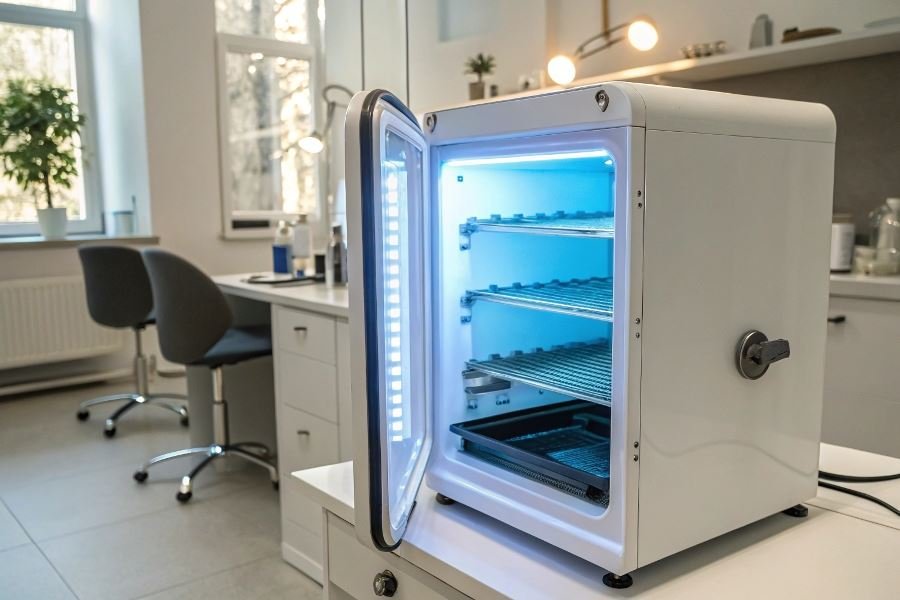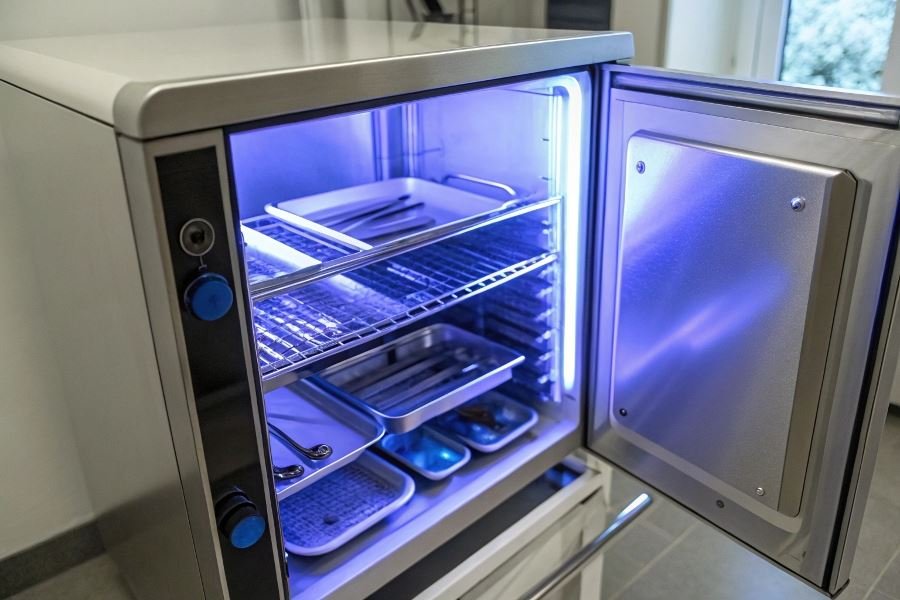
Did you know that a properly configured UV sterilization cabinet can eliminate up to 99.9% of harmful pathogens in just minutes? This silent guardian has transformed how we approach cleanliness in professional settings—from medical facilities to beauty salons and home kitchens.
When selecting a UV sterilization cabinet, understanding the science behind the technology becomes your first line of defense against ineffective products. UV-C light, with its wavelength between 200-280 nanometers, disrupts microbial DNA, rendering bacteria, viruses, and fungi incapable of reproduction. The most effective cabinets utilize the 254nm wavelength—the sweet spot for maximum germicidal impact without generating harmful ozone.
Types of UV cabinets: Finding your perfect match
The market offers three primary categories of UV cabinets, each designed for specific applications:
- Professional-grade cabinets: Featuring multiple UV-C bulbs, precise timing controls, and reflective interior surfaces for comprehensive coverage. Typically priced from $300-1,500.
- Compact countertop models: Perfect for smaller items like phones, keys, and personal accessories. These range from $50-200.
- Specialized industry cabinets: Customized for specific sectors like dental practices, nail salons, or laboratory environments with tailored features and certifications.
Beyond cleanliness: The strategic advantages
UV sterilization cabinets deliver benefits that traditional chemical disinfection simply cannot match. They operate without consumables, making them environmentally friendly and cost-effective over time. For businesses handling sensitive equipment, UV sterilization eliminates the risk of chemical damage while providing consistent, verifiable results.
The most sophisticated models now include smart features like automatic shut-off when doors open (preventing UV exposure), digital timers for precise treatment cycles, and even mobile connectivity for operation logs—essential for businesses requiring sterilization documentation.
Essential Features of UV Sterilization Cabinets
When investing in equipment that promises to eliminate harmful microorganisms, the details make all the difference. UV sterilization cabinets have surged in popularity across medical facilities, beauty salons, and even home settings—but not all units deliver equal performance. Let’s dive into the critical specifications that separate effective sterilization from mere surface-level cleaning.
The science behind ultraviolet cabinets for sterilization demands attention to specific technical parameters when making a purchase decision. These devices harness specific light wavelengths to destroy microorganisms’ DNA, rendering them incapable of reproduction and effectively neutralizing their threat. But achieving this requires precise engineering and thoughtful design choices.
UV Wavelength: The Germicidal Sweet Spot
The effectiveness of any UV sterilization cabinet hinges primarily on its wavelength output. The gold standard for germicidal action is UV-C light in the 254-265nm range, with 254nm being particularly lethal to microorganisms.
Why wavelength matters: UV-A (315-400nm) and UV-B (280-315nm) lack sufficient energy to reliably destroy pathogens. Only UV-C penetrates microbial cell walls effectively enough to damage their genetic material.
Look for cabinets that clearly specify their UV-C output and intensity (measured in μW/cm²). Premium models from manufacturers like Sterilize Pro typically deliver 30,000+ μW/cm² at the target surface—sufficient to achieve a 99.9% reduction in common pathogens within 5-10 minutes.
Cabinet Architecture and Construction
The physical design of your UV cabinet directly impacts both sterilization effectiveness and longevity.
Size considerations should match your specific needs:
- Small units (under 1 cubic foot): Suitable for personal items like phones, keys
- Medium units (1-3 cubic feet): Ideal for salon tools, medical instruments
- Large units (3+ cubic feet): Necessary for multiple items or larger equipment
Material quality indicators:
- Stainless steel interiors provide superior reflectivity, maximizing UV exposure
- Tempered glass doors with UV blocking properties protect users
- Aluminum shelving offers durability without blocking UV penetration
| Material | Reflectivity | Durability | Cost |
|---|---|---|---|
| Stainless Steel | Excellent | Excellent | High |
| Aluminum | Good | Excellent | Medium |
| Plastic | Poor | Fair | Low |
Critical Safety Features and Certifications
A properly designed UV cabinet protects both its contents and its users.
Must-have safety mechanisms include:
- Automatic shutoff when doors are opened (prevents accidental UV exposure)
- Timer functions with automatic power-down
- Door seals that prevent UV leakage
- Indicator lights showing operational status
Beyond physical features, legitimate certifications separate professional-grade equipment from questionable alternatives. Look for:
- FDA clearance for medical applications
- UL or ETL certification for electrical safety
- EPA establishment numbers (for units marketed with disinfection claims)
- CE marking for European safety standards
Avoid units lacking third-party verification of their germicidal claims. The market includes many devices with inadequate UV-C output masquerading as sterilization solutions.
The investment in a quality UV sterilization cabinet—typically ranging from $199 for basic models to $1,500+ for professional units—pays dividends in reliable pathogen elimination and equipment longevity. By focusing on these essential specifications, you’ll secure technology that delivers genuine protection rather than false confidence.
Top 3 Considerations for UV Sterilization Cabinets
When investing in ultraviolet sterilization technology, the difference between adequate and exceptional performance often comes down to three critical factors that savvy buyers prioritize. Let’s dive into what truly matters when selecting a UV cabinet that delivers both performance and value.
Smart budget allocation for maximum return
The price range for UV sterilization cabinets spans from $150 for basic models to $3,000+ for professional-grade equipment. However, the cheapest option rarely delivers the best long-term value.
When evaluating cost-effectiveness, consider:
- Wattage-to-price ratio: Higher wattage (30-40W) units typically deliver faster, more thorough sterilization than budget 10-15W models
- Construction quality: Stainless steel interiors with reflective surfaces maximize UV exposure and outlast plastic alternatives
- Energy efficiency: Modern LED UV systems consume up to 60% less electricity than traditional mercury bulbs
The true cost of a UV cabinet extends far beyond the purchase price—factor in operational expenses over a 5-year period for an accurate value assessment.
Many buyers report that mid-range models ($400-700) from established manufacturers like Germicidal Cabinets or UVP often deliver the optimal balance between initial investment and long-term performance.
Maintenance requirements and replacement economics
UV sterilization effectiveness diminishes over time, making maintenance requirements a crucial consideration for total cost of ownership.
Standard maintenance considerations include:
| Maintenance Factor | Budget Models | Premium Models |
|---|---|---|
| Bulb Lifespan | 6,000-8,000 hours | 10,000-16,000 hours |
| Replacement Cost | $30-50 per bulb | $60-120 per bulb |
| Cleaning Frequency | Weekly | Monthly (with antimicrobial coatings) |
| Filter Replacement | Every 3-6 months | Every 6-12 months |
Replacement bulb accessibility is often overlooked but critically important. Some manufacturers use proprietary bulbs that cost 2-3 times more than standard options. Before purchasing, verify that replacement parts are readily available and reasonably priced.
Smart buyers also look for models with built-in usage meters that track UV bulb life, eliminating guesswork about when replacements are needed and ensuring consistent sterilization effectiveness.
Warranty protection and manufacturer credibility
The warranty terms reveal a manufacturer’s confidence in their product—and potentially your future headaches.
Industry-leading warranties typically offer:
- 2-3 years coverage on the cabinet structure and electrical components
- 1 year on UV bulbs (premium models)
- On-site service for commercial-grade units
Beyond the warranty document, investigate:
- Manufacturer longevity: Companies with 10+ years in the UV sterilization market typically provide better support
- Customer service responsiveness: Test their support channels before purchasing
- User reviews focusing specifically on warranty claim experiences
Sterilize Right and UV-Clean consistently rank highest for honoring warranty claims without excessive documentation or delays.
The most telling indicator of manufacturer quality isn’t the warranty length, but rather how seamlessly they handle the inevitable service needs when they arise.
By carefully weighing these three considerations—budget allocation, maintenance requirements, and warranty protection—you’ll select a UV sterilization cabinet that delivers consistent performance without unexpected costs or frustrations throughout its operational life.
Discover the key factors for selecting effective UV sterilization cabinets in 2025. Learn about wavelength specifications, safety features, capacity options, and budget considerations to make an informed purchase for optimal disinfection results.
Discover the key factors for selecting effective UV sterilization cabinets in 2025. Learn about wavelength specifications, safety features, capacity options, and budget considerations to make an informed purchase for optimal disinfection results.