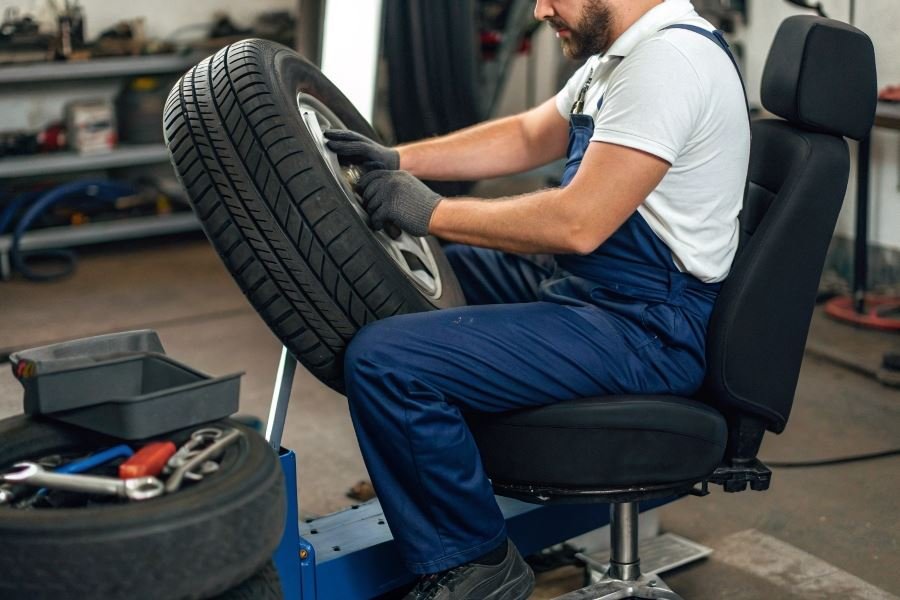
Ever watched a mechanic slide effortlessly across a garage floor, reaching tools without standing up once? That’s the magic of repair seats with integrated tool trays—perhaps the most underappreciated workshop innovation of the last century.
These specialized seats represent the perfect marriage of ergonomics and efficiency. At their core, repair seats with tool trays solve a fundamental problem: how to keep essential tools within arm’s reach while maintaining comfort during extended repair sessions. The best models feature padded, adjustable seating surfaces mounted on smooth-rolling casters, surrounded by strategically designed compartments for organizing everything from wrenches to precision screwdrivers.
The evolution of these workshop companions tells a fascinating story of practical innovation. What began in the 1940s as simple wooden stools with attached metal trays has transformed into sophisticated systems featuring reinforced polymer construction, hydraulic height adjustment, and specialized storage solutions. By the 1970s, automotive repair shops had widely adopted early commercial models, but the real revolution came in the 1990s when manufacturers began designing task-specific variations for everything from bicycle repair to fine electronics work.
Today’s premium repair seats incorporate features unimaginable to early adopters: built-in LED lighting, magnetic tool holders, and even USB charging ports for diagnostic equipment. The humble repair seat has evolved from a simple convenience to an essential productivity tool that reduces fatigue, prevents injury, and dramatically improves workflow efficiency.
Workshop Warriors: Elite Repair Seats That Organize Your Tools
When efficiency meets comfort in your workshop, magic happens. Professional mechanics and serious DIY enthusiasts understand that the right seating solution isn’t just about taking weight off your feet—it’s about keeping essential tools within arm’s reach while you work. Let’s dive into the cream of the crop when it comes to repair seats with integrated tool storage.
The market for repair seats with tool trays has evolved dramatically in recent years, with manufacturers focusing on ergonomics, durability, and smart organization. These rolling workstations have become indispensable for professionals who need to move quickly between tasks without sacrificing access to their most-used tools.
The Heavyweight Champion: Craftsman Pro Series 2000
The Craftsman Pro Series 2000 sets the gold standard with its impressive 400-pound weight capacity and aircraft-grade aluminum frame. This isn’t just a seat—it’s a mobile command center.
What makes it exceptional is the 360-degree rotating tool tray system that maintains orientation regardless of how you spin the seat.
The Pro Series features:
- Four 3-inch polyurethane casters with two locking wheels
- 16 tool holders arranged in tiered access points
- Pneumatic height adjustment from 15 to 20 inches
- Oil and chemical-resistant padded seat
The magnetic tool retention system prevents smaller items from rolling away during intense repair sessions, a thoughtful touch that demonstrates Craftsman’s understanding of real workshop conditions.
The Nimble Navigator: Snap-on Adjustable Shop Seat
Snap-on’s contribution to the repair seat category emphasizes maneuverability without compromising storage. At just 28 pounds, this model glides effortlessly across shop floors while supporting up to 350 pounds.
The tool tray configuration deserves special attention:
- Three-sided access with customizable dividers
- Five dedicated power tool holsters
- Integrated cup holder (because hydration matters)
- Recessed parts tray with magnetic insert
| Feature | Measurement | Benefit |
|---|---|---|
| Seat Height | 14-18 inches | Accommodates various work heights |
| Tray Capacity | 35 pounds | Holds complete tool sets |
| Wheel Diameter | 2.5 inches | Smooth movement over floor seams |
| Frame Material | Steel with powder coating | Resists shop chemicals |
The Ergonomic Expert: Milwaukee 49-38-6110
Milwaukee Tool approaches the repair seat challenge with a focus on long-term comfort and organization sophistication. Their 49-38-6110 model incorporates a contoured seat with lumbar support that makes a noticeable difference during extended repair sessions.
The tool organization system is particularly impressive:
- Modular tray inserts that can be customized for specific tool sets
- Weight-balanced design that prevents tipping even when fully loaded
- Shock-absorbing frame that reduces impact when rolling over uneven surfaces
- Integrated cable management for power tools
With a 300-pound capacity and five-point tool access, this model excels at keeping frequently used items in logical positions based on workflow analysis.
The Milwaukee’s standout feature is its proprietary “Quick-Flip” tray system that allows users to instantly reconfigure storage based on the job at hand—perfect for technicians who work across multiple specialties.
Each of these professional-grade options delivers exceptional value through thoughtful design, rugged construction, and intelligent tool organization. Your choice ultimately depends on whether you prioritize weight capacity, mobility, or specialized storage configurations for your particular workflow.
Making the Smart Investment: Your Guide to Repair Seats with Tool Trays
When it comes to workshop efficiency, the repair seat you choose can make or break your productivity. After exploring various models and features, it’s time to pull everything together and make an informed decision that will serve you for years to come.
Critical Selection Factors That Matter Most
Selecting the right repair seat with tool tray isn’t just about comfort—it’s about creating a mobile workstation that enhances your capabilities. Focus on these non-negotiable factors:
Weight capacity should match your body type plus tools. Professional-grade seats typically support 300-400 pounds, while economy models may only handle 250 pounds safely.
Height adjustability range determines versatility. The best seats offer 4-6 inches of adjustment to accommodate different work surfaces and user heights.
Tool storage configuration must align with your specific needs. Consider:
| Tool Storage Type | Best For | Typical Capacity |
|---|---|---|
| Circular Trays | Small hand tools | 15-20 tools |
| Drawer Systems | Organized collections | 30+ tools |
| Side Pouches | Frequently used items | 5-10 tools |
The right storage solution transforms a simple seat into a productivity powerhouse.
Extending Lifespan Through Proper Maintenance
Quality repair seats represent a significant investment—protect it with these maintenance practices:
Weekly maintenance: Wipe down surfaces with a mild cleaner and check for loose fasteners. Pay special attention to caster wheels, removing debris that can cause premature wear.
Monthly care: Lubricate moving parts with silicone spray, particularly the height adjustment mechanism and swivel points. This prevents the dreaded squeak that develops in neglected seats.
Quarterly inspection: Examine the pneumatic cylinder for leaks and test all functions under load. Replace worn casters before they damage your flooring—prevention costs less than repair.
The difference between a three-year seat and a ten-year seat isn’t just quality—it’s consistent maintenance that preserves functionality.
For vinyl seats, condition the material twice yearly to prevent cracking. For fabric options, deep clean annually using appropriate upholstery cleaners.
The True Value Proposition
When evaluating repair seats as an investment, look beyond the price tag to total value:
Productivity gains often justify premium models. Studies show properly equipped mechanics save up to 15 minutes per hour by eliminating unnecessary movement—that’s potentially $6,000+ in annual efficiency for a single technician.
Injury prevention represents substantial savings. Lower back injuries cost businesses an average of $40,000 per incident when considering medical expenses and lost productivity.
Durability metrics reveal the true cost of ownership. A $300 seat lasting three years costs $100 annually, while a $500 model lasting eight years represents just $62.50 per year—a 37.5% better value.
The most successful professionals understand that workshop equipment isn’t an expense—it’s an investment in capability. The right repair seat with tool tray becomes an extension of your skillset, enabling precision work while reducing fatigue.
By carefully weighing these factors against your specific needs, you’ll select a repair seat that delivers comfort, convenience, and capability for years to come—transforming an ordinary workshop item into an essential productivity partner.
Discover the top professional repair seats with integrated tool trays in our comprehensive guide. Compare weight capacities, mobility features, and storage solutions to find the perfect workshop companion for your maintenance projects.
Discover the top professional repair seats with integrated tool trays in our comprehensive guide. Compare weight capacities, mobility features, and storage solutions to find the perfect workshop companion for your maintenance projects.