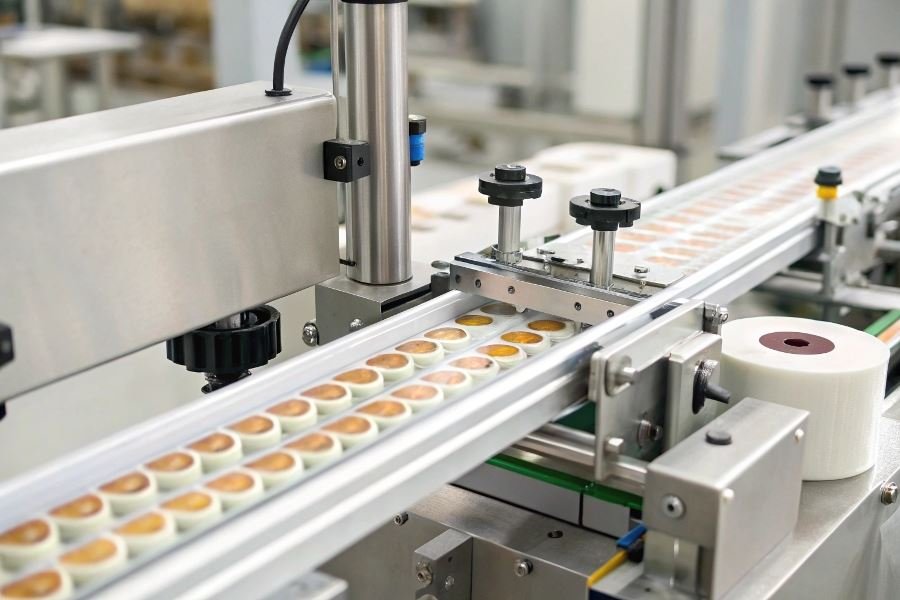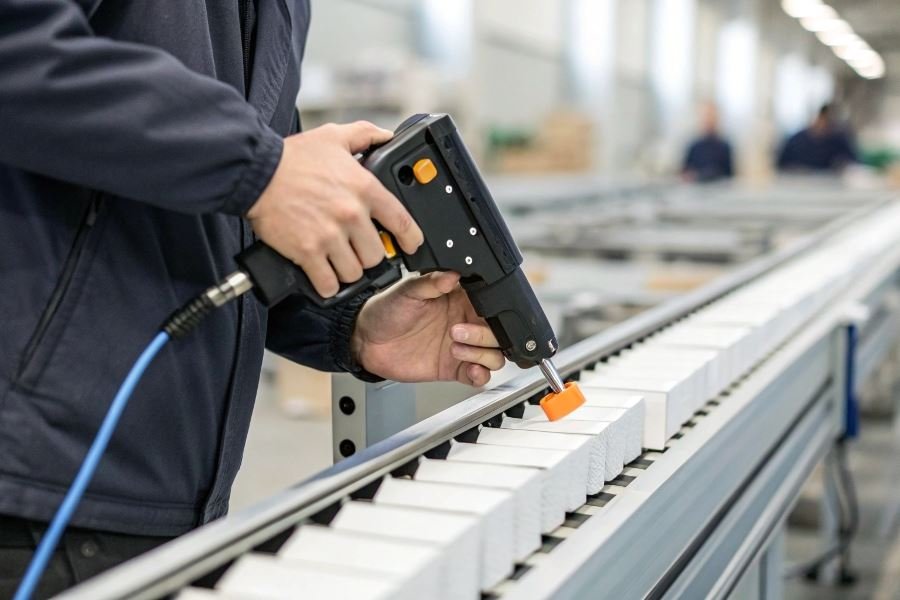
Ever watched a product move from raw materials to retail-ready in record time? Behind that seamless journey lies an unsung hero: the humble label gun. But choosing the wrong one can turn your production line into a costly nightmare faster than you can say “compliance violation.”
The right labeling system isn’t just about slapping information onto products—it’s the critical link between your operation and regulatory success. When the FDA recalled over 9,000 products in 2023, improper labeling ranked among the top three causes. Clear, accurate, and durable labels aren’t optional; they’re essential business insurance.
Today’s market offers an impressive array of labeling solutions, from basic manual price taggers to sophisticated RFID-enabled systems that integrate with inventory management software. The technology spectrum includes thermal transfer printers delivering crisp barcodes that withstand harsh environments, direct thermal options perfect for short-term applications, and inkjet systems offering vibrant color-coding capabilities.
The efficiency impact cannot be overstated. A manufacturing facility in Michigan switched from manual to automated label guns and reported a 37% reduction in labeling time and near-elimination of human error. Meanwhile, a food processor avoided $250,000 in potential fines by implementing a labeling system that ensured allergen compliance.
When selecting your labeling solution, consider three critical factors:
- Production volume and speed requirements
- Environmental conditions (temperature, moisture, chemical exposure)
- Compliance standards specific to your industry
The right label gun transforms from mere equipment into a strategic asset—one that protects your brand, streamlines operations, and ultimately preserves your bottom line.
Selecting the Perfect Label Gun for Your Production Needs
When manufacturing operations demand precision and efficiency, the right labeling equipment becomes a critical investment. Selecting appropriate criteria for choosing a label gun for different types of production environments requires careful consideration of multiple factors that directly impact your operational success. The difference between a good and great labeling system often comes down to how well it aligns with your specific production requirements.
Production Volume Drives Equipment Selection
The scale of your operation fundamentally determines the type of label gun you need. For small batch producers creating limited runs, a manual label applicator priced at $150-300 might be perfectly adequate. These handheld devices offer flexibility without significant investment.
Medium-volume operations typically benefit from semi-automatic label applicators ($1,500-5,000) that strike a balance between throughput and cost. These systems can typically handle 500-2,000 products per hour while requiring minimal operator intervention.
High-volume manufacturing environments demand fully automated labeling systems ($10,000-50,000+) capable of processing thousands of items hourly with exceptional consistency. These sophisticated systems from manufacturers like Quadrel or Weber Packaging integrate seamlessly into production lines, virtually eliminating labeling bottlenecks.
Material Compatibility Matters
Label material compatibility represents a frequently overlooked aspect of equipment selection. Different adhesives and substrates require specific application technologies:
Paper labels typically work with most applicators but may require specialized handling in high-speed environments.
Synthetic materials like vinyl or polyester often need applicators with adjustable pressure settings to ensure proper adhesion.
RFID-enabled labels demand specialized equipment capable of both applying the label and programming the embedded chip.
| Label Material | Recommended Applicator Type | Special Considerations |
|---|---|---|
| Paper | Standard pressure-sensitive | Humidity sensitivity |
| Vinyl | High-pressure applicator | Temperature adjustment |
| Polyester | Precision placement system | Static control needed |
| RFID | Integrated encoder/applicator | Verification system |
Environmental Factors Shape Equipment Requirements
The physical environment where labeling occurs dramatically impacts equipment selection. Manufacturing facilities with temperature extremes, high humidity, or chemical exposure require specially designed label guns.
For cold storage applications (below 40°F), look for systems with heated applicator heads from specialists like Videojet that prevent adhesive failure. Conversely, extremely hot environments may require specialized adhesives and application systems designed to maintain label integrity.
Chemical exposure necessitates both appropriate label materials and applicators designed to handle these specialized substrates. Food and pharmaceutical producers should prioritize Markem-Imaje or similar systems designed specifically for regulated environments.
Integration Capabilities Create Operational Harmony
Modern production demands interconnected systems. Your label gun should communicate seamlessly with:
- Inventory management software
- Production scheduling systems
- Quality control databases
- Compliance tracking platforms
Look for equipment offering standard communication protocols like Ethernet/IP, Profinet, or OPC UA to ensure compatibility with your existing infrastructure. The ability to receive real-time data from upstream processes ensures labels contain accurate, up-to-date information.
Durability and Maintenance Requirements
The total cost of ownership extends far beyond the initial purchase price. Evaluate potential label guns based on:
- Mean time between failures (MTBF)
- Availability of replacement parts
- Ease of routine maintenance
- Technical support availability
Industrial-grade labeling systems from manufacturers like Domino typically offer superior durability with MTBF ratings exceeding 10,000 hours of operation. While these systems command premium prices, their reliability often justifies the investment through reduced downtime and maintenance costs.
Remember that even the most durable equipment requires regular maintenance. Prioritize systems with tool-free access to common wear components and clear maintenance schedules to maximize operational uptime.
Mastering Label Gun Selection Across Industries
Food and beverage production demands
Food and beverage manufacturers face unique labeling challenges that directly impact consumer safety and regulatory compliance. The FDA’s Food Safety Modernization Act, implemented in 2011, transformed food labeling requirements, making accurate ingredient and allergen information non-negotiable.
For this industry, moisture resistance is paramount. Production environments often involve temperature fluctuations, condensation, and cleaning procedures that can destroy standard labels. High-quality label guns like the Brady BMP71 offer specialized materials that withstand refrigeration, freezing, and even commercial dishwashing cycles.
The difference between standard and food-grade adhesives can mean the difference between labels that stay put for years versus those that peel off after a week in cold storage.
Food producers should prioritize label guns with:
- Temperature resistance (-40°F to 300°F capability)
- FDA-compliant adhesives
- Quick-change label rolls for production line efficiency
- Variable data printing for batch codes and expiration dates
The average food recall costs manufacturers $10 million in direct costs alone. Proper labeling isn’t just good practice—it’s financial protection.
Pharmaceutical and healthcare labeling precision
Pharmaceutical labeling represents perhaps the most stringent requirements of any industry. The FDA’s Unique Device Identification (UDI) system, fully implemented in 2018, demands exceptional precision and durability from labeling systems.
Healthcare environments require label guns capable of producing:
- Microscopic barcodes (as small as 2mm)
- Chemical-resistant labels that withstand sterilization processes
- Tamper-evident materials that show visual evidence of tampering
- Variable data capabilities for lot numbers and expiration dates
The Zebra ZD620-HC healthcare printer has become an industry standard, offering antimicrobial housing and medical-grade power supplies specifically designed for healthcare environments.
Pharmaceutical companies typically require label verification systems that can detect printing errors down to 0.2mm—about the width of a human hair.
Warehouse and logistics labeling efficiency
In warehouse environments, speed and durability create the perfect labeling storm. Modern distribution centers process thousands of packages hourly, requiring industrial-strength labeling solutions.
| Label Gun Feature | Benefit in Logistics |
|---|---|
| Wireless connectivity | Real-time inventory updates |
| Drop resistance | Survives warehouse handling |
| High-capacity batteries | Full-shift operation without recharging |
| Multiple label formats | Adaptable to various package types |
The logistics industry increasingly demands label guns that integrate with Warehouse Management Systems (WMS). The Honeywell PM43 industrial printer stands out with its ability to print over 300 labels per minute while maintaining 99.9% scan rates on shipping barcodes.
Speed without accuracy is worthless in logistics labeling. Modern distribution centers require both—the ability to print quickly and ensure every barcode scans perfectly the first time.
For warehouse applications, prioritize:
- Battery life (minimum 8-hour continuous operation)
- Network connectivity (Wi-Fi, Bluetooth, Ethernet)
- Label durability (resistant to abrasion and tearing)
- Print speed (minimum 6 inches per second)
Each industry demands specialized features from labeling equipment, making the selection process critical to operational success. The right label gun isn’t just a purchase—it’s an investment in compliance, efficiency, and brand reputation.
Discover essential criteria for selecting the perfect label gun across various production environments. Learn how to match label gun features with your industry needs, production volume, and environmental factors for optimal efficiency and compliance.
Discover essential criteria for selecting the perfect label gun across various production environments. Learn how to match label gun features with your industry needs, production volume, and environmental factors for optimal efficiency and compliance.