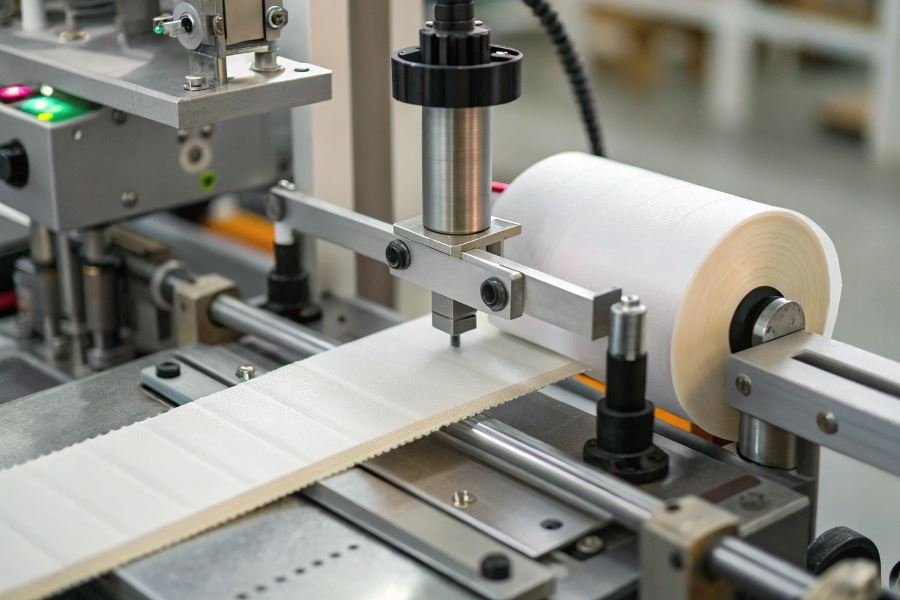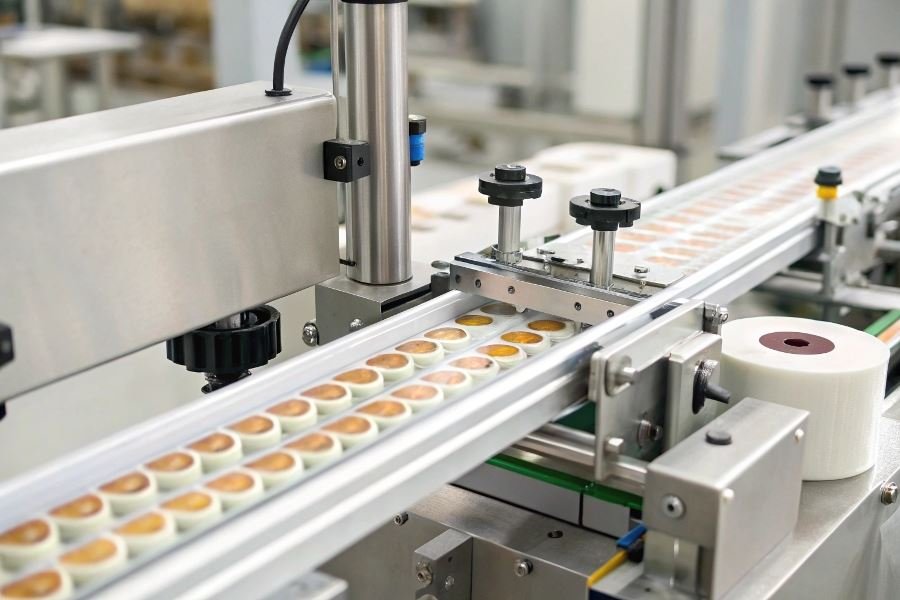
Ever watched a production line screech to a halt because of a jammed label? That 15-minute stoppage just cost thousands in lost productivity. The difference between thriving and merely surviving in today’s competitive manufacturing landscape often comes down to details most overlook—like how efficiently products get labeled.
When products move seamlessly from production to distribution, magic happens. At the heart of this efficiency miracle? The humble label applicator. These workhorses silently determine whether your operation hums along at peak performance or stumbles through costly bottlenecks.
The ripple effect of efficient labeling extends far beyond the packaging line. When labels are applied with precision and reliability, inventory management improves, shipping errors decrease, and customer satisfaction soars. A manufacturing plant in Michigan reported a stunning 37% increase in throughput after upgrading their labeling system—translating to an additional $2.3 million in annual revenue.
Measuring the impact on your bottom line
The numbers tell a compelling story:
- Downtime reduction: Advanced applicators reduce label-related stoppages by up to 85%
- Labor efficiency: Automated systems can reallocate 3-5 workers to higher-value tasks
- Error elimination: Precision application reduces relabeling needs by 92%
Every second saved in the labeling process compounds across thousands of units. This isn’t just about faster production—it’s about transforming your entire operational ecosystem. When products move fluidly through your facility, inventory turns faster, fulfillment accelerates, and capital isn’t tied up in warehouse space.
The right label applicator doesn’t just place stickers—it unlocks your operation’s hidden potential.
Labeling Technology That Transforms Productivity
Automatic vs Semi-Automatic vs Manual: The Productivity Showdown
When it comes to label application, the difference between automatic, semi-automatic, and manual systems isn’t just about price—it’s about transforming your entire production capability. Automatic label applicators can process up to 500 products per minute with precision that human hands simply cannot match. Semi-automatic systems typically handle 30-60 items per minute, requiring some operator intervention but still delivering consistent results. Manual labeling? You’re looking at 5-10 products per minute with variable accuracy that depends entirely on operator skill and fatigue levels.
The right label applicator can dramatically increase productivity with features that eliminate bottlenecks and reduce errors. Manufacturers who upgrade from manual to automatic systems frequently report productivity increases of 200-400%, with labor costs dropping by as much as 80%. These aren’t just incremental improvements—they’re transformative shifts that can redefine a production line’s capabilities.
Seamless Integration: The Production Line Puzzle
Integration capabilities represent the difference between a productivity boost and a production headache. Modern label applicators from companies like Quadrel and Weber Packaging offer plug-and-play compatibility with existing conveyor systems through standardized mechanical interfaces and communication protocols.
The most integration-friendly systems provide:
- Adjustable height and angle mounting for fitting into tight production spaces
- Variable speed synchronization that automatically matches conveyor speeds
- Industry-standard communication protocols (Ethernet/IP, Profinet, Modbus)
- HMI interfaces that speak the same language as your existing equipment
A properly integrated label applicator doesn’t just work alongside your production line—it becomes an organic part of it, responding to upstream changes and communicating with downstream equipment.
Three Technological Features That Define Elite Performance
What separates good label applicators from great ones? These three technological features consistently deliver the highest productivity gains:
1. Servo-Driven Label Dispensing
Traditional mechanical dispensing has given way to precision servo motors that control label feed with microscopic accuracy. This technology reduces waste by up to 30% while increasing application speed by 25-40%.
2. Vision Verification Systems
Integrated vision systems from providers like Cognex can inspect every label for position, content, and quality at full production speed. These systems:
- Catch errors before products leave the facility
- Automatically reject mislabeled products
- Provide real-time feedback to adjust applicator settings
3. Quick-Change Mechanisms
The productivity killer in labeling operations isn’t always the application speed—it’s the downtime between product runs.
| Feature | Traditional Systems | Quick-Change Systems | Productivity Impact |
|---|---|---|---|
| Format Changes | 30-45 minutes | 2-5 minutes | Up to 90% reduction in changeover time |
| Label Roll Changes | 5-10 minutes | Under 60 seconds | Minimizes production interruptions |
| Maintenance Access | Tools required | Tool-free design | Reduces maintenance downtime by 70% |
Magnetic quick-change parts and tool-free adjustments have revolutionized setup times, allowing manufacturers to run smaller batches without sacrificing overall productivity.
The most advanced systems combine all three features with intuitive interfaces that require minimal operator training. The result isn’t just faster labeling—it’s a fundamentally more efficient production process that scales with your business needs.
Maximizing ROI with Strategic Label Applicator Implementation
The dollars and sense of label applicator selection
When evaluating label applicators, the return on investment calculation extends far beyond the initial price tag. A comprehensive ROI analysis should account for labor savings, reduced waste, increased throughput, and error reduction. Premium systems from manufacturers like Herma or Weber Packaging might command 15, 000−30,000 upfront, but can deliver payback periods as short as 6-8 months in high-volume operations.
The hidden productivity multipliers often make the most significant impact on your bottom line. A system that reduces labeling errors from 2% to 0.2% doesn’t just save on wasted labels—it prevents costly shipping errors, customer returns, and compliance penalties that can reach thousands of dollars per incident.
The most expensive label applicator you’ll ever buy is the one that doesn’t meet your specific production requirements.
Consider this comparison of productivity impacts across different investment levels:
| Investment Level | Labor Reduction | Error Rate | Throughput Increase | Typical Payback Period |
|---|---|---|---|---|
| Entry ($5K-10K) | 30-40% | 1.5-2% | 20-40% | 10-14 months |
| Mid-range ($10K-20K) | 50-70% | 0.5-1% | 40-80% | 8-10 months |
| Premium ($20K+) | 70-90% | <0.2% | 80-200% | 6-8 months |
Implementation with minimal production disruption
The most sophisticated label applicator becomes a liability if implementation halts your production line for days. Strategic implementation requires meticulous planning and execution.
Phase your implementation rather than attempting a complete overhaul overnight. Begin with a single production line or product category, allowing your team to develop expertise before expanding. Companies like Quadrel Labeling Systems offer modular solutions specifically designed for phased implementation.
Pre-implementation testing is non-negotiable. Conduct extensive testing with your actual products and labels before installation day. This identifies potential issues with label materials, adhesives, or application surfaces that could otherwise derail your launch.
Training should begin before equipment arrives. Cross-train multiple operators and maintenance personnel to prevent productivity bottlenecks when key staff are unavailable. Most premium suppliers include comprehensive training packages, but supplemental training through organizations like PMMI can provide deeper technical understanding.
Maintenance practices that protect your productivity gains
The productivity benefits of advanced label applicators evaporate quickly without proper maintenance protocols. Establish a three-tiered maintenance program:
-
Daily operator checks – Simple 5-minute inspections of wear components, label paths, and sensor cleanliness can prevent 70% of common failures
-
Weekly preventive maintenance – Scheduled 30-minute sessions for deeper cleaning, alignment verification, and early intervention on developing issues
-
Quarterly comprehensive service – Complete system evaluation, calibration, and replacement of wear components before failure occurs
Document everything meticulously. Track maintenance activities, replacement parts, and system performance metrics to identify patterns and optimize maintenance intervals. Bartender Software and similar platforms offer maintenance tracking modules specifically for labeling systems.
Parts inventory management deserves special attention. Maintain critical spare parts on-site—particularly wear components like belts, rollers, and application pads. The $500 investment in spare parts prevents the $5,000 in lost productivity from unexpected downtime.
By approaching label applicator implementation with strategic planning, phased rollout, and disciplined maintenance, you’ll maximize both immediate productivity gains and long-term ROI. The most successful implementations treat label applicators not as mere equipment purchases but as comprehensive productivity systems that require ongoing optimization.
Discover how to significantly boost your production efficiency by selecting the optimal label applicator for your operations. Learn key technologies, integration strategies, and maintenance practices that maximize speed, accuracy, and ROI.
Discover how to significantly boost your production efficiency by selecting the optimal label applicator for your operations. Learn key technologies, integration strategies, and maintenance practices that maximize speed, accuracy, and ROI.