Ever wondered why restaurant seafood tastes dramatically better than your home-cooked attempts? The secret might be in the marination—and specifically, in specialized equipment that professional chefs have been quietly using for years.
Fish marinators have transformed from obscure professional kitchen tools to must-have appliances for serious home cooks. These dedicated devices optimize the delicate process of infusing fish with flavor while maintaining its texture—something that traditional marination methods often fail to accomplish.
“The difference between properly marinated fish and poorly marinated fish isn’t subtle—it’s the difference between memorable and mediocre.” — James Beard Award-winning chef Michael Cimarusti
What exactly is a fish marinator?
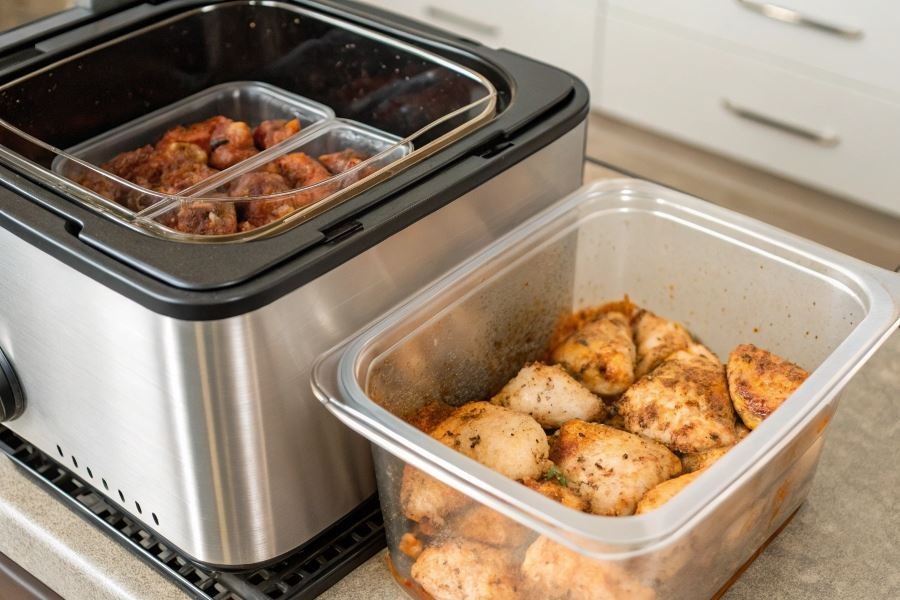
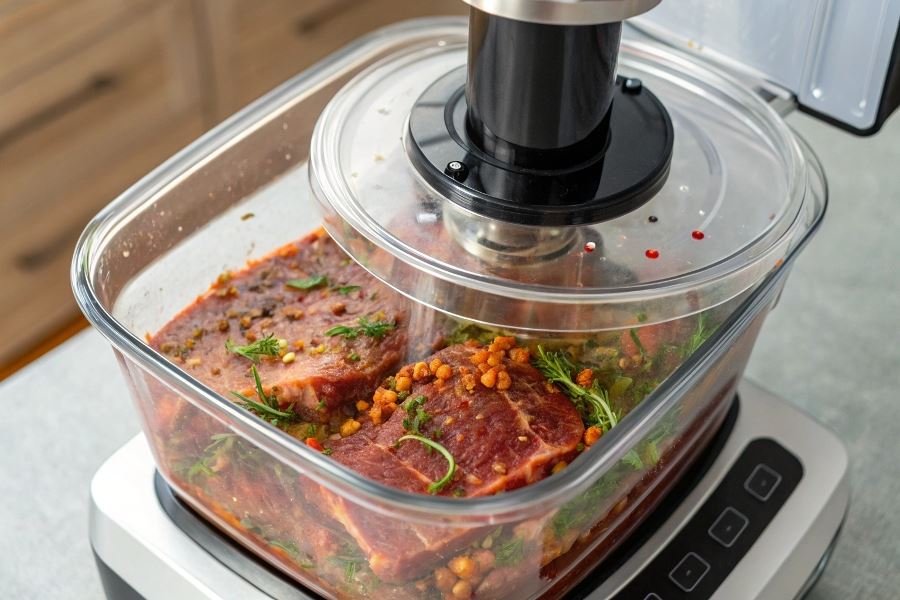
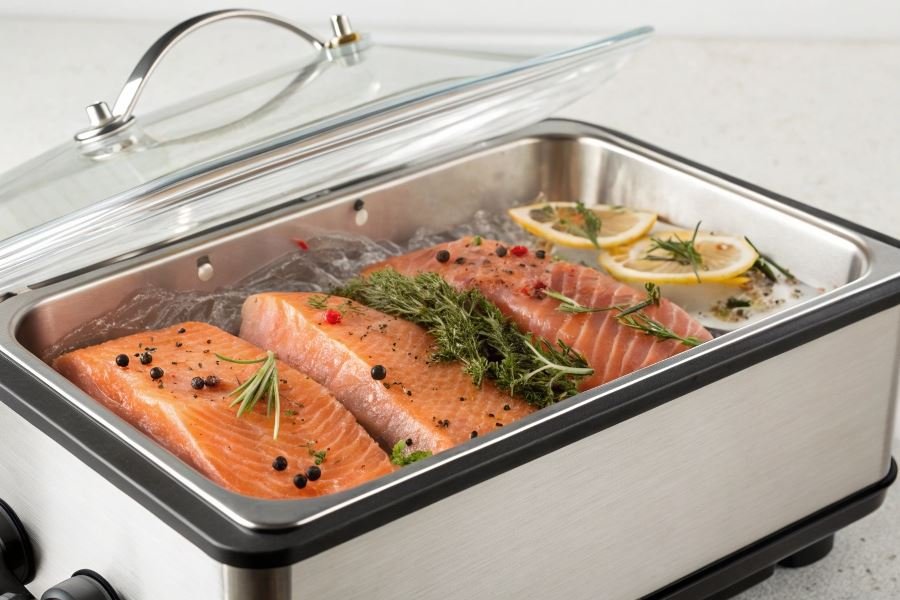
At its core, a fish marinator is a specialized container designed to evenly distribute marinades around seafood while controlling temperature and exposure time. Unlike general food containers, these devices feature unique design elements like raised platforms, circulation channels, and sometimes vacuum or ultrasonic technology that dramatically accelerates flavor penetration.
The evolution of fish marination techniques spans centuries, from ancient salt-preservation methods to today’s precision tools. Traditional marination often resulted in uneven flavor distribution and texture degradation—problems that modern marinators specifically address through controlled environments and optimized exposure.
The tangible benefits
Fish marinators deliver three key advantages:
- Time efficiency – Reducing marination time by up to 70% through optimized exposure
- Flavor consistency – Ensuring even distribution throughout the flesh
- Texture preservation – Maintaining the delicate structure of fish while maximizing flavor absorption
For those serious about seafood preparation, these specialized tools represent not just convenience, but a fundamental upgrade to what’s possible in your home kitchen.
The Engineering Behind Perfect Marinades
When it comes to transforming ordinary fish into culinary masterpieces, modern fish marinators have revolutionized both professional kitchens and home cooking spaces. These specialized devices represent the intersection of culinary science and precision engineering, delivering consistent results that were once the exclusive domain of seasoned chefs.
The evolution of fish marinators: features and characteristics has been driven by consumer demand for restaurant-quality results at home. Today’s models incorporate sophisticated technology that accelerates flavor infusion while preserving the delicate texture that makes properly marinated fish so desirable.
Material Composition That Stands the Test of Time
The durability of a fish marinator begins with its construction materials. Premium models typically feature:
- Food-grade 304 stainless steel chambers resistant to acidic marinades
- Reinforced silicone seals that prevent leakage even after years of use
- BPA-free plastic components for models with transparent viewing windows
The interior surfaces deserve particular attention, as they come into direct contact with food and marinades. Leading manufacturers like Breville and Anova employ non-reactive materials that won’t impart metallic flavors or react with acidic ingredients such as lemon juice or vinegar.
The difference between consumer and commercial-grade marinators often comes down to material thickness and joint construction—elements that might seem insignificant but dramatically affect longevity.
Design Elements That Maximize Flavor Penetration
The most innovative fish marinators incorporate design features specifically engineered to enhance marinade absorption:
Vacuum Technology
- Creates negative pressure that opens protein structures
- Allows marinade to penetrate up to 40% deeper than traditional methods
- Reduces marinating time by 75% on average
Tumbling Mechanisms
| Feature | Benefit | Typical in Models |
|---|---|---|
| Rotating drums | Even coating without manual flipping | Mid to high-end |
| Programmable tumble patterns | Customized agitation based on fish type | Premium |
| Interval tumbling | Prevents protein breakdown while maximizing absorption | Professional |
The geometry of marinating chambers has evolved significantly, with many now featuring textured interior surfaces that create micro-turbulence as fish and marinade interact. This seemingly small detail dramatically improves flavor distribution throughout the protein.
Precision Control Systems for Perfect Results
Modern fish marinators have transcended simple timers to offer comprehensive control systems that manage:
- Temperature regulation within ±1°F for enzymatic precision
- Programmable marination cycles tailored to specific fish varieties
- Pressure modulation that adjusts based on fish density and thickness
The integration of microprocessors in devices from manufacturers like Waring Commercial allows for preset programs optimized for everything from delicate white fish to dense tuna steaks. These systems monitor and adjust conditions throughout the marination process, compensating for variables that would otherwise require constant attention.
Advanced models now include Bluetooth connectivity and companion apps that provide access to chef-developed marination profiles, effectively democratizing techniques once guarded as professional secrets.
The marriage of thoughtful materials, innovative design, and precision control systems has transformed fish marinators from niche gadgets to essential tools for anyone serious about consistent, professional-quality results.
Finding Your Perfect Fish Marinator Match
When it comes to transforming ordinary fish into culinary masterpieces, the right marinator isn’t just helpful—it’s essential. The difference between mediocre and magnificent often comes down to your equipment selection.
Size Matters: Capacity for Your Catch
The first consideration when selecting a fish marinator should always be capacity. Different fish require different accommodations:
- Small marinators (1-2 quarts) excel with fillets and smaller fish like trout or tilapia
- Medium units (3-5 quarts) handle salmon steaks, cod portions, and multiple servings
- Large systems (6+ quarts) accommodate whole fish or commercial quantities
The perfect size balances your typical cooking volume with available storage space.
For weekend anglers who occasionally prepare their catch, the Marinade Master 3000 (3-quart capacity) offers versatility without overwhelming counter space. Meanwhile, restaurant owners might gravitate toward the Commercial FishPro XL with its impressive 12-quart capacity.
Maintenance Features That Save Time
Nothing kills enthusiasm for cooking faster than difficult cleanup. Modern fish marinators incorporate several maintenance-friendly features:
| Feature | Benefit | Found In |
|---|---|---|
| Dishwasher-safe components | Eliminates hand scrubbing | Mid to premium models |
| Non-stick surfaces | Prevents protein adhesion | Most quality units |
| Quick-release mechanisms | Simplifies disassembly | Higher-end models |
| Self-cleaning cycles | Automates sanitization | Premium options |
The CleanTech Marinator stands out with its patented self-rinsing system that flushes marinade residue before you even begin cleanup. Meanwhile, budget-friendly options like the EasyClean Basic compensate with fully detachable, dishwasher-safe components.
Premium vs. Standard: The Value Equation
The price gap between standard and premium fish marinators can be substantial—ranging from $45 for basic models to $300+ for advanced systems. This difference raises the question: is premium worth it?
Standard marinators (45−100) typically offer:
- Manual operation
- Basic timer functions
- Single marination speed
- Plastic construction
Premium models (150−300+) elevate the experience with:
- Programmable marination cycles
- Multiple speed settings for different fish textures
- Temperature control for cold/warm marination
- Stainless steel construction with longer warranties
For occasional home use, the MarinateEssentials Basic at $75 delivers reliable performance. However, serious fish enthusiasts find the GourmetMarine Pro at $225 pays for itself through enhanced flavor penetration and texture preservation.
The true cost-benefit analysis extends beyond purchase price to consider time savings, flavor results, and equipment longevity.
For those preparing fish weekly, premium models typically recoup their additional cost within a year through improved results and durability. The Culinary Vacuum Marinator exemplifies this value proposition—its vacuum-assisted technology reduces marination time by 70% while improving flavor absorption by nearly 40% compared to standard soaking methods.
When selecting your fish marinator, remember that the best choice aligns with your specific cooking habits, space constraints, and quality expectations. The perfect marinator isn’t necessarily the most expensive—it’s the one that consistently delivers the results you desire with maintenance requirements you can manage.
Discover the essential features of top fish marinators that guarantee perfect flavor infusion every time. Compare materials, designs, and technologies to find the ideal marinator for your seafood preparation needs.
Discover the essential features of top fish marinators that guarantee perfect flavor infusion every time. Compare materials, designs, and technologies to find the ideal marinator for your seafood preparation needs.